
Route 66, which stretches 2,448 miles from Chicago's bustling Michigan Avenue to Santa Monica's sun drenched pier, represents something rather more significant than a mere road trip. It is, in fact, the American road trip distilled to its essential elements: freedom, adventure, and the peculiar joy of discovering that the journey itself possesses more character than a well written novel and considerably more roadside diners. The Mother Road, as John Steinbeck christened it, has been luring travelers westward since 1926 with the persistence of a charming relative who insists you simply must visit.
Though officially decommissioned in 1985, Route 66 continues to thrive like a beloved old actor who refuses to retire, sustained by the devotion of small towns, nostalgic motorists, and the approximately four million people who drive some portion of it annually. This particular road trip offers something increasingly rare in our modern age: the opportunity to travel slowly through America's heartland, collecting experiences like vintage postcards and discovering that the country's true treasures often wear neon signs and serve pie that could make a grown person weep with joy.
The Route Overview: A Continental Adventure
The complete Route 66 journey spans eight states, three time zones, and what feels like several distinct eras of American cultural history. From Illinois through Missouri, Kansas, Oklahoma, Texas, New Mexico, Arizona, and finally California, this legendary route requires approximately 40 hours of actual driving time. However, suggesting one complete Route 66 in 40 hours would be like recommending one appreciate a symphony by reading the sheet music, entirely missing the point.
The ideal Route 66 road trip unfolds over two to three weeks, allowing proper time to absorb the roadside attractions, sample the regional specialties, and engage in conversations with locals who possess more colorful stories than a traveling circus. Spring and fall offer the most agreeable weather, particularly for the desert portions, though summer brings its own charms along with temperatures that could melt a pocket watch. Winter travel remains possible but requires the sort of determination typically reserved for polar expeditions.
Chicago: Where Legends Begin
The Route 66 adventure commences at the intersection of Michigan Avenue and Adams Street in downtown Chicago, marked by a bronze plaque that announces the beginning with all the ceremony of a royal proclamation. Chicago serves as an exemplary starting point, being both historically appropriate and practically convenient, with the added advantage of offering some of the finest deep dish pizza known to civilization, providing proper fortification for the journey ahead.
The Illinois portion guides travelers through Springfield, where Abraham Lincoln's presence still permeates the city like a benevolent ghost who happens to be exceptionally tall. The Abraham Lincoln Presidential Library and Museum offers compelling insights into the 16th president's life, while the Illinois State Capitol building stands as a testament to governmental architecture from a more optimistic era. For sustenance, the Cozy Dog Drive In in Springfield claims to have invented the corn dog in 1946, a contribution to American cuisine that deserves acknowledgment if not necessarily celebration.
Before departing Illinois, Pontiac presents itself as a Route 66 enthusiast's dream, featuring an impressive collection of murals depicting the road's history painted on buildings throughout the downtown area. The Pontiac Oakland Automobile Museum pays homage to the city's automotive heritage, while Casey's General Store provides the sort of regional snacks that fuel proper road trips. The drive from Chicago to the Missouri border takes approximately five hours, but those who complete it in less than two days have missed opportunities that won't present themselves again.
Missouri and Oklahoma: The Soul of the Mother Road
Missouri welcomes Route 66 travelers with the Meramec Caverns, a limestone cave system that served as both a hideout for Jesse James and a remarkably persistent advertising campaign throughout the mid 20th century. The caverns offer guided tours that reveal underground chambers as impressive as any cathedral, though considerably cooler in summer. St. Louis provides an excellent opportunity to experience the Gateway Arch, which rises 630 feet above the Mississippi River with the graceful confidence of a structure that knows it's architecturally significant.
Oklahoma embraces Route 66 with the enthusiasm of a state that understands its role in American mythology. Tulsa showcases Art Deco architecture that reflects the brief but glorious period when oil prosperity and aesthetic ambition occupied the same zip code. The Golden Driller, a 75 foot tall statue of an oil worker, overlooks the Arkansas River with the stoic determination of a monument that takes its responsibilities seriously. The Blue Whale of Catoosa, a concrete cetacean resting in a swimming pond, has been greeting visitors since 1972 with the placid contentment of a roadside attraction that has entirely accepted its delightful absurdity.
Oklahoma City offers the National Cowboy & Western Heritage Museum, which presents the American West with scholarly thoroughness and genuine respect for the subject matter. Cattlemen's Steakhouse, operating since 1910 in the historic Stockyards City, serves steaks that could convert vegetarians through sheer excellence. The restaurant's walls display enough Western memorabilia to stock a small museum, creating an atmosphere as authentic as its perfectly grilled beef.
Texas: Where Everything Really Is Bigger
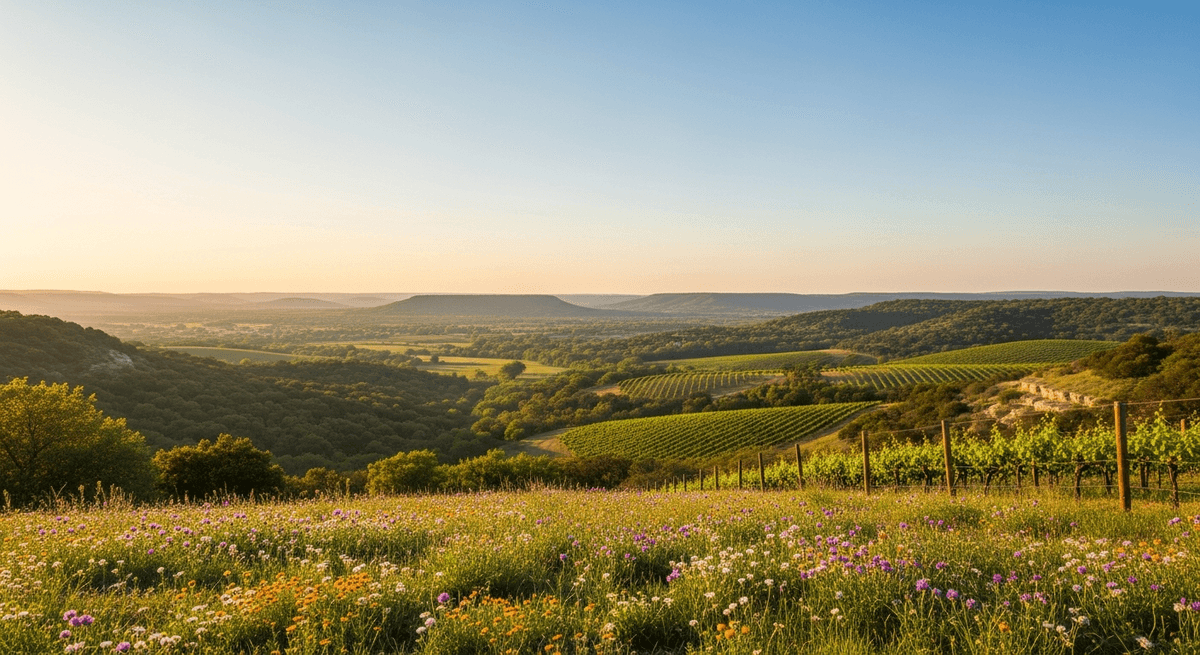
The Texas Panhandle delivers Amarillo, a city that wears its cowboy heritage like a perfectly broken in pair of boots, though travelers seeking another taste of Lone Star State beauty might consider exploring the wildflowers and wineries of Texas Hill Country on a future adventure. Amarillo's Big Texan Steak Ranch offers a 72 ounce steak dinner free to anyone who can consume it within one hour, a challenge that attracts brave souls like honey draws flies, though with considerably less success. The restaurant's neon cowboy sign towers over Interstate 40 with the confidence of an establishment that understands showmanship.
Just west of Amarillo stands the Cadillac Ranch, where ten Cadillacs rest nose first in a wheat field at precisely the same angle as the Great Pyramid of Giza. Created by the art collective Ant Farm in 1974, these automotive monuments accumulate layers of spray paint from countless visitors, creating a constantly evolving outdoor gallery that manages to be simultaneously profound and wonderfully ridiculous. Visitors are encouraged to bring their own spray paint and contribute to this collaborative masterpiece.
The Palo Duro Canyon State Park, often called the "Grand Canyon of Texas," offers hiking trails that wind through colorful rock formations carved by the Prairie Dog Town Fork of the Red River. The canyon's walls display geological layers that tell the story of millions of years with the patience of stone, while the outdoor musical "TEXAS" performs summer evenings in the canyon's natural amphitheater, combining entertainment with scenery that could make a sunset weep with envy.
Plan this route with GPSSquad
AI powered itineraries, expense splitting, and group coordination in one app.
Start Planning FreeNew Mexico: Land of Enchantment and Remarkable Light
New Mexico introduces a color palette that the preceding states have been building toward like a symphony approaching its crescendo: red rock, impossibly blue sky, and high desert light that makes everything appear simultaneously ancient and vivid. Santa Fe, requiring a 40 mile detour from the main Route 66 alignment, rewards visitors with architecture mandated by local ordinance to maintain the city's distinctive adobe character, creating visual coherence rarely achieved in American cities.
The Palace of the Governors, built in 1610, stands as the oldest continuously occupied public building in the United States, housing a museum that chronicles four centuries of regional history. The Santa Fe Plaza buzzes with activity as Native American vendors display jewelry and pottery under the portal of the Palace, continuing a tradition that predates most European settlements in North America. The Georgia O'Keeffe Museum celebrates the artist who captured New Mexico's landscape with such precision that her paintings serve as excellent preparation for experiencing the actual terrain.
Albuquerque offers Old Town, where narrow streets wind past shops selling everything from turquoise jewelry to ceremonial drums, creating an atmosphere that successfully balances tourism with authentic cultural expression. The Indian Pueblo Cultural Center provides comprehensive insights into the 19 pueblos of New Mexico, presenting Native American history and contemporary culture with the respect and complexity the subject deserves. For sustenance, Sadie's of New Mexico serves green chile that possesses enough character to qualify as a religious experience for those properly prepared to receive it.
Arizona: Where Landscape Becomes Art
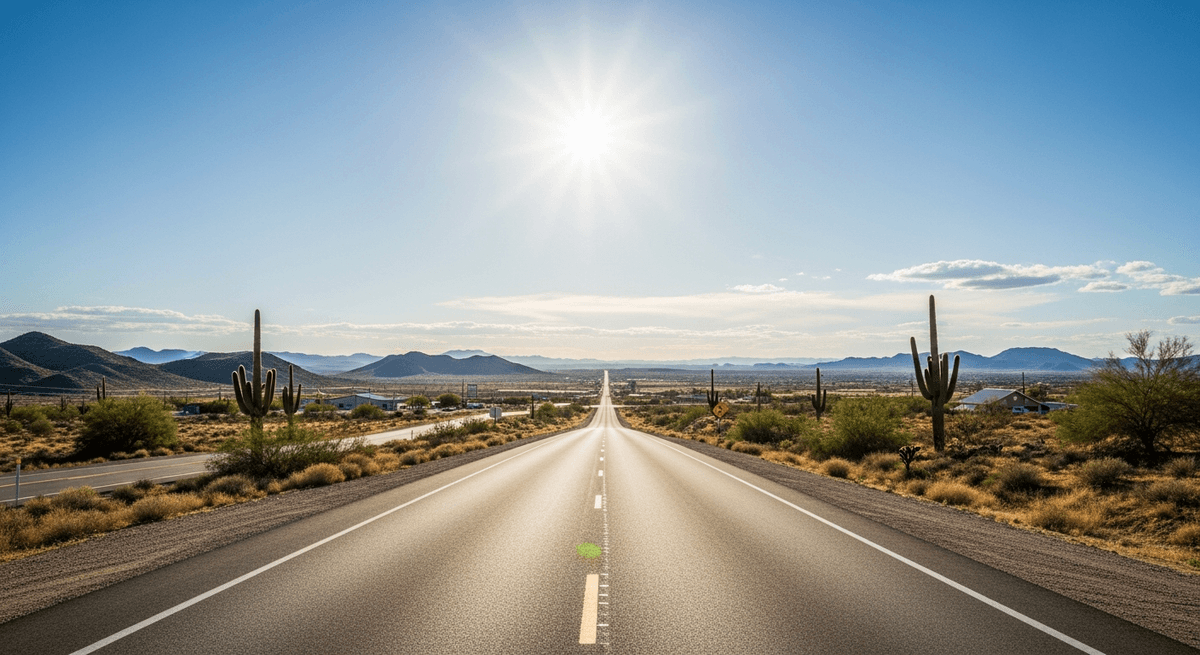
Arizona presents the Route 66 road trip's most dramatic scenery, beginning with the Petrified Forest National Park, where ancient trees transformed into multicolored crystal over 225 million years ago now lie scattered across the desert like the deconstructed remains of a forest that decided to become jewelry. The Painted Desert, occupying the park's northern section, displays layers of sedimentary rock in shades of lavender, red, ochre, and grey that create landscapes more vivid than most painters would dare attempt.
Winslow achieved unexpected immortality through the Eagles' song "Take It Easy," which mentions standing on a corner in the Arizona town. That corner now features a bronze statue of a hitchhiking man and a trompe l'oeil mural depicting a girl in a flatbed Ford, creating one of America's most photographed street corners and proving that popular music can transform ordinary intersections into pilgrimage destinations. The Old Trails Museum occupies a restored Harvey House hotel, displaying artifacts from the golden age of cross country train travel.
Flagstaff serves as a gateway to both the Grand Canyon and Lowell Observatory, where Pluto was discovered in 1930. The Historic Downtown District preserves buildings from the early 20th century, when the city served as a crucial stop for transcontinental travelers. Mother Percolator coffee house occupies a restored 1960s building and serves locally roasted coffee that could revive the spirits of the most travel weary tourists, while the Northern Pinelands offer hiking trails through the largest contiguous ponderosa pine forest in the world.
California: The Golden Finale
California's portion of Route 66 follows the Colorado River through the Mojave Desert, a landscape that appears designed by someone with a particularly dramatic imagination and unlimited access to sand. Barstow's Route 66 Mother Road Museum occupies the historic Casa del Desierto Harvey House, preserving artifacts from the road's heyday alongside displays explaining how the interstate system transformed American travel patterns with the efficiency of a historical tsunami.
The journey concludes at the Santa Monica Pier, where Route 66 meets the Pacific Ocean with the satisfying finality of a well constructed sentence reaching its period, though those seeking more of California's coastal splendor might consider the stunning drive along the Pacific Coast Highway for their next adventure. The pier's Ferris wheel, carousel, and arcade games create an atmosphere of cheerful commercialism that serves as an appropriate finale to a route that celebrates America's talent for combining business with pleasure. Standing at the pier's western edge, watching waves crash against the pilings, one can reflect on having driven the entire width of the continent on a road that technically no longer exists yet continues to provide more authentic American experiences than most officially designated scenic routes.
The Santa Monica Farmers Market, held Wednesdays and Saturdays, showcases California's agricultural abundance with produce so fresh it practically glows. The Third Street Promenade offers shopping and dining opportunities that range from the practical to the indulgent, while Venice Beach provides street performances that could entertain visitors accustomed to considerably more conventional entertainment.
Planning Your Route 66 Adventure
The optimal Route 66 experience requires two to three weeks, allowing sufficient time to explore the attractions, engage with local communities, and absorb the particular atmosphere that makes this road trip legendary rather than merely long. Spring and fall offer the most agreeable weather conditions, particularly important when traversing desert regions where summer temperatures can reach levels that would challenge a salamander's endurance, though autumn enthusiasts might also appreciate the spectacular colors along the Blue Ridge Parkway for a completely different American driving experience. Winter travel remains possible but requires careful attention to weather conditions in the mountain and desert regions.
Budget planning should account for gasoline, lodging, meals, and attraction admissions, with daily costs ranging from modest to moderate depending on accommodation preferences and dining choices. Historic motor courts and locally owned restaurants provide the most authentic experiences while typically offering better value than chain establishments. Many Route 66 attractions request small admission fees or donations, contributing to preservation efforts that maintain these cultural treasures for future travelers.
Essential packing includes comfortable driving clothes, walking shoes suitable for various terrains, sun protection for desert regions, and a camera capable of capturing both sweeping landscapes and intimate roadside details. A physical road atlas serves as valuable backup to digital navigation, while a cooler allows travelers to sample regional specialties and maintain refreshments during longer driving segments.
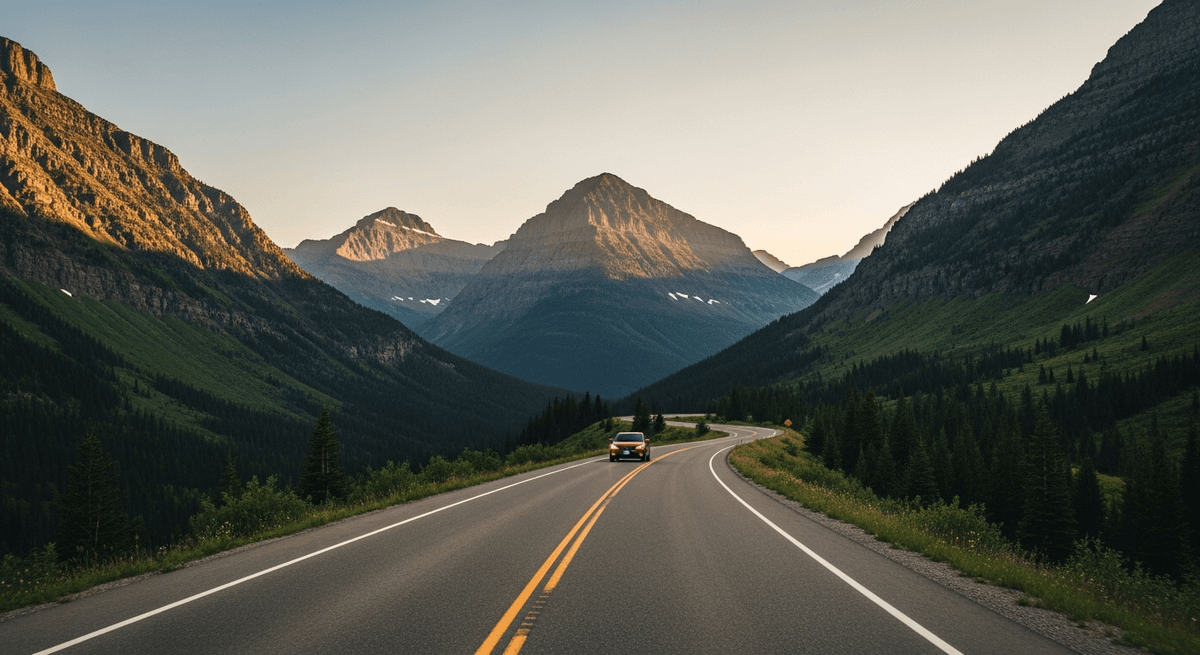
The Route 66 road trip rewards travelers who approach it with patience, curiosity, and appreciation for America's talent for creating memorable experiences from the simplest materials: asphalt, neon signs, and the enduring human desire to see what lies beyond the horizon, much like those who venture through Glacier National Park seeking wilderness adventures in America's crown jewel landscapes. This legendary route continues to inspire wanderlust like a siren song composed of engine sounds and diner coffee, proving that some roads transcend mere transportation to become destinations worthy of pilgrimage. Plan this trip on GPSSquad.