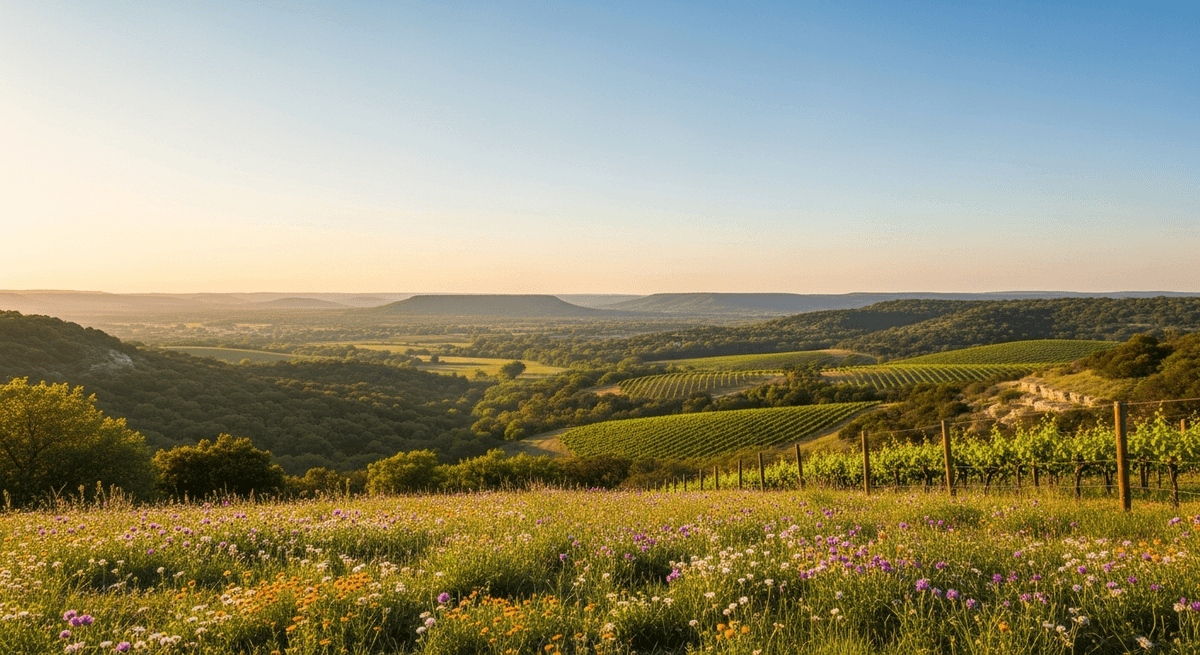

Texas is a state that one expects, having absorbed a certain amount of cultural information about it, to be largely flat. This expectation, like so many expectations about Texas, proves to be about as reliable as a chocolate teapot. The Texas Hill Country road trip exists in considerable and beautiful defiance of this assumption, unfurling west of Austin like a landscape that has been keeping its most charming secrets tucked away behind the barbecue smoke and oil derricks of popular imagination.
The territory covers roughly 25,000 square miles in the central part of the state, and contains the densest concentration of wildflowers in the United States, a wine industry that has sprouted from nothing to over 50 wineries in two decades, and limestone hills that roll across the horizon with the unhurried confidence of geological features that know they have all the time in the world. This is the road trip that begins in Austin's music scene and winds through German towns, spring fed rivers, and bluebonnet meadows that bloom each spring like nature's own victory lap.
The Route: Austin to Fredericksburg and the Hill Country Loop
The classic Texas Hill Country road trip follows a natural loop that covers approximately 200 miles and can be completed in a long weekend, though like most good things, it improves with additional time. The journey begins in Austin, heads west on Route 290 (known locally as the Wine Road) to Fredericksburg, then continues south through Kerrville and Comfort before circling back toward San Antonio or returning to Austin.
The drive from Austin to Fredericksburg covers 78 miles and takes about 90 minutes of actual driving time, though the numerous wineries, roadside markets, and scenic overlooks along Route 290 make this a journey that expands like a well told story to fill whatever time you give it. Spring, specifically the six weeks from mid March to late April when the bluebonnets bloom, represents the premium season for this trip. The wildflowers during this period transform the Hill Country into something that resembles a postcard that has decided to come to life and show off.
Summer brings hot weather but also peach season and wine harvest festivities. Fall offers comfortable temperatures and autumn colors, while winter provides the quietest roads and the most availability at bed and breakfasts, though some wildflower enthusiasts might find the landscape as barren as a banker's smile.
Austin: The Departure Point with Considerable Character
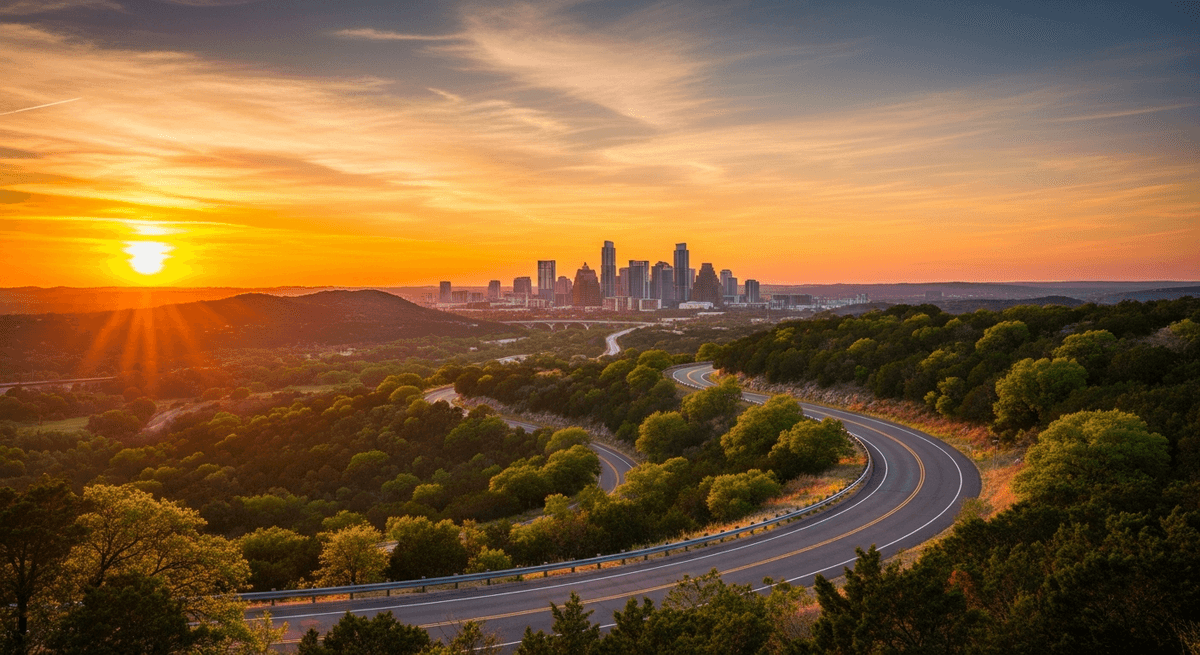
Any Texas Hill Country road trip that begins in Austin has already started promisingly. The city's music scene operates with the casual excellence of a place that has been perfecting live music since before it became fashionable, its food trucks compete with a quality that would make established restaurants nervous, and its general disposition toward enjoying itself without excessive apology makes it an excellent staging post for the adventures ahead.
Before departing, consider a morning visit to South Austin's food truck scene. Veracruz All Natural serves breakfast tacos that local residents guard like state secrets, while the line at Franklin Barbecue stretches with the patient determination of pilgrims who know they're approaching something transcendent. The breakfast taco, incidentally, may be Austin's finest contribution to human happiness, combining eggs, cheese, and various meats in flour tortillas with an efficiency that borders on genius.
The departure west on Route 290 begins through suburban Austin and transitions, somewhere around Dripping Springs, into the Hill Country proper. The landscape opens like a book whose first chapter has been building suspense, the sky expands to dimensions that seem almost presumptuous, and the rolling hills begin their gentle rise toward Fredericksburg. This stretch of road passes Duchman Family Winery, where the vineyard views compete successfully with Tuscany, and Salt Traders Coastal Cooking, a seafood restaurant that exists in the Hill Country with the cheerful absurdity of finding excellent oysters 200 miles from the nearest ocean.
Fredericksburg: The German Town That Texas Adopted
Fredericksburg was settled by German immigrants in 1846, which accounts for the Sunday houses (small in town residences for farming families attending weekend services), the fachwerk architecture that looks like it wandered over from Bavaria, the Vereins Kirche octagonal church replica, and the bratwurst that appears on menus with the frequency of a local ordinance. The town now ranks as the second most visited destination in Texas after San Antonio, a statistic that speaks to the particular magic that occurs when German efficiency meets Hill Country charm.
Main Street stretches for nearly a mile and contains approximately 150 tasting rooms, boutiques, and restaurants operating within the city limits and immediate surroundings. The tasting rooms function like a carefully orchestrated conspiracy against schedule keeping, turning planned two hour stops into overnight stays with the quiet efficiency of establishments that understand their competitive advantages. Becker Vineyards, located just east of town, produces wines that have earned respect from critics who arrived expecting novelty and found genuine quality.
The National Museum of the Pacific War occupies several blocks downtown and ranks among the finest military museums in the American Southwest. The museum exists here because Fleet Admiral Chester Nimitz was born in Fredericksburg, though visitors often express surprise at finding such comprehensive naval exhibits in the middle of landlocked Texas. The museum's exhibits trace the Pacific theater from Pearl Harbor to Tokyo Bay with the thoroughness of institutions that take their educational mission seriously.
For dining, the Auslander Restaurant serves German and American fare in portions that suggest the kitchen operates under the generous assumption that everyone just completed a cattle drive. Otto's German Bistro offers more refined German cuisine in a setting that manages to feel both authentic and comfortable, like dining in someone's exceptionally well appointed German grandmother's house.
Enchanted Rock State Park: Pink Granite and Geological Drama
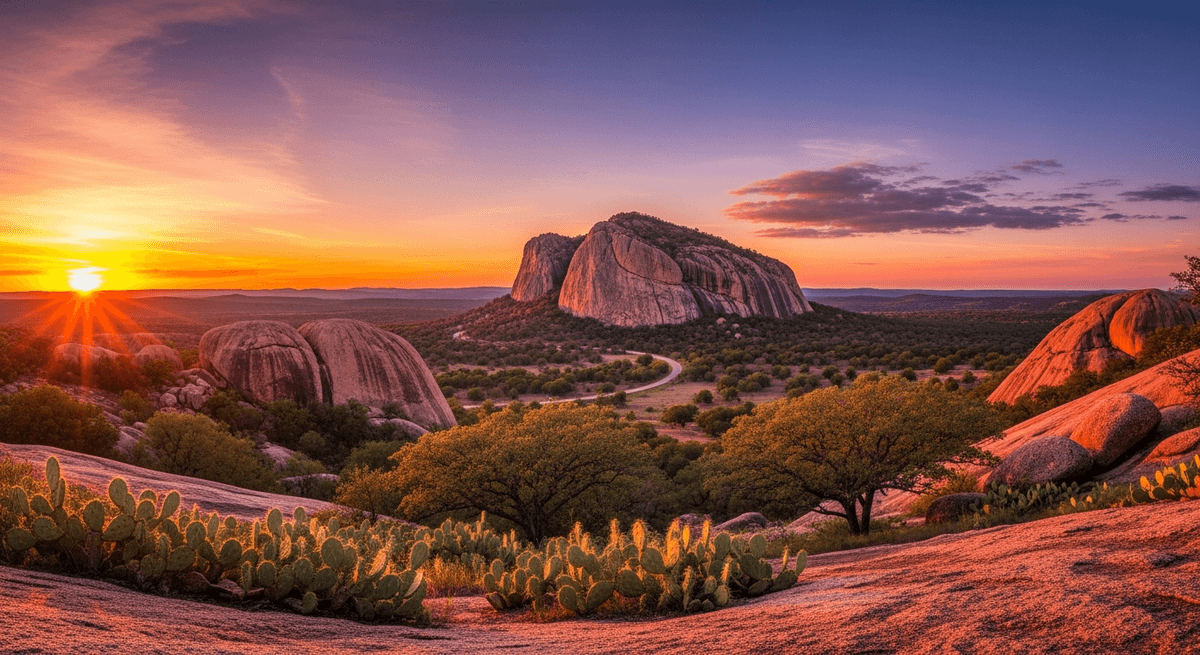
Eighteen miles north of Fredericksburg, Enchanted Rock rises from the surrounding landscape like nature's own monument to the unexpected. This pink granite dome climbs 425 feet from the prairie with the confident irrelevance of a landmark that has decided it belongs exactly where it stands, regardless of what the surrounding geography might suggest. The rock formation covers 640 acres and represents one of the largest granite outcrops in the United States, though such statistics fail to capture the peculiar satisfaction of reaching its summit.
The hike to the top follows a well marked trail that gains elevation steadily but never brutally, making it accessible to reasonably fit visitors of most ages. The summit provides 360 degree views of the Hill Country that stretch to horizons that seem to extend well beyond what Texas geography should reasonably accommodate. On clear days, which occur with encouraging frequency, the view encompasses rolling hills, cedar forests, and ranch lands that unfold like a topographical map drawn by someone with an excellent sense of composition.
The park's name derives from local legends about the rock's nighttime sounds, which early settlers attributed to supernatural causes but which modern science explains as the result of the granite expanding and contracting with temperature changes. The sounds, whether supernatural or thermal, add an element of mystery to camping under stars that shine with the unobstructed brilliance of locations far from urban light pollution.
Camping reservations fill quickly during wildflower season and fall weekends, making advance planning as essential as comfortable hiking boots. The park's primitive camping areas offer the kind of quiet that city dwellers find both restorative and slightly unsettling, punctuated only by coyote calls and the occasional mysterious rock noises that started the legends in the first place.
Plan this route with GPSSquad
AI powered itineraries, expense splitting, and group coordination in one app.
Start Planning FreeThe Wine Road: Route 290's Liquid Attractions
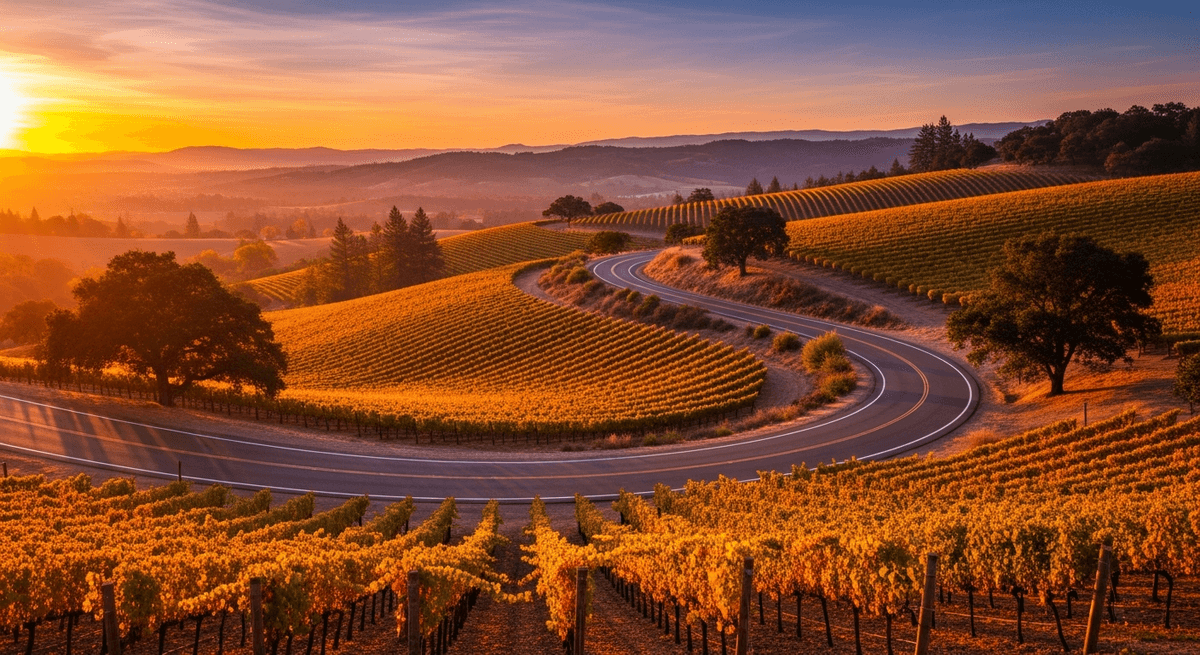
Route 290 between Austin and Fredericksburg has earned the nickname "Wine Road" through the simple expedient of accumulating wineries along its length like a string collecting pearls. The Hill Country wine industry began essentially from nothing in the 1970s and now includes over 50 wineries producing wines that have progressed from curiosity to legitimate competition for established wine regions.
Duchman Family Winery, located in Driftwood, specializes in Italian varietals and offers tastings on a terrace that overlooks vineyards rolling toward distant hills like green waves frozen in mid swell. The winery's Vermentino and Sangiovese wines demonstrate what happens when Italian grape varieties discover Texas limestone soil and decide to make themselves at home.
Pedernales Cellars operates from a restored 1890s farmhouse and focuses on wines made from Texas grown grapes, a commitment that reflects both local pride and practical recognition that Texas terroir produces distinctive results. Their tempranillo and viognier wines pair excellently with the local wildflower honey and artisanal cheeses available in their tasting room.
Becker Vineyards, the Hill Country's most established winery, occupies a stone building surrounded by vineyards that look like they were designed by someone who understood that wine making is as much about ambiance as alcohol. Their Claret and Prairie Rotie wines have earned recognition from wine publications that approached Texas wines with skepticism and left with converted palates.
Most wineries charge modest tasting fees that are waived with bottle purchases, operate on generous weekend hours, and maintain the kind of friendly atmosphere that encourages lingering on terraces while contemplating whether the next hill might hide another worthwhile vineyard.
Kerrville and the Guadalupe River
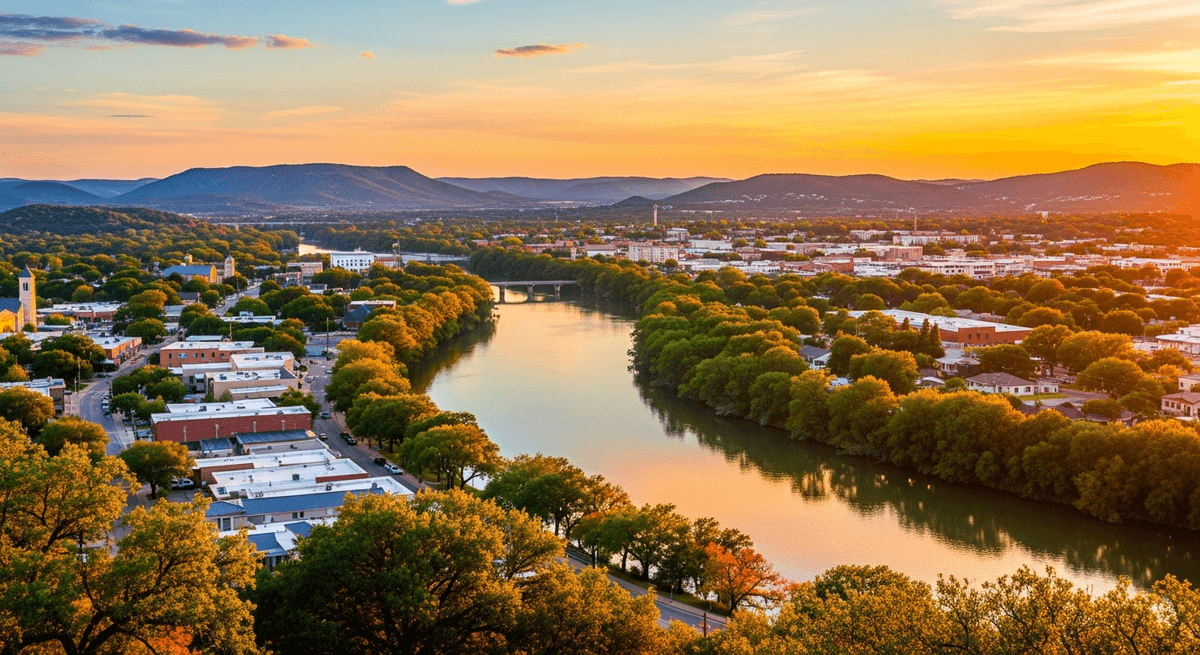
Kerrville sits along the Guadalupe River like a town that has found its natural setting and decided to settle in permanently. The river flows through the city with the crystalline clarity that makes Hill Country water famous among Texans who understand that such transparency represents something approaching luxury in a state where much of the water comes with geological seasoning.
The Kerrville Folk Festival, held each spring since 1972, transforms the riverside Quiet Valley Ranch into Texas's answer to folk music gatherings that take themselves seriously but not solemnly. The festival attracts musicians and audiences who appreciate the kind of acoustic music that sounds best under open skies, performed by artists who understand that good songs need room to breathe.
River activities in Kerrville range from gentle tubing that requires no particular skills beyond the ability to remain seated in a rubber tube, to kayaking that rewards those who possess some familiarity with paddle orientation. The Guadalupe River maintains temperatures that remain refreshing even during Texas summers, flowing over limestone beds that filter the water to drinking quality and provide the kind of swimming holes that become family traditions passed down through generations.
The city's downtown area includes the Museum of Western Art, which houses one of the finest collections of cowboy and frontier art in the Southwest, and enough antique shops to support serious browsing by visitors who appreciate the kind of vintage items that tell stories about previous owners who understood quality construction.
Practical Planning: Timing, Budget, and Essential Preparations
The Texas Hill Country rewards careful timing more than most destinations. Spring wildflower season, roughly mid March through late April, represents the premium period when bluebonnets, Indian paintbrush, and dozens of other species transform roadsides and meadows into natural gardens that photography enthusiasts travel considerable distances to capture. However, this season also brings crowds, higher accommodation prices, and the need for advance reservations that becomes as essential as sunscreen.
Summer offers different advantages: peach season in Fredericksburg, wine harvest activities, and swimming weather for Hill Country rivers. Temperatures climb into the 90s regularly, but morning and evening hours remain comfortable, and many outdoor activities remain pleasant with proper hydration and timing. Fall provides the most comfortable temperatures for hiking and outdoor activities, though wildflowers become scarce until the following spring.
Budget considerations vary significantly by season and accommodation preferences. Camping at state parks costs under $25 per night, while luxury bed and breakfasts in Fredericksburg can exceed $300 during peak wildflower weekends. Wine tasting fees typically range from $10 to $25 per person, though many wineries waive charges with purchases. Restaurant meals in the Hill Country tend toward generous portions and reasonable prices, with dinner for two ranging from $40 at casual spots to $120 at upscale establishments.
Essential packing includes comfortable walking shoes for winery visits and short hikes, layers for variable Hill Country weather, and a camera for wildflower photography that will inevitably consume more memory cards than anticipated. Sunscreen becomes mandatory during Texas summers, while a light jacket proves useful year round for evening activities. Those planning river activities should pack quick dry clothing and water shoes for rocky creek beds.
Accommodation reservations during wildflower season require the kind of advance planning typically associated with major holidays. Many bed and breakfasts book their prime spring weekends before Christmas for the following year. State park camping reservations open five months in advance and fill quickly for popular dates.
The Hill Country's charm lies partly in its unhurried pace, which means allowing extra time for unexpected discoveries, spontaneous winery stops, and roadside wildflower photography sessions that expand from brief pauses into extended admiration periods. Much like other iconic American drives including Route 66 or the Pacific Coast Highway, this journey rewards those who resist the urge to rush between destinations. For those inspired to explore more of America's scenic routes, the Blue Ridge Parkway offers another spectacular driving experience, while Glacier National Park provides mountain scenery that rivals any in the country. Plan this trip on GPSSquad to coordinate timing with wildflower blooms, map the most scenic routes between wineries, and discover the hidden gems that transform good road trips into unforgettable journeys through Texas's most beautiful secret.