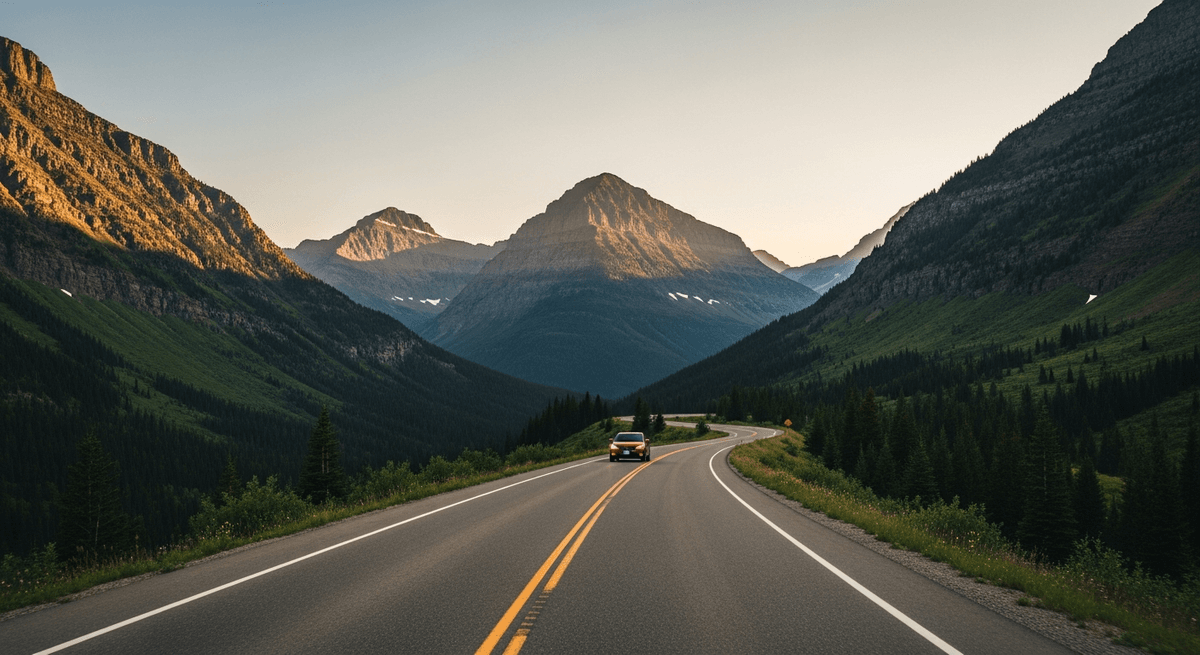

Going to-the Sun Road through Glacier National Park is, by most measures, the finest 50 miles of driving in North America and, by some more ambitious measures, the finest 50 miles of driving on Earth. This is not a claim made lightly, mind you. It is a claim that the road itself, cresting Logan Pass at 6,646 feet with mountain goats lounging on the guardrails like fashionable club members at teatime, makes entirely without assistance from promotional literature or tourist board hyperbole.
The glacier national park road trip typically centres on this magnificent stretch of engineering wizardry, though the park itself covers a million acres and rewards further exploration with the single mindedness of a destination that knows it has the material and sees no reason to rush the revelation. Like a particularly accomplished chef who serves the appetizers slowly because he knows the main course will justify the wait, Glacier unfolds its wonders with deliberate pacing that transforms impatience into anticipation.
Route Overview: The Crown Jewel of Montana
The complete glacier national park drive spans roughly 300 miles when you factor in the approaches, but the heart of the experience lies in that legendary 50 mile stretch of Going to-the Sun Road from West Glacier to St. Mary. The full journey, including essential stops and side excursions to Many Glacier, typically requires three to four days for proper appreciation, though one could spend a lifetime here and still discover new angles of light hitting ancient peaks.
The drive time for Going to-the Sun Road alone clocks in at approximately two hours without stops, which no sensible person manages. With stops at every pullout, every unnamed view of peaks and glaciers and valleys of a depth that makes the word "valley" feel woefully insufficient, the crossing takes four to six hours and feels like considerably less. The best season runs from late June through September, when the road is fully clear of snow, though the shoulder seasons of late May and early October offer their own rewards: fewer crowds and snow capped peaks that gleam like polished silver in the crisp mountain air.
West Glacier: Your Gateway to the Sublime
West Glacier exists primarily to send people further in, and it performs this function with the efficiency of a well trained valet. This is no criticism whatsoever. The town has the character of a staging ground for greatness, and the historic Belton Chalet, which has been receiving travelers since 1910, does so with the sort of historical gravitas that makes modern hotels feel like temporary structures built from playing cards.
The Apgar Visitor Center, just three miles into the park, serves as mission control for your glacier national park road trip. Here you'll secure permits, collect trail maps, and receive the sort of weather updates that can transform a pleasant drive into an epic adventure or, conversely, save you from attempting Logan Pass in conditions that would challenge a mountain goat's optimism. The Park Cafe at Apgar serves huckleberry pie that has achieved near mythical status among returning visitors, and their coffee possesses the fortifying qualities essential for early morning wildlife watching.
Vehicle reservations for Going to-the Sun Road are required from May through September and sell out faster than tickets to Wimbledon finals. Book these through recreation.gov well in advance, or prepare to embrace the park's excellent shuttle system, which offers the considerable advantage of allowing both driver and passenger to gawk simultaneously at scenery that demands full attention.
Lake McDonald: Where the Magic Begins
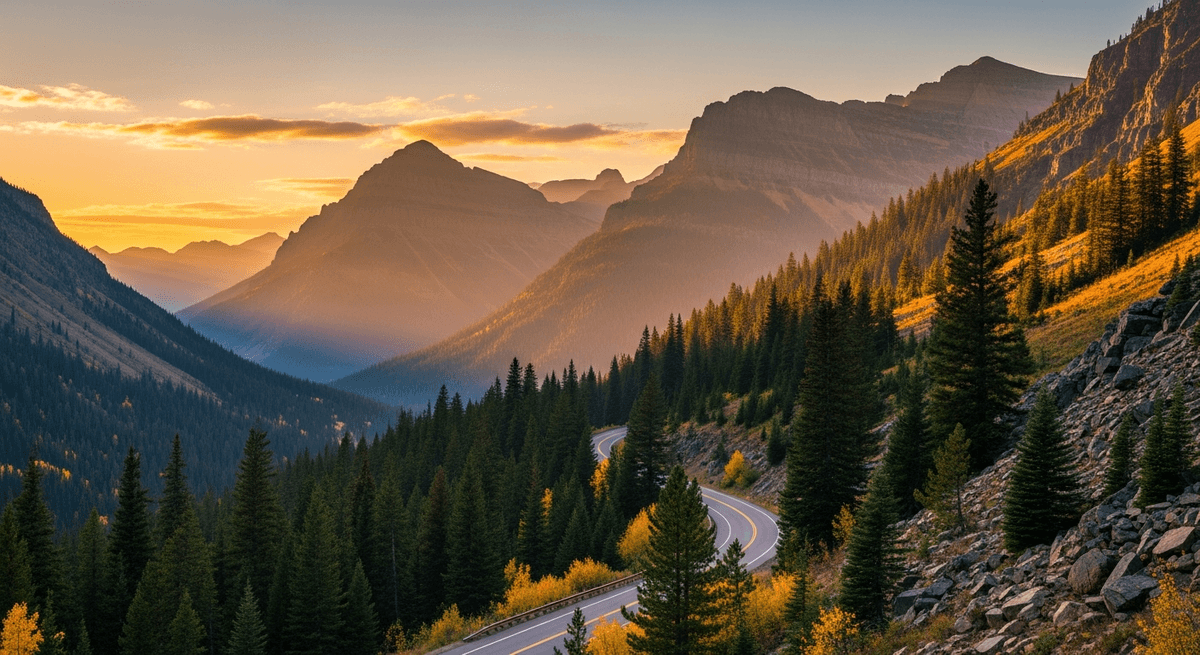
Lake McDonald stretches for 10 miles along Going to-the Sun Road like a mirror that reflects the surrounding peaks with the clarity of a philosopher's insight. The lake reaches depths of 472 feet and maintains a temperature that makes swimming an exercise in character building rather than relaxation. The historic Lake McDonald Lodge, built in 1913, offers accommodations with the sort of rustic elegance that modern resort designers spend fortunes attempting to recreate.
The Trail of the Cedars, a wheelchair accessible boardwalk that winds through old growth forest, provides an intimate introduction to the park's ecosystem without requiring the cardiovascular commitment of higher altitude adventures. Ancient cedar and hemlock trees tower overhead like the columns of a natural cathedral, their canopy filtering sunlight into patterns that shift and dance with hypnotic beauty.
For dining, the lodge's restaurant serves regional specialties including bison burgers and locally caught trout, though the real attraction is eating while gazing across the lake toward peaks that seem to rise directly from the dining room windows. The nearby village of Apgar offers more casual options, including the aforementioned huckleberry pie, which locals discuss with the reverence typically reserved for fine wines or sacred texts.
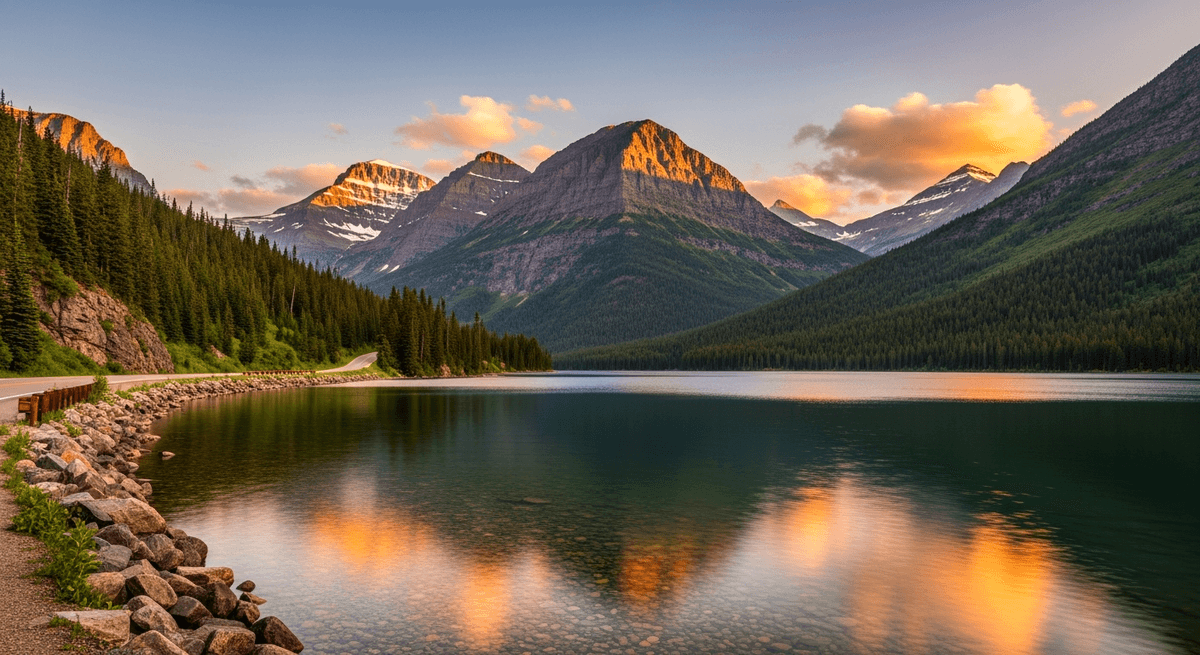
Logan Pass: The Continental Divide's Greatest Show
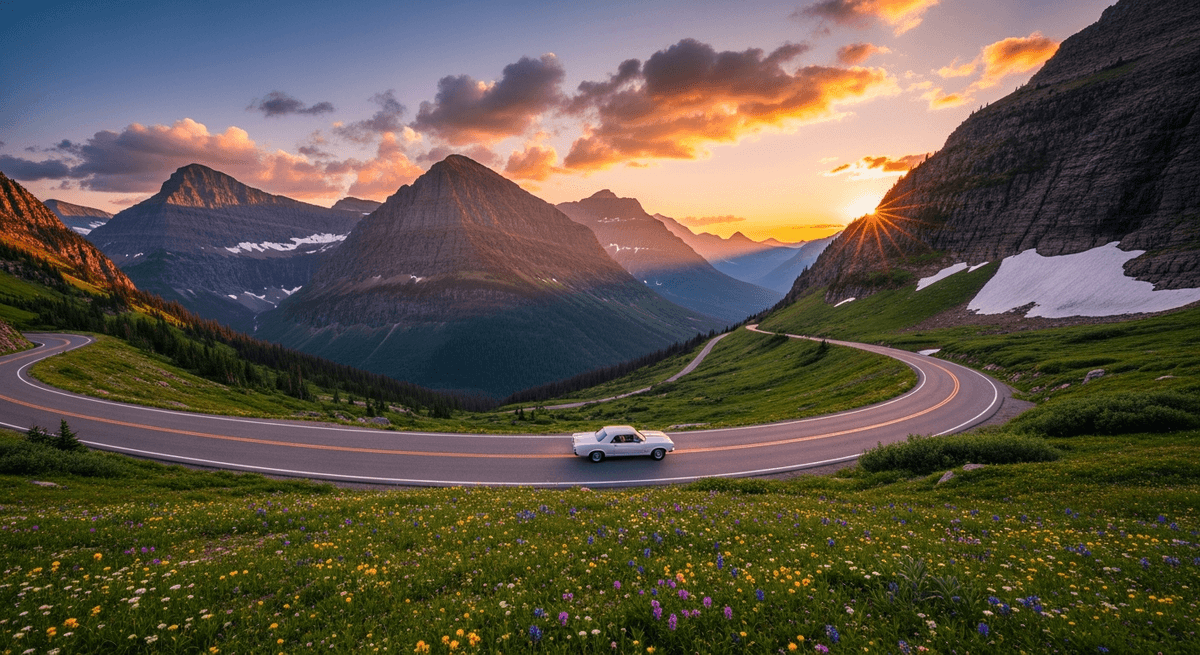
Logan Pass represents the climactic moment of any Going to-the Sun Road drive, perched at 6,646 feet on the Continental Divide with the sort of panoramic drama that makes seasoned travelers abandon their customary reserve and start pointing excitedly at distant peaks. The pass serves as a natural amphitheater where glaciers, mountain goats, and alpine meadows perform daily shows that would sell out if nature charged admission.
The Hidden Lake Overlook trail, a 2.7 mile round trip hike gaining 460 feet in elevation, leads to a viewpoint that provides what can only be described as visual evidence of the divine sense of humor. The trail crosses alpine meadows bursting with wildflowers during summer months, while mountain goats observe hikers with the detached interest of critics attending opening night at the theater.
The Logan Pass Visitor Center offers exhibits explaining the geological forces that created this landscape, though standing on the observation deck surrounded by peaks that scrape the sky provides a more visceral education than any museum display. Arrive early in the day to secure parking, as the lot fills faster than a London pub at closing time. The park's shuttle system stops here regularly and represents the more civilized approach to experiencing this particular slice of paradise.
Plan this route with GPSSquad
AI powered itineraries, expense splitting, and group coordination in one app.
Start Planning FreeSt. Mary Lake: The Eastern Revelation
The eastern descent from Logan Pass reveals St. Mary Lake with the timing of a perfectly orchestrated theatrical revelation. The lake stretches for 10 miles, its waters reflecting peaks with names like Going to-the Sun Mountain and Mahtotopa Mountain in shades of blue that seem to have been mixed by an artist working with a palette of pure cerulean and liquid sapphire.
St. Mary Falls and Virginia Falls, accessible via a moderate 2.4 mile round trip hike, cascade down rocky faces with the enthusiasm of water that has traveled from glacial heights and discovered the joy of gravity. The trail winds through forests that transition from alpine species to the grasslands of the Great Plains, offering a botanical education in vertical zonation that textbooks struggle to convey with mere words.
The historic St. Mary Lodge provides dining with views that make conversation optional, as guests find themselves rendered temporarily mute by scenery that exceeds the capacity of casual commentary. Their wild game meatloaf has achieved legendary status among park veterans, though frankly, anything tastes exceptional when consumed while gazing at mountains that seem to extend infinitely in all directions.
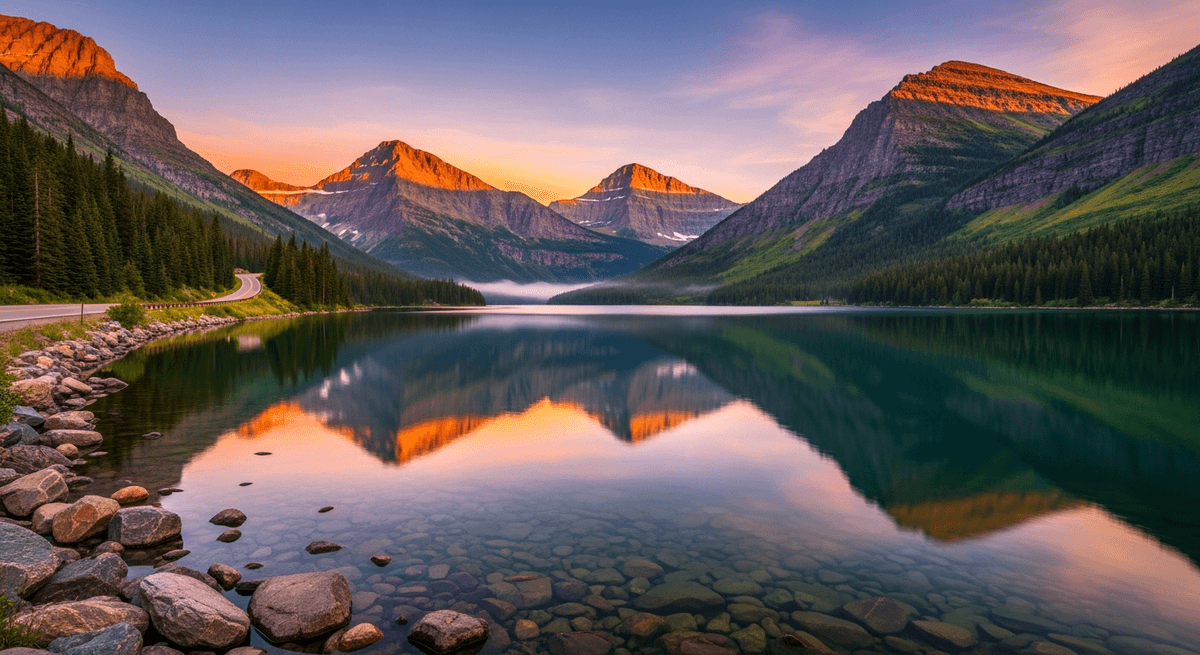
Many Glacier: Switzerland's American Cousin
The Many Glacier area, accessed via a separate road in the park's northeast corner, contains what enthusiastic park literature calls "the Switzerland of North America." This comparison does Switzerland no particular disservice while simultaneously failing to capture the unique character of valleys that contain five lakes cradled in a bowl of peaks like precious stones displayed in nature's finest jewelry box.
The historic Many Glacier Hotel, built in 1915 on the shores of Swiftcurrent Lake, offers the sort of grand lodge experience that makes modern hotels seem like temporary structures assembled from oversized building blocks. The lobby's massive stone fireplace and rustic timber construction create an atmosphere of permanent solidity that modern architecture rarely achieves.
Iceberg Lake, reached via a 9.7 mile round trip hike, rewards the effort with a destination that maintains floating icebergs well into summer months. The trail passes through meadows where grizzly bears graze with the casual confidence of diners at their favorite restaurant, making bear spray and constant awareness essential accessories. The lake itself sits in a cirque surrounded by sheer walls that rise nearly 3,000 feet, creating an amphitheater of stone that makes human visitors feel appropriately humble.
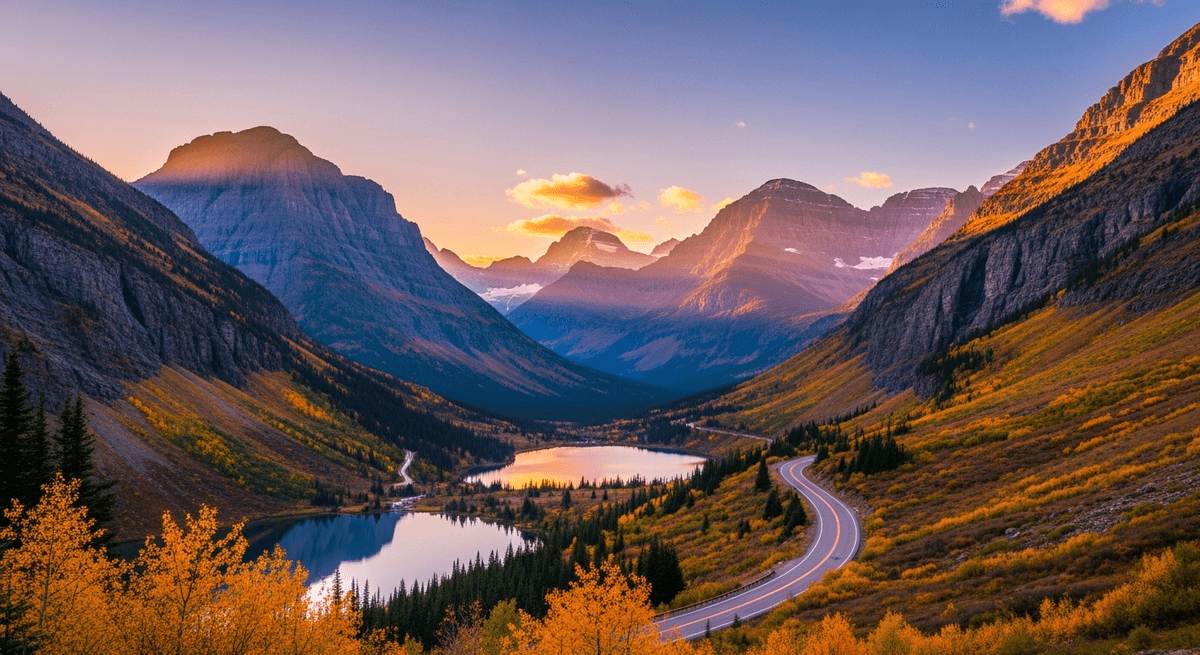
Practical Planning: Orchestrating Your Alpine Adventure
The optimal timing for a glacier national park road trip runs from late June through September, when Going to-the Sun Road is fully accessible and alpine wildflowers perform their annual spectacular. However, the shoulder seasons offer their own considerable charms: late May and early October provide fewer crowds and dramatic snow coverage on the peaks, though weather conditions can change faster than a British conversation topic.
Budget considerations vary dramatically depending on accommodation choices and dining preferences. Camping in park campgrounds costs around $23 per night, though reservations disappear faster than free samples at a grocery store. Historic lodges range from $200 to $400 per night during peak season, while vacation rentals in gateway communities offer middle ground alternatives. Plan approximately $150 to $200 per day for two people, including lodging, meals, and park fees, though costs can escalate quickly if you develop an addiction to huckleberry products.
Packing requirements include layers for temperatures that can swing 40 degrees between morning and afternoon, waterproof clothing for afternoon thunderstorms that arrive with the punctuality of Swiss trains, and sturdy hiking boots for trails that can transition from gentle strolls to serious alpine adventures within a few hundred yards. Bear spray is essential for any hiking, while binoculars transform distant wildlife spotting from frustrating glimpses into detailed observations. A camera with extra batteries and memory cards is practically mandatory, as the urge to photograph everything becomes overwhelming approximately 10 minutes into the park.
The glacier national park drive rewards advance planning more than most destinations. Vehicle reservations for Going to-the Sun Road sell out weeks in advance during summer months, camping reservations require booking months ahead, and popular hiking trails can feel crowded despite the park's million acre expanse. However, the effort invested in planning pays dividends in experiences that transform casual tourists into lifetime advocates for wilderness preservation, much like travelers who discover Utah National Parks or the scenic wonders of the Blue Ridge Parkway. For those seeking equally spectacular mountain scenery, the nearby Icefields Parkway in Canada offers similar alpine grandeur. Even the legendary Route 66 pales in comparison to the raw wilderness majesty found here. Plan this trip on GPSSquad.