
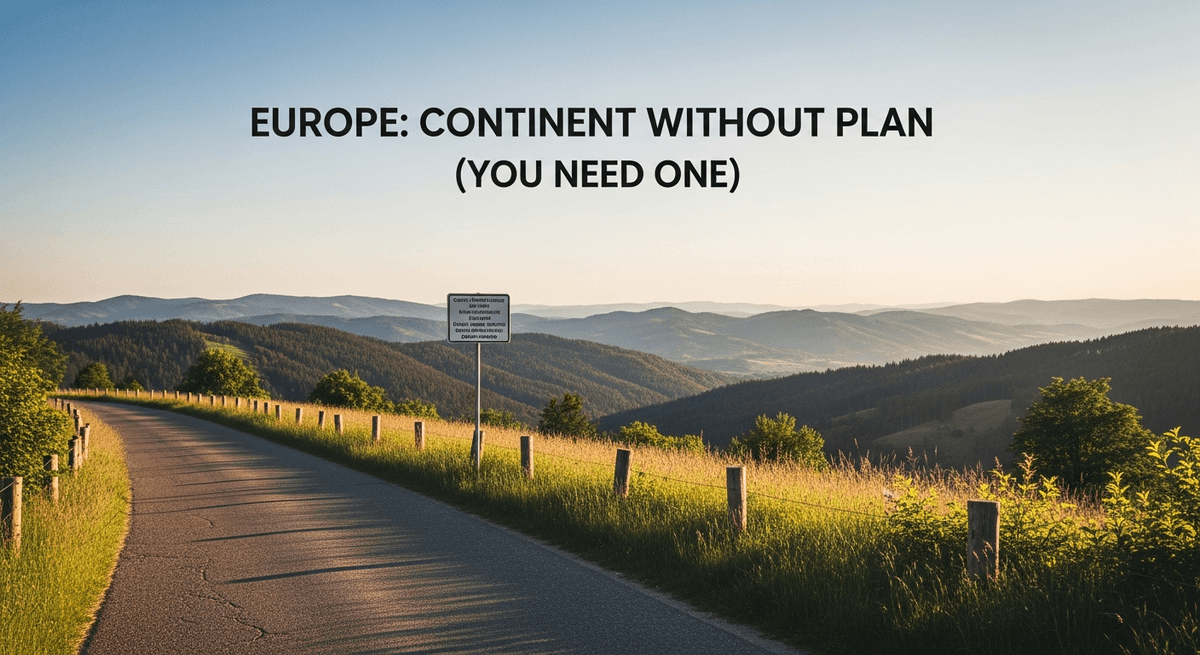

Europe, considered as a road trip destination, presents the traveller with an embarrassment of riches so complete that it produces, in the unprepared, a decision paralysis that rivals a man standing before a chocolate shop window with a pound note in his pocket and precisely fourteen minutes before his train departs. The continent offers everything from Norwegian fjords that make grown men weep to Italian coastal roads that make the same men forget they ever owned a train timetable. The challenge, as any seasoned traveller will attest, is not finding magnificent routes through Europe, but rather summoning the fortitude to choose among them without spending one's entire holiday researching the ones left behind.
The sensible approach, we have discovered through extensive consultation with both maps and people who know where they are going, is the grand southern circuit: a three week odyssey from the Swiss Alps through the French Riviera, down Italy's boot, and across to Spain's sun soaked coastline. This route combines alpine majesty with Mediterranean charm in proportions that would make a Swiss chocolatier proud, delivering mountain passes that test both nerve and transmission alongside coastal stretches where the primary hazard is stopping too frequently to photograph the view.
The Route Overview
The southern circuit covers approximately 3,200 kilometers over three weeks, beginning in Geneva and threading through France, Italy, and Spain like a well planned dinner party conversation. The optimal driving window runs from May through September, when alpine passes are reliably open and Mediterranean weather cooperates with convertible roof enthusiasm. Total driving time hovers around 40 hours, distributed across days when the scenery demands frequent stops and the local wine makes afternoon driving inadvisable.
The route flows from Geneva through the Mont Blanc tunnel into Italy, follows the Italian Riviera to Rome, detours through the Amalfi Coast's cliff hanging dramatics, then crosses to Spain via the French Pyrenees. Each segment offers distinct pleasures: Switzerland provides precision and altitude, Italy delivers art and chaos in equal measure, France contributes sophistication and cheese, while Spain supplies sunshine and a relaxed approach to scheduling that transforms punctuality from obligation to mere suggestion.
Geneva: The Civilized Beginning
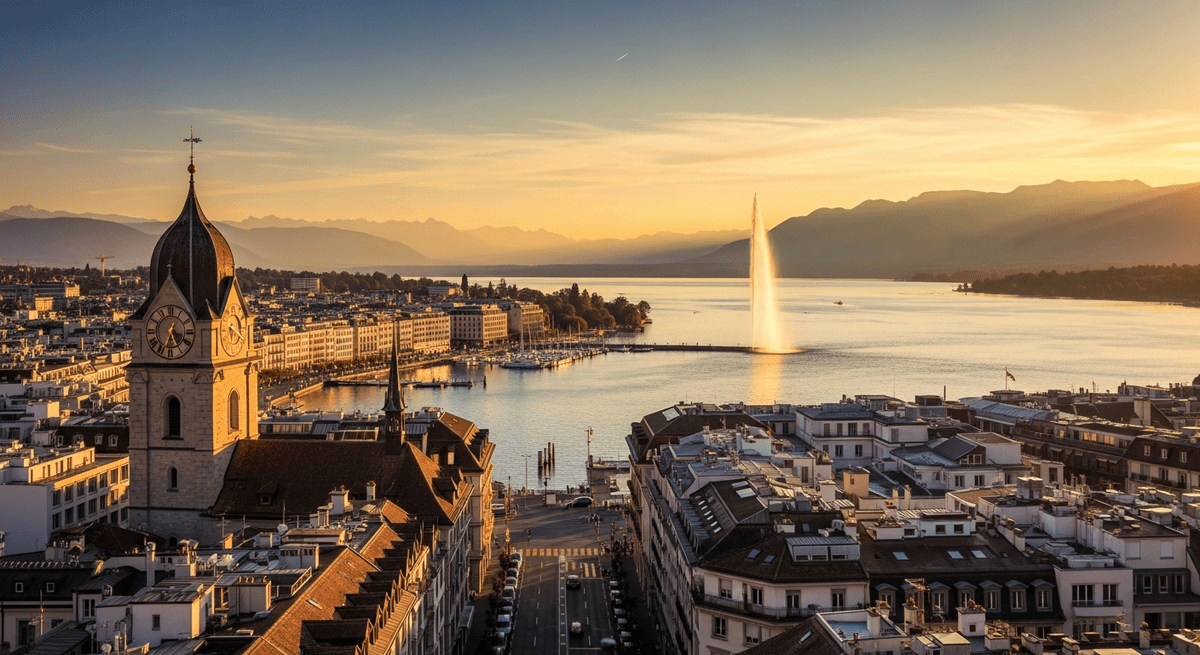
Geneva serves as base camp for this expedition, offering the sort of organizational calm that makes launching a three week road trip feel less like preparing for the siege of Troy and more like planning a particularly elaborate picnic. The city provides rental car facilities that operate with Swiss efficiency, meaning forms are completed, vehicles inspected, and international driving permits verified with the thoroughness of a Swiss timepiece assembly. Lake Geneva stretches before the departing traveller like a vast blue comma in Europe's punctuation, while the Alps rise beyond with the sort of confidence that comes from millions of years of geological experience.
Before departing, stock up at Globus or Manor for Swiss provisions: cheese that improves rather than deteriorates during travel, chocolate that serves as both snack and currency throughout Europe, and Swiss army knives that prove useful for everything except the Swiss army. The drive from Geneva toward the Mont Blanc tunnel takes roughly an hour through countryside that looks precisely as Swiss countryside should: neat, prosperous, and populated by cows whose bells create a symphony that makes cowbell jokes seem criminally inadequate.
The Mont Blanc Tunnel and Italian Entry
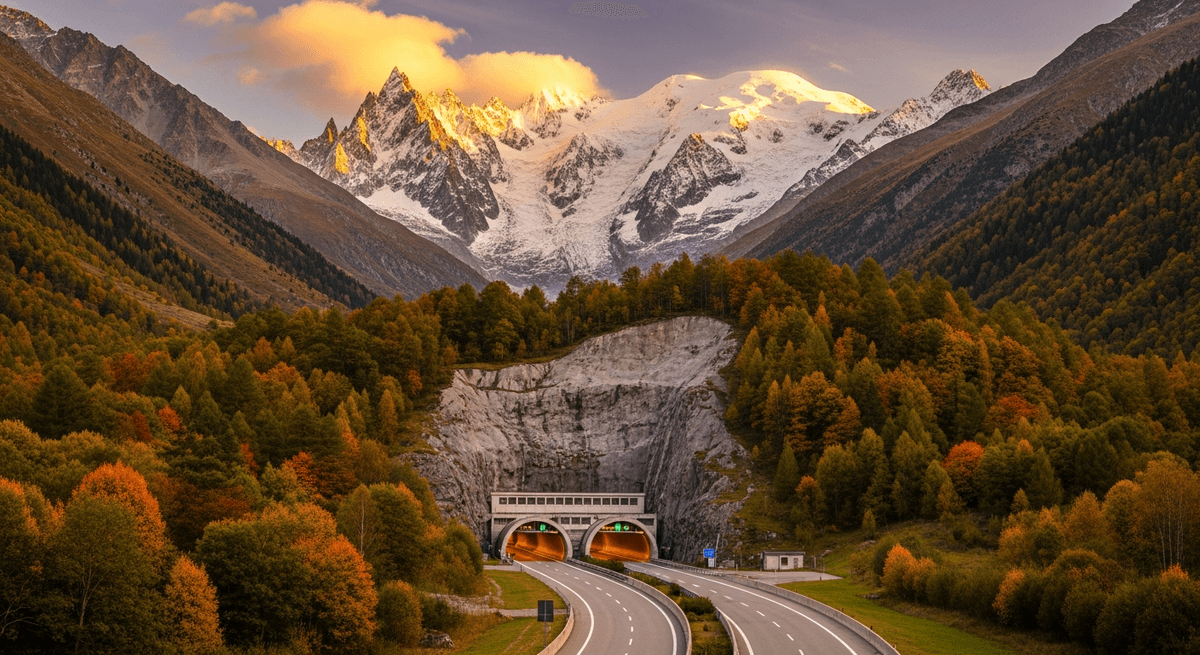
The Mont Blanc tunnel, connecting Chamonix to Courmayeur, delivers the traveller from Swiss precision into Italian exuberance via an 11.6 kilometer underground passage that feels like being swallowed by a very organized mountain. The tunnel crossing costs approximately 47 euros for standard vehicles, a price that seems entirely reasonable when one considers the alternative involves learning mountaineering. Emerging on the Italian side produces the sort of sensory adjustment that comes from switching from a chamber music recital to a street festival: suddenly everything is louder, more colorful, and accompanied by gestures.
Turin awaits an hour beyond the tunnel, offering the first proper Italian meal of the journey at restaurants where the pasta exists in varieties that make alphabets seem limited. The city center provides excellent walking after hours of sitting, with piazzas designed for the sort of aimless wandering that Italians have elevated to an art form. Accommodation ranges from business hotels with the charm of filing cabinets to boutique establishments where the proprietor treats each guest like a long lost nephew returning from successful adventures.
The Italian Riviera and Cinque Terre
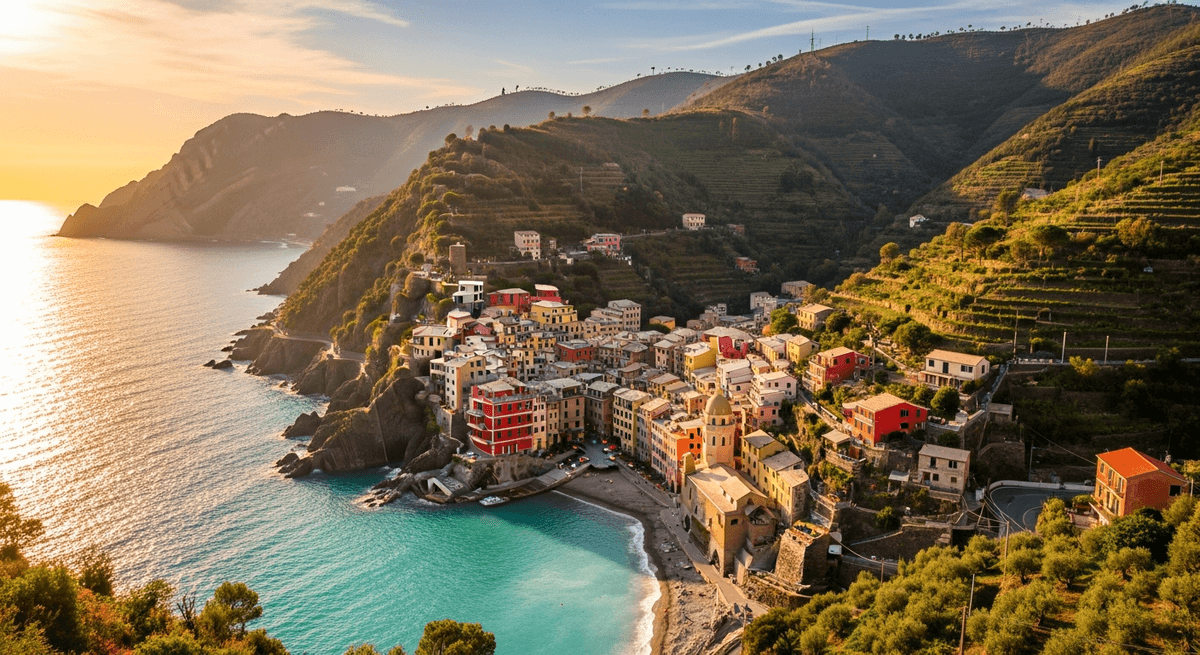
The drive from Turin to the Italian Riviera follows autostradas that slice through Apennine foothills with the determination of Romans building roads for eternity. Cinque Terre emerges along the coast like a collection of pastel postcards that someone has carelessly scattered across cliff faces, each village clinging to rocky outcrops with the tenacity of particularly stubborn barnacles. The coastal road between the five villages tests both driving skills and suspension systems, winding through terrain that makes mountain goats request alternative routes.
Monterosso al Mare provides the most accessible parking and the finest beaches for those who prefer swimming to hiking vertical trails between villages. Local restaurants serve focaccia col formaggio that melts like dreams of carbohydrate heaven, while the local white wine, Cinque Terre DOC, complements seafood with the precision of a conductor leading a well rehearsed orchestra. Evening arrives with the sort of Mediterranean light that makes photographers weep and everyone else reach for their cameras with the futility of capturing lightning in bottles.
Plan this route with GPSSquad
AI powered itineraries, expense splitting, and group coordination in one app.
Start Planning FreeRome: The Eternal Traffic Jam
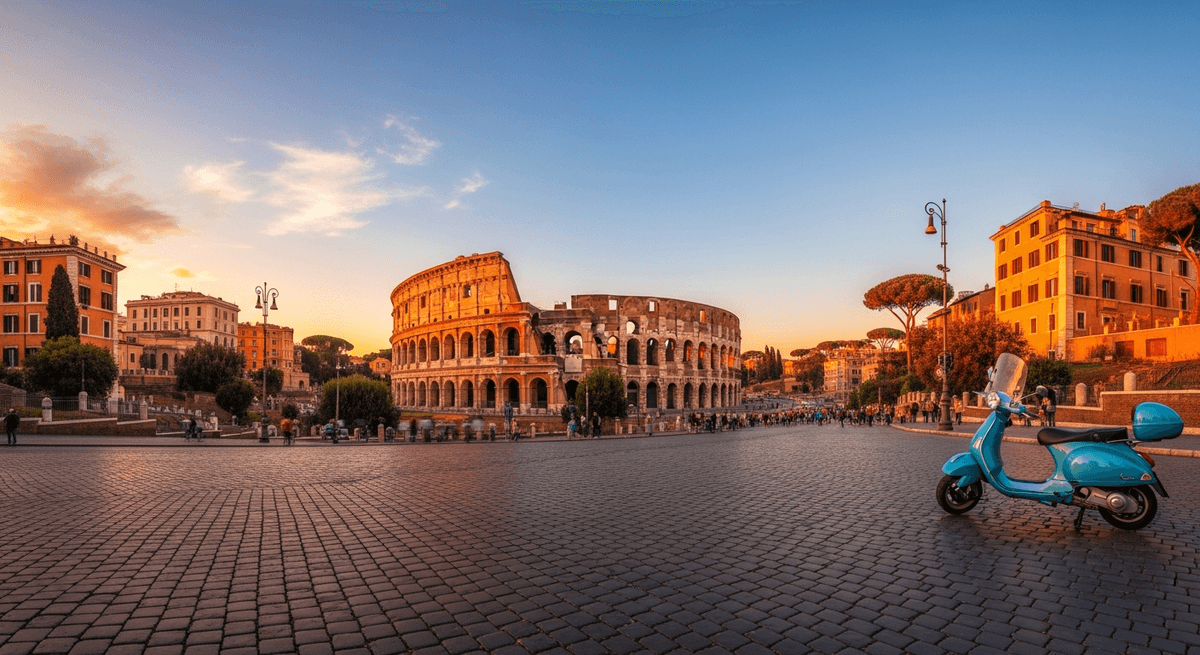
Rome presents the European road tripper with a choice: attempt driving through the eternal city or park on the outskirts and surrender to public transportation like a civilized human being. The wise traveller chooses the latter, leaving vehicles in supervised car parks near metro stations and entering the city center via trains that arrive with the regularity of Roman engineering at its finest. The city rewards this decision by revealing itself properly: ancient ruins scattered among modern streets like archaeological punctuation marks in an ongoing conversation between centuries.
Three days in Rome provides sufficient time for the Vatican, the Colosseum, and the sort of extended meals that make Italian lunch seem like a competitive sport requiring both endurance and enthusiasm. Restaurants near the Pantheon serve carbonara that makes previous encounters with the dish seem like rough drafts, while gelaterias throughout Trastevere offer flavors that expand the definition of both ice cream and happiness. Evening strolls through illuminated streets transform the city into an outdoor museum where admission is free and the exhibits include everything human civilization has managed to accomplish.
The Amalfi Coast: Scenic Cardiac Exercise
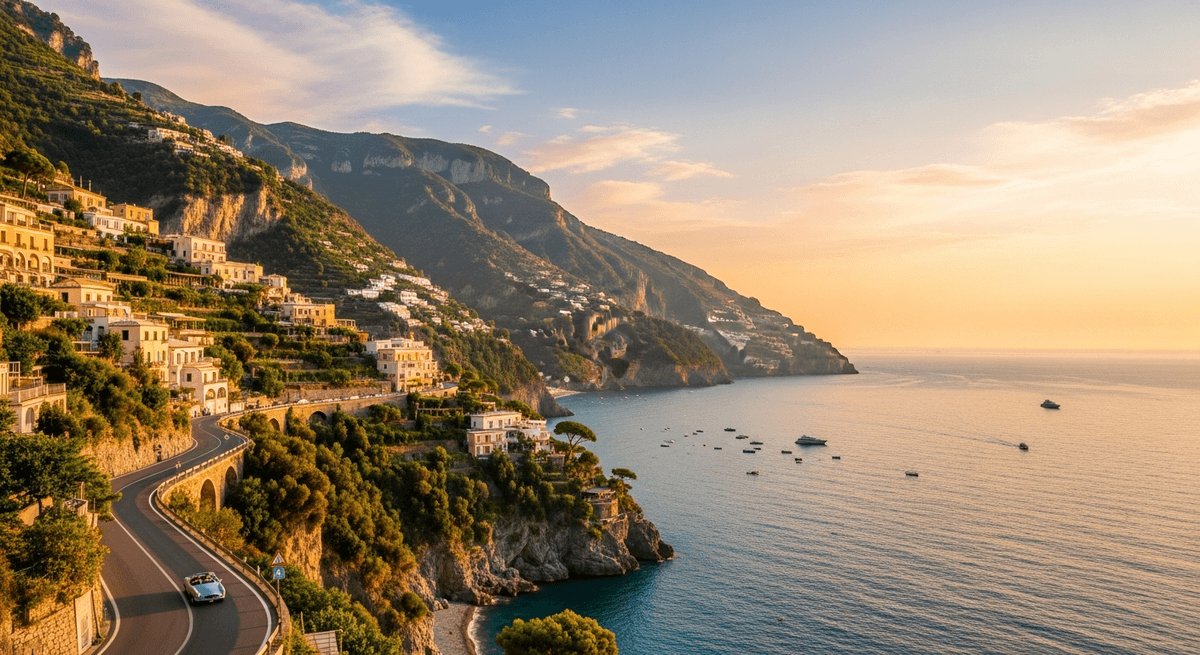
The drive from Rome to the Amalfi Coast covers 280 kilometers through Italian countryside that gradually transitions from rural tranquility to coastal drama, culminating in the SS163 Amalfitana, a road that clings to cliff faces like a particularly daring piece of jewelry wrapped around the throat of southern Italy. This 50 kilometer stretch between Sorrento and Salerno delivers scenery so spectacular that it seems designed by committee of Renaissance painters working with unlimited budgets and supernatural artistic ability.
Positano cascades down the hillside in layers of pastel buildings that appear to be engaged in a colorful avalanche proceeding at geological speed. Restaurants carved into cliff faces serve lemon risotto and seafood while diners contemplate views that make the word "dramatic" seem inadequate for descriptive purposes. The driving requires complete attention: the road accommodates two vehicles in sections where two vehicles constitute an optimistic assessment of available space. Local drivers navigate these conditions with the nonchalance of people who learned to drive on roller coasters, while visitors clutch steering wheels with grips that leave permanent impressions.
Southern France and Spanish Transition
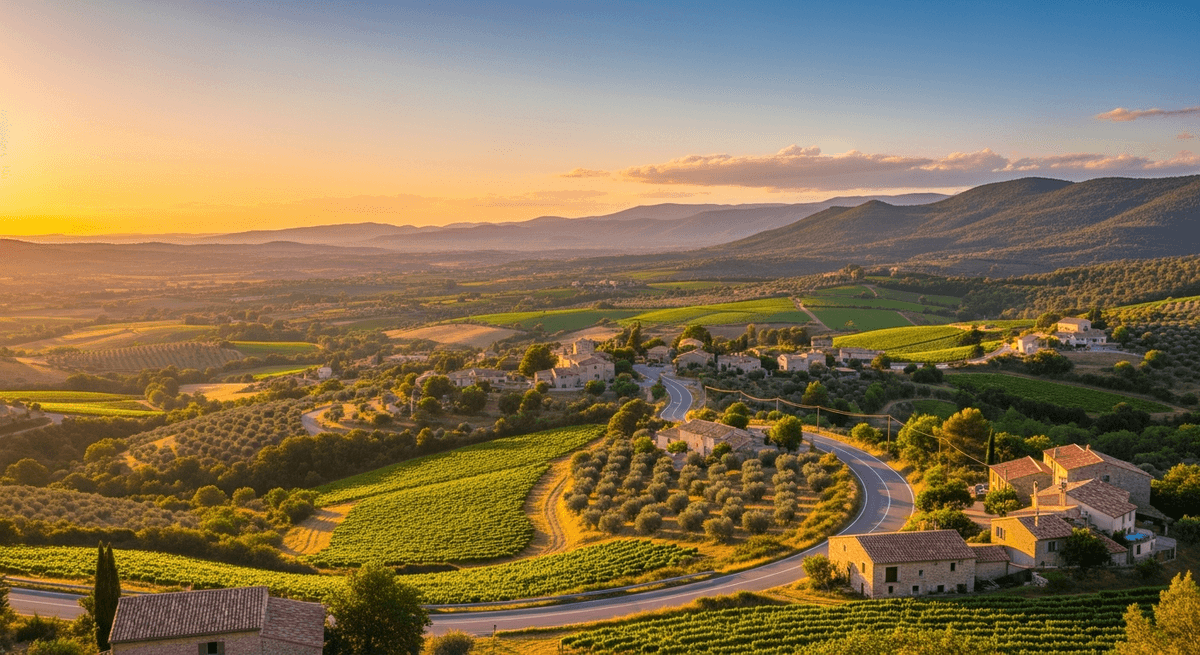
The crossing into France via the coastal route presents the traveller with the French Riviera, where the Mediterranean adopts a more sophisticated demeanor and the restaurants begin serving meals that constitute doctoral dissertations in the application of butter. Nice provides an excellent overnight stop with promenades designed for the sort of evening strolling that makes walking seem like a recreational activity rather than mere transportation. The local rosé flows with the abundance of people who have solved the puzzle of combining grapes, sunshine, and the proper attitude toward afternoon drinking.
The Spanish border crossing occurs with the administrative simplicity that makes European Union membership seem like civilization's finest diplomatic achievement. Suddenly road signs switch to Spanish, lunch moves to mid afternoon, and dinner begins when most countries are considering bedtime. The Costa del Sol unfolds along Spain's southern coast with beach towns that specialize in the sort of relaxed living that makes punctuality seem like an unfortunate northern European affliction requiring immediate treatment through extended exposure to Spanish sunshine.
Practical Planning Considerations
The optimal timing for this southern circuit runs from May through September, when alpine passes remain reliably open and Mediterranean weather cooperates with outdoor dining ambitions. Budget approximately 150 to 200 euros per day for two people, including accommodation, meals, fuel, and the sort of incidental expenses that accompany discovering local wines worthy of extended investigation. International driving permits prove unnecessary for EU and UK license holders within European Union boundaries, though rental car companies require verification of cross border permissions before allowing vehicles to cross international boundaries.
Essential packing includes layers suitable for alpine mornings and Mediterranean afternoons, comfortable walking shoes capable of handling cobblestones and coastal paths, and sunglasses adequate for reflecting off both snow covered peaks and azure waters. Mountain passes can close unexpectedly due to weather conditions that change with alpine unpredictability, making flexible scheduling more valuable than rigid itineraries. Swiss vignettes cost 40 euros annually and prove mandatory for highway driving, while Italian autostradas employ toll systems that accumulate charges like particularly persistent salesmen.
Navigation through European cities benefits from GPS systems updated with current traffic restrictions and pedestrian zones that multiply like determined weeds in urban centers. Parking proves challenging in historic city centers designed centuries before automobiles seemed like plausible transportation methods, making overnight accommodation with included parking worth premium pricing. Travel insurance should cover both medical emergencies and the sort of vehicle issues that arise when driving through multiple countries with varying mechanical philosophies and spare parts availability.
This grand tour of southern Europe delivers the sort of comprehensive continental experience that transforms casual travellers into people who bore dinner party guests with detailed accounts of mountain pass negotiations and coastal road adventures. The route combines natural beauty, cultural richness, and culinary excellence in proportions that make other vacations seem like rough sketches for the real thing, much like experienced road trippers appreciate the detailed planning required for other spectacular drives such as Germany's Black Forest and Rhine regions, the Romantic Road, or even distant adventures like California's Pacific Coast Highway or New Zealand's South Island. Plan this trip on GPSSquad.