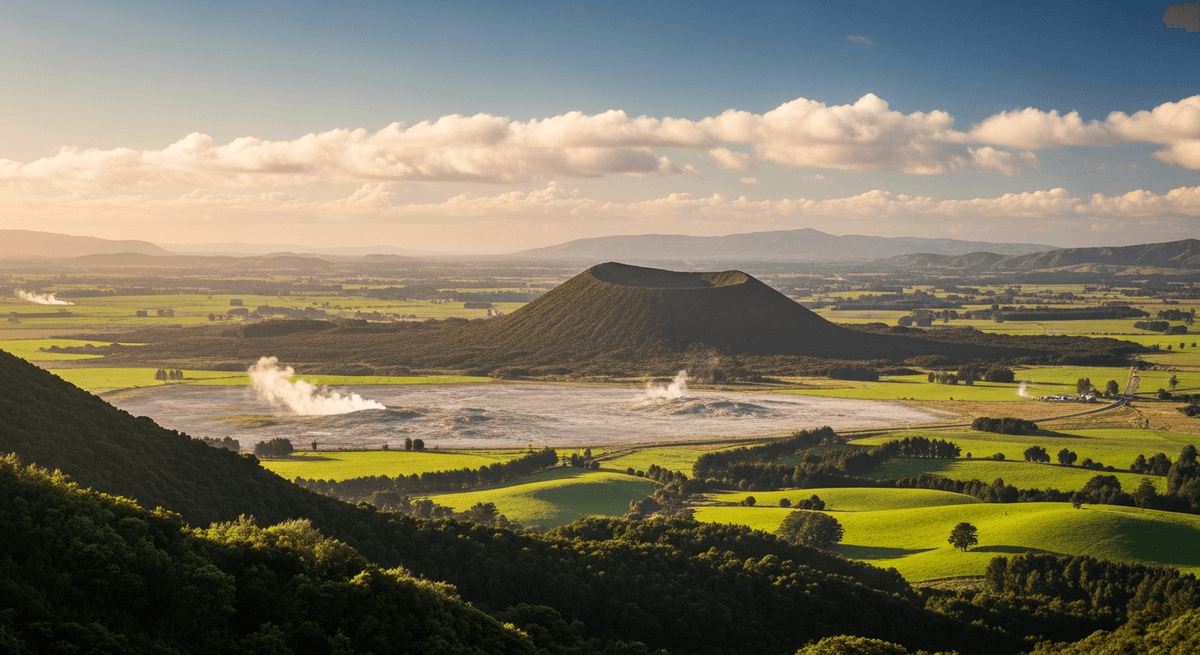

The South Island of New Zealand possesses, within a landmass roughly the size of England, the sort of geographical diversity that most continents distribute across entire mountain ranges. One finds, compressed into this comparatively modest territory, everything from glaciers descending through temperate rainforest to wine valleys that wouldn't look out of place in Tuscany, fjords that rival Norway's finest, and mountain passes that make the Alps seem positively tame. The South Island road trip is not merely a drive but a masterclass in how nature, when left to its own devices and given sufficient geological time, can produce landscapes that consistently exceed even the most optimistic expectations.
The classic South Island circuit begins in Christchurch, sweeps south through Queenstown's alpine drama, ventures west to Milford Sound's towering fjords, returns via the West Coast glaciers, and concludes in Marlborough's sun soaked wine valleys. This particular route reads like a greatest hits compilation of New Zealand's most spectacular scenery, covering approximately 2,500 kilometers of roads that curve through terrain so varied one might suspect the entire enterprise of having been designed by a committee of landscape architects with unlimited budgets and a shared appreciation for the theatrical.
The Complete Circuit: Route and Timing
The full South Island loop requires a minimum of two weeks to appreciate properly, though three weeks allows for the sort of unhurried exploration that transforms a good trip into one of those experiences that reshapes one's understanding of what constitutes impressive scenery. The route covers 2,500 kilometers through terrain that changes character as frequently as a Wodehouse plot changes complications.
Beginning in Christchurch, the circuit proceeds southwest 350 kilometers to Queenstown via the Canterbury Plains and Southern Alps. From Queenstown, the legendary Milford Sound drive stretches 290 kilometers through Fiordland National Park. The return journey north along the West Coast adds another 600 kilometers past Franz Josef and Fox Glaciers, before Arthur's Pass delivers you back to Christchurch via 250 kilometers of alpine highway. A final detour northeast to Marlborough's wine country completes the circuit with 150 kilometers of gentle valley driving.
The best season runs from November through April, when the weather cooperates sufficiently to make mountain passes navigable and helicopter flights to the glaciers reliably feasible. Summer temperatures hover between 20 to 25 degrees Celsius, though mountain weather can change with the unpredictability of a temperamental opera singer's moods.
Christchurch: The Civilized Beginning
Christchurch serves as the circuit's natural starting point, offering international airport connections and the sort of urban amenities that ease one into the South Island experience without overwhelming culture shock. The city has rebuilt itself following the 2011 earthquake with the determination of someone reorganizing their library after a particularly energetic house party, emerging with a collection of innovative architecture and public spaces that feel both contemporary and respectfully connected to the Canterbury Plains' pastoral heritage.
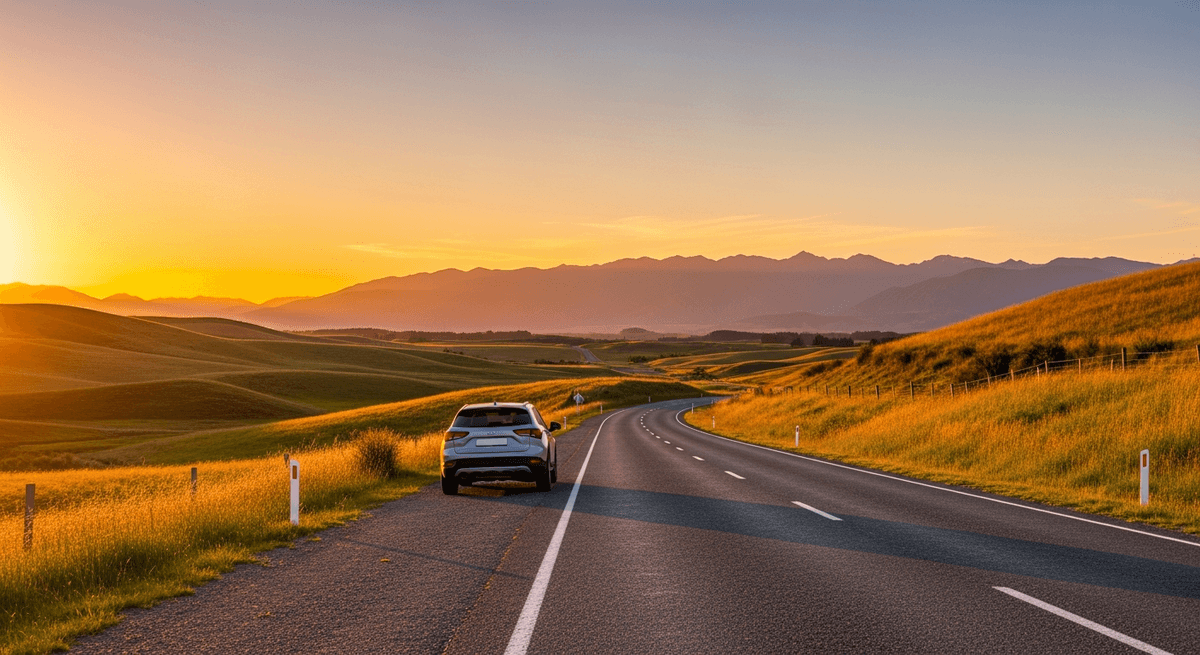
The Christchurch Botanic Gardens provide an excellent introduction to New Zealand's native flora, particularly useful preparation for recognizing the various ferns and beech forests encountered later on mountain passes. For sustenance, The Monday Room offers sophisticated New Zealand cuisine that showcases local ingredients without the sort of architectural plating that leaves one hungry despite having consumed something that resembled modern art. The drive south from Christchurch begins along State Highway 1 through the Canterbury Plains, where the landscape opens like a well edited novel, revealing its intentions gradually and with considerable style.
Queenstown: Alpine Theater at Its Finest
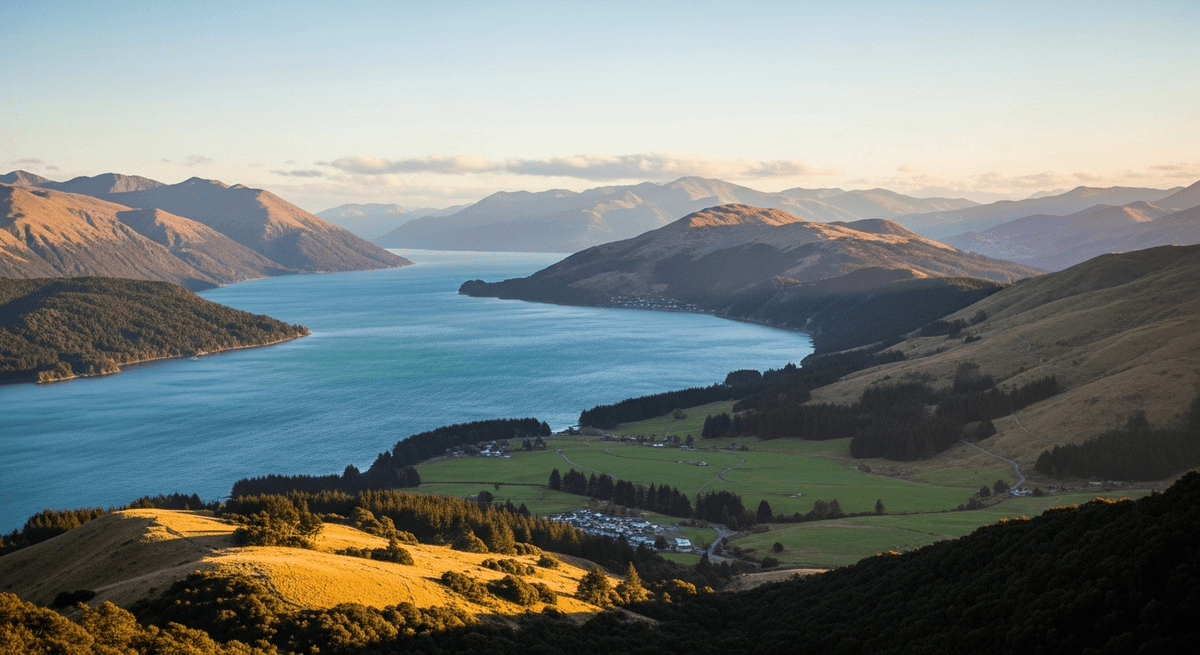
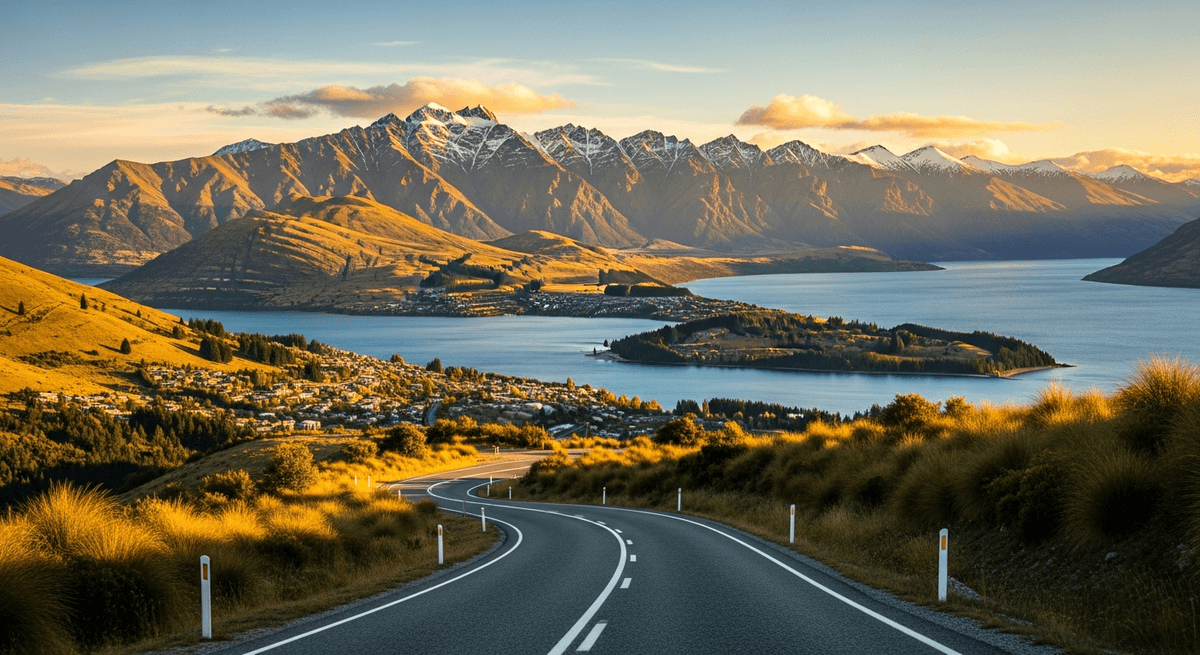
Queenstown occupies the shores of Lake Wakatipu with the confidence of a resort town that knows it possesses some of the world's most photogenic mountain scenery and has no intention of being modest about it. The Remarkables mountain range provides a backdrop that changes color throughout the day like a slowly rotating kaleidoscope, while the lake itself reflects these peaks with the clarity of a mirror that has never heard of false modesty.
The Skyline Gondola delivers visitors to Bob's Peak for panoramic views that encompass not merely Queenstown and its lake but the entire Otago region stretching toward the Southern Alps. For dining, Rātā offers Josh Emett's interpretation of New Zealand cuisine in a setting that manages to feel both elegant and relaxed, rather like attending a dinner party hosted by exceptionally well traveled friends who happen to possess impeccable taste in wine.
Adventure activities abound for those whose idea of relaxation involves considerable adrenaline, from bungee jumping at the original AJ Hackett Kawarau Gorge site to jet boating through the Shotover River's narrow canyon walls. The Otago Central Rail Trail provides a gentler alternative, following the route of a former gold rush railway through landscapes that change from alpine to almost Mediterranean in character.
Milford Sound: Nature's Cathedral
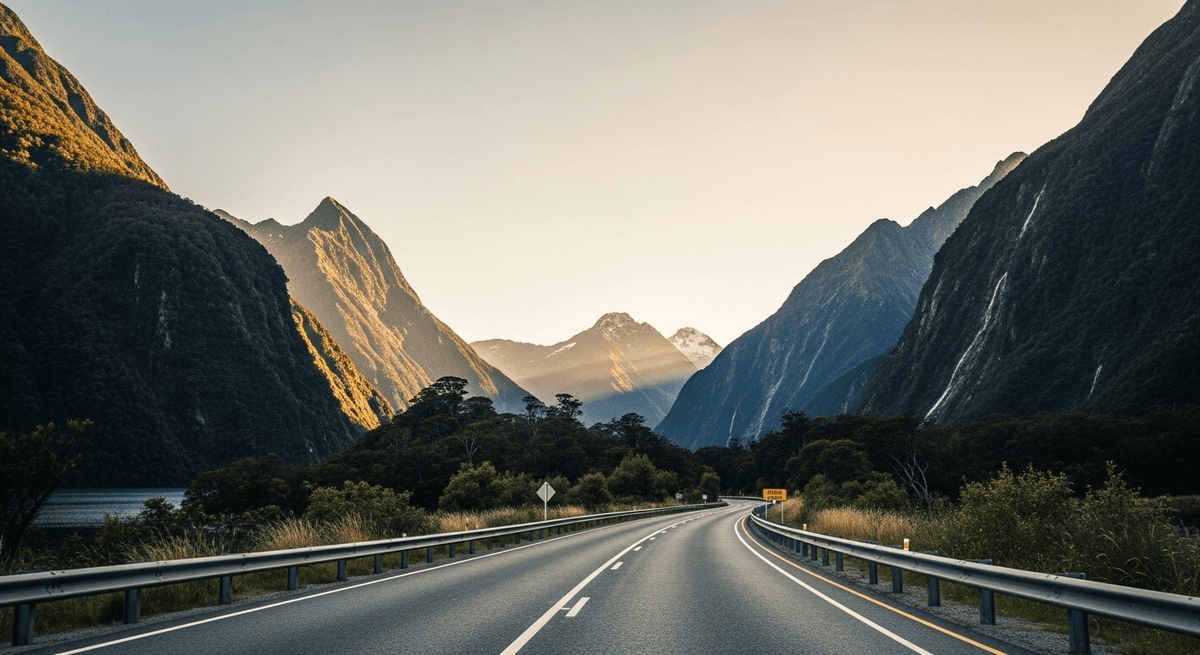
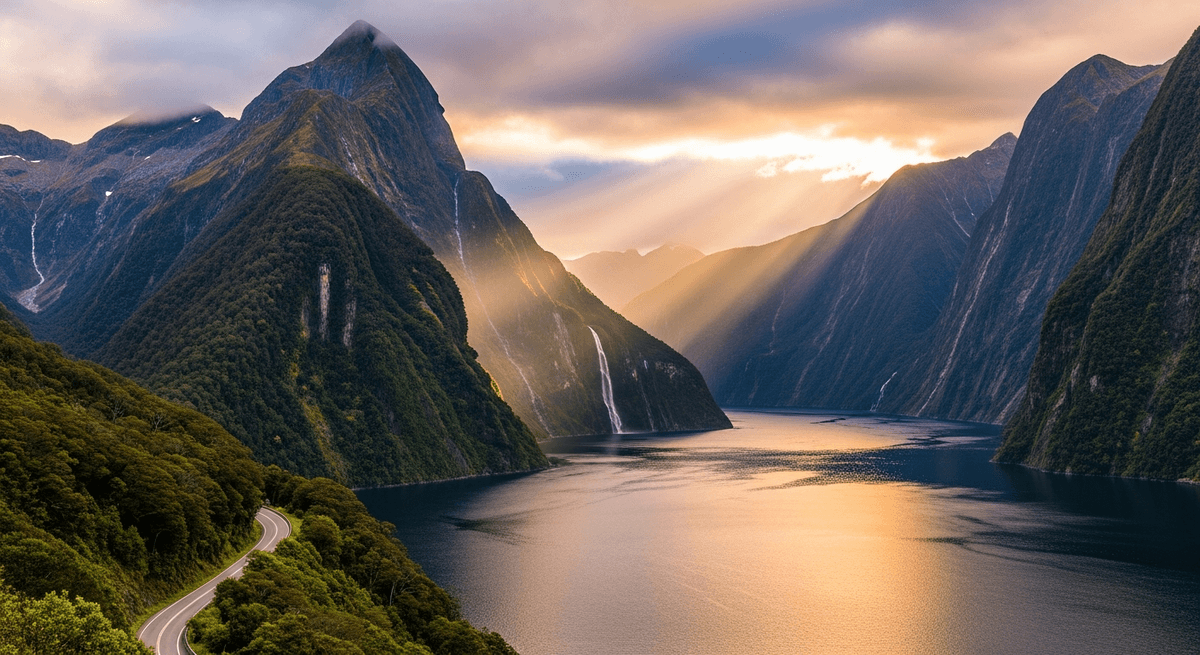
The drive from Queenstown to Milford Sound represents the South Island circuit's crown jewel, a 290 kilometer journey that unfolds like a carefully choreographed symphony of increasing dramatic intensity. The route follows State Highway 94 through Fiordland National Park, passing Mirror Lakes, where perfectly still water reflects the surrounding peaks with the precision of a photographer's composition, and through the Homer Tunnel, a 1.2 kilometer passage blasted through solid granite that emerges into Milford Sound with the theatrical timing of a perfectly executed stage entrance.
Milford Sound itself rises from sea level to Mitre Peak's 1,692 meter summit with the sort of vertical drama that makes one understand why early visitors consistently resorted to superlatives that sound excessive until one actually witnesses the spectacle. Technically a fjord rather than a sound, carved by glaciers rather than rivers, it demonstrates nature's capacity for creating landscapes that exceed the boundaries of reasonable expectation.
Boat cruises operate morning and afternoon, though the morning departure offers superior conditions for photography and waterfall viewing. Rain, counterintuitively, enhances rather than diminishes the experience, swelling the fjord's numerous waterfalls to full dramatic effect and creating the sort of misty atmosphere that transforms an already impressive landscape into something approaching the sublime. The Blue Duck Café and Bar in nearby Te Anau provides excellent preparation or recovery dining, specializing in local venison and seafood.
Plan this route with GPSSquad
AI powered itineraries, expense splitting, and group coordination in one app.
Start Planning FreeThe West Coast: Glaciers and Rainforest
The West Coast highway north from Queenstown via Haast Pass delivers some of the circuit's most challenging and rewarding driving, winding through mountain passes that demand attention like a conversation with someone far more interesting than oneself. The Haast Pass itself climbs through beech forests and alpine meadows before descending toward the Tasman Sea through temperate rainforest that receives upward of 5,000 millimeters of annual rainfall.
Franz Josef and Fox Glaciers present the geological curiosity of ice rivers descending from the Southern Alps to within 300 meters of temperate rainforest, creating the sort of landscape juxtaposition that suggests nature possesses a well developed sense of the dramatically improbable. Helicopter tours land directly on the glacier ice for guided walks through crevasse fields and ice caves that demonstrate the raw power of geological forces operating on human comprehensible timescales.
The township of Franz Josef offers Alice May restaurant for sophisticated dining that incorporates local ingredients, particularly West Coast whitebait and venison, into dishes that reflect both European techniques and New Zealand's distinctive flavor profile. The driving between Franz Josef and Fox Glacier follows the coast through podocarp forests where ancient rimu and kahikatea trees create cathedral like groves that predate human civilization by considerable margins.
Arthur's Pass: The Mountain Gateway
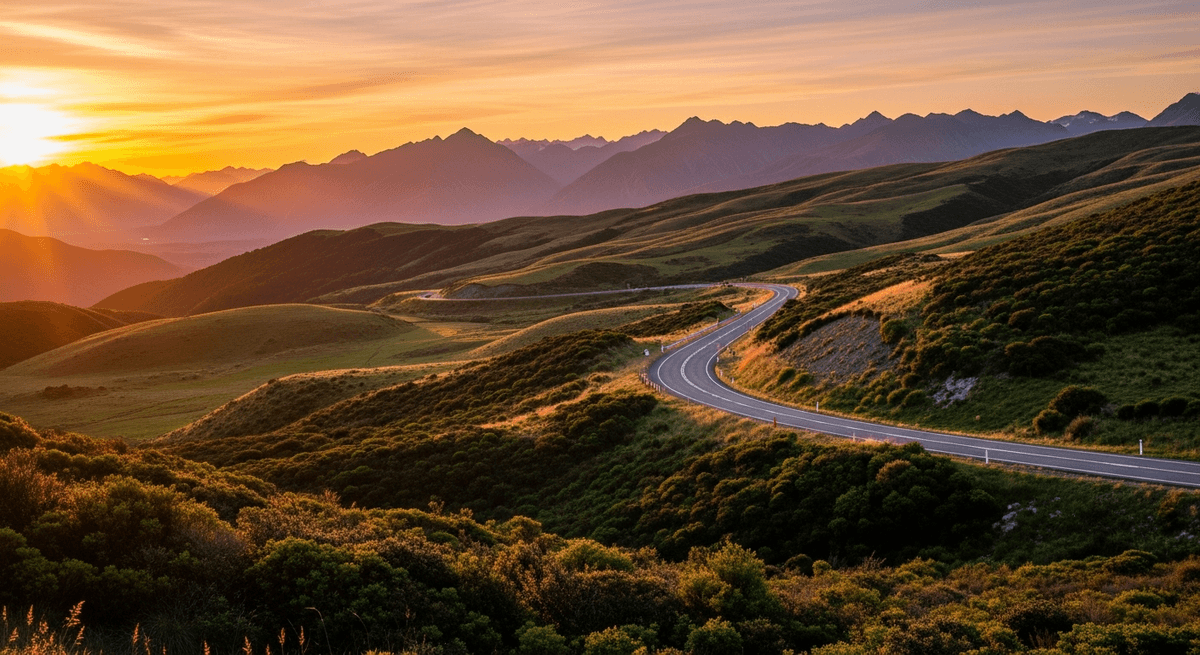
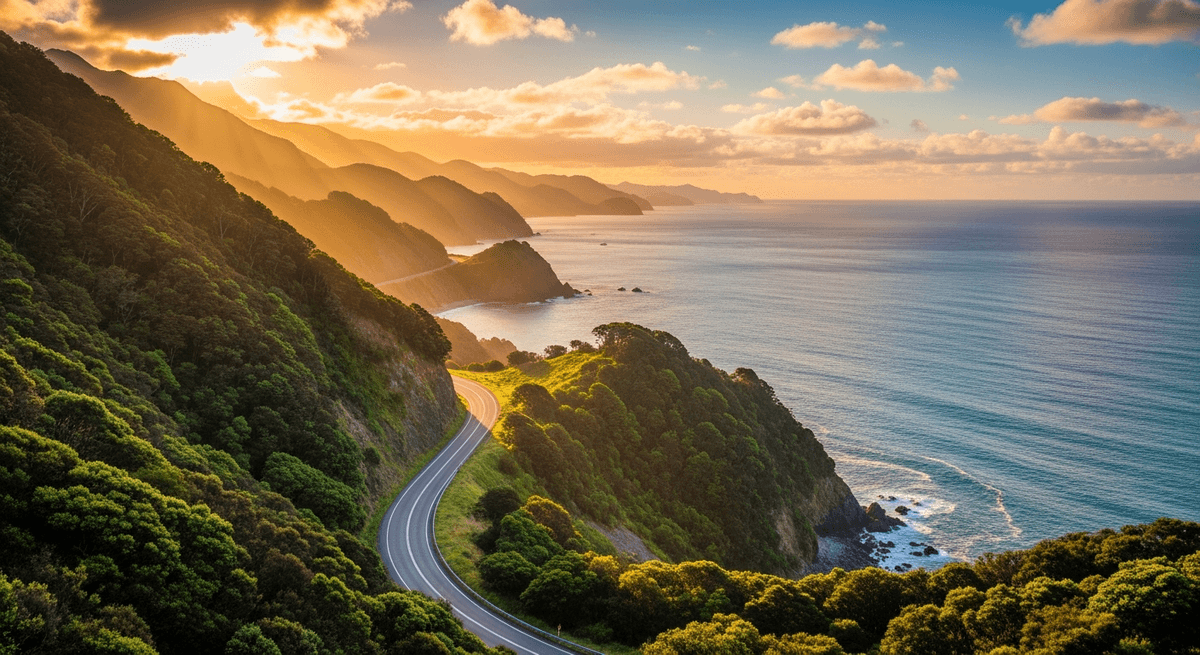
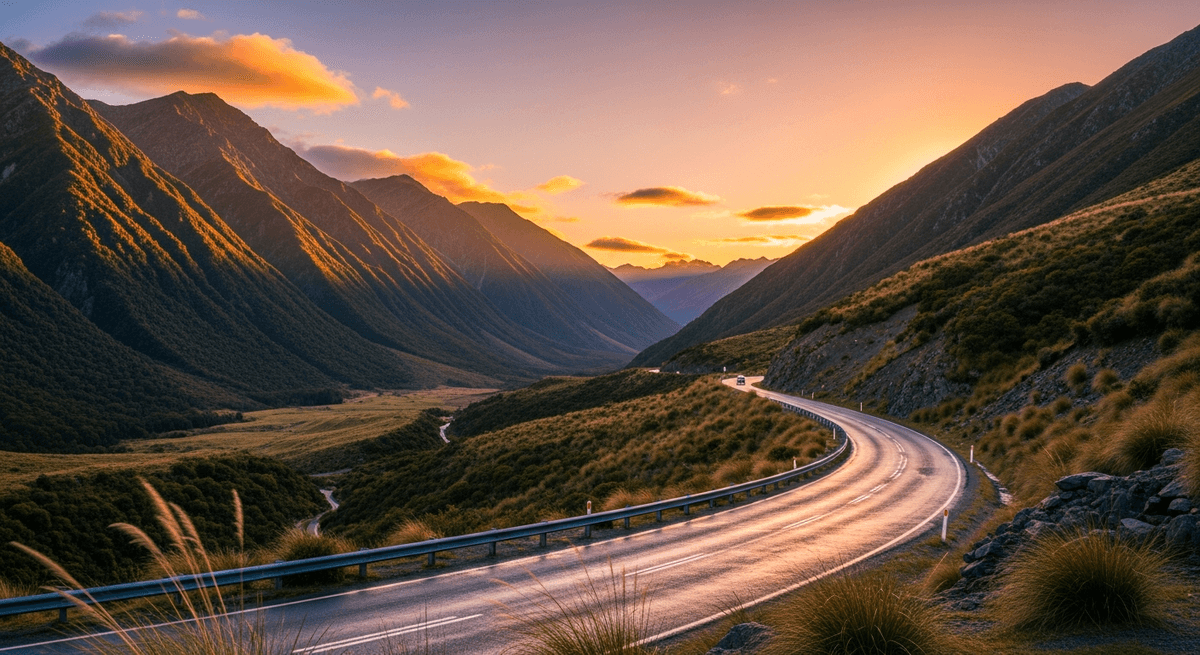
Arthur's Pass provides the circuit's most dramatic mountain crossing, climbing from the West Coast's sea level rainforests to 920 meters elevation before descending through beech forests toward Canterbury's golden grasslands. The pass demonstrates New Zealand's capacity for containing multiple climate zones within driving distances that would barely register as significant in larger countries.
The Arthur's Pass village sits at the route's highest point like a mountain hamlet that has learned to coexist with weather patterns that change as frequently as a politician's campaign promises. The Wobbly Kea café serves hearty meals designed for travelers who have spent considerable energy navigating mountain roads, while the surrounding peaks offer hiking trails that range from gentle valley walks to serious alpine expeditions requiring technical mountaineering skills.
The descent toward Christchurch follows the Waimakariri River through landscapes that transition from alpine to pastoral with the gradual pace of a well constructed argument, eventually emerging onto the Canterbury Plains where the driving becomes as straightforward as the mountain passes were complicated.
Marlborough: Wine Country Finale
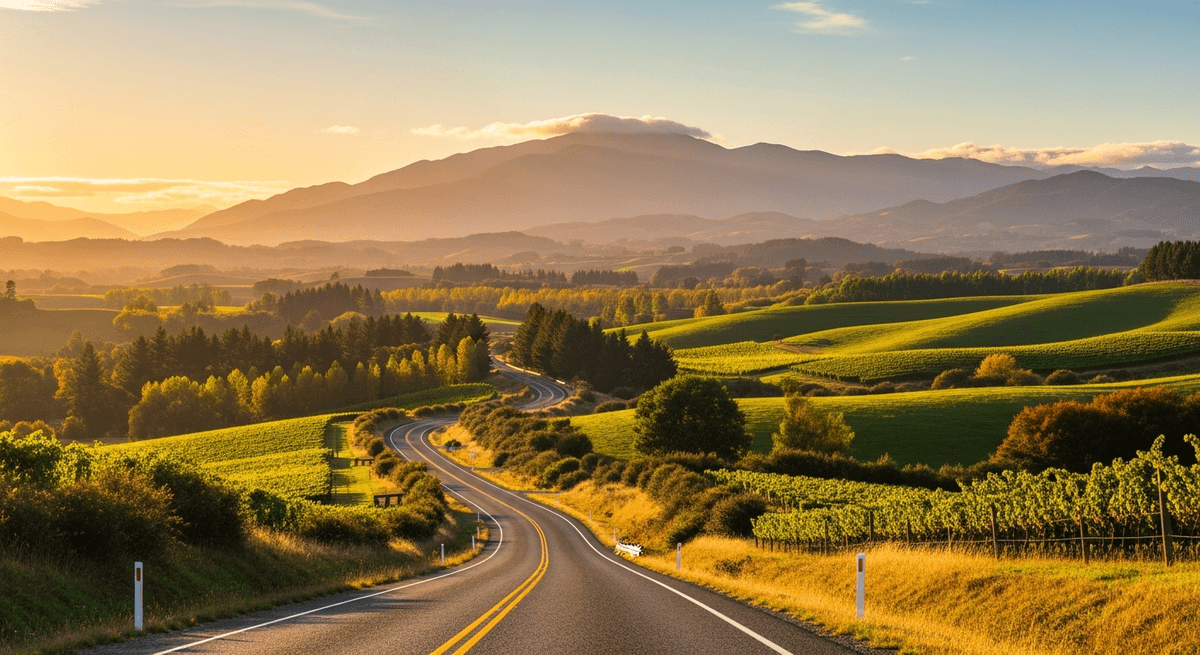
Marlborough's Wairau Valley concludes the circuit with landscapes that feel almost Mediterranean after the alpine drama of the previous weeks, spreading 150 wineries across sun drenched valley floors that produce 75 percent of New Zealand's sauvignon blanc and increasingly impressive pinot noir. The valley extends roughly 45 kilometers end to end, creating the sort of concentrated wine region that rewards spontaneous cellar door visits and leisurely tastings.
Cloudy Bay offers the sauvignon blanc that introduced New Zealand wines to international recognition, while Seresin Estate demonstrates biodynamic winemaking techniques in vineyards that incorporate native plantings and sustainable agriculture practices. For dining, Arbour restaurant in Blenheim provides sophisticated cuisine that pairs local ingredients with Marlborough wines in combinations that demonstrate why the region has developed such a devoted following among wine enthusiasts.
The Marlborough Sounds provide a fitting finale to the South Island circuit, offering boat trips through drowned valley systems where forested peninsulas and hidden coves create intimate waterscapes that contrast beautifully with the grand alpine scenery of the previous weeks. The Interislander ferry from Picton to Wellington crosses Cook Strait through scenery that ranks among the world's most beautiful ferry journeys.
Planning Your South Island Adventure
The optimal time for a South Island road trip extends from November through April, when weather conditions cooperate sufficiently to make mountain passes navigable and helicopter flights to glaciers reliably feasible. Summer temperatures range from 20 to 25 degrees Celsius in most regions, though mountain weather can change with the unpredictability of a Bertie Wooster scheme, requiring layers and waterproof clothing regardless of season.
Budget expectations should account for New Zealand's geographic isolation, which affects pricing for most goods and services. Accommodation ranges from $150 per night for comfortable motels to $400 plus for luxury lodges, while restaurant meals average $35 to 50 for dinner at quality establishments. Car rental for three weeks typically costs $1,200 to 1,800 depending on vehicle size and insurance coverage.
Essential packing includes layers for variable weather conditions, sturdy walking shoes for glacier and fjord excursions, and waterproof clothing for West Coast rainfall that arrives with the persistence of an overeager acquaintance. Camera equipment deserves particular attention, as the South Island provides photographic opportunities that exceed most people's storage capacity expectations.
The South Island circuit represents road tripping at its most rewarding: routes that curve through landscapes so varied and spectacular that even the most well traveled visitors find their expectations consistently exceeded. From Milford Sound's towering fjords to Marlborough's sun soaked vineyards, this drive delivers the sort of scenery that reshapes one's understanding of what constitutes impressive geography. For those planning an extended adventure across both islands, a comprehensive New Zealand road trip itinerary or exploring options with a New Zealand campervan can enhance the experience further. Plan this trip on GPSSquad.