
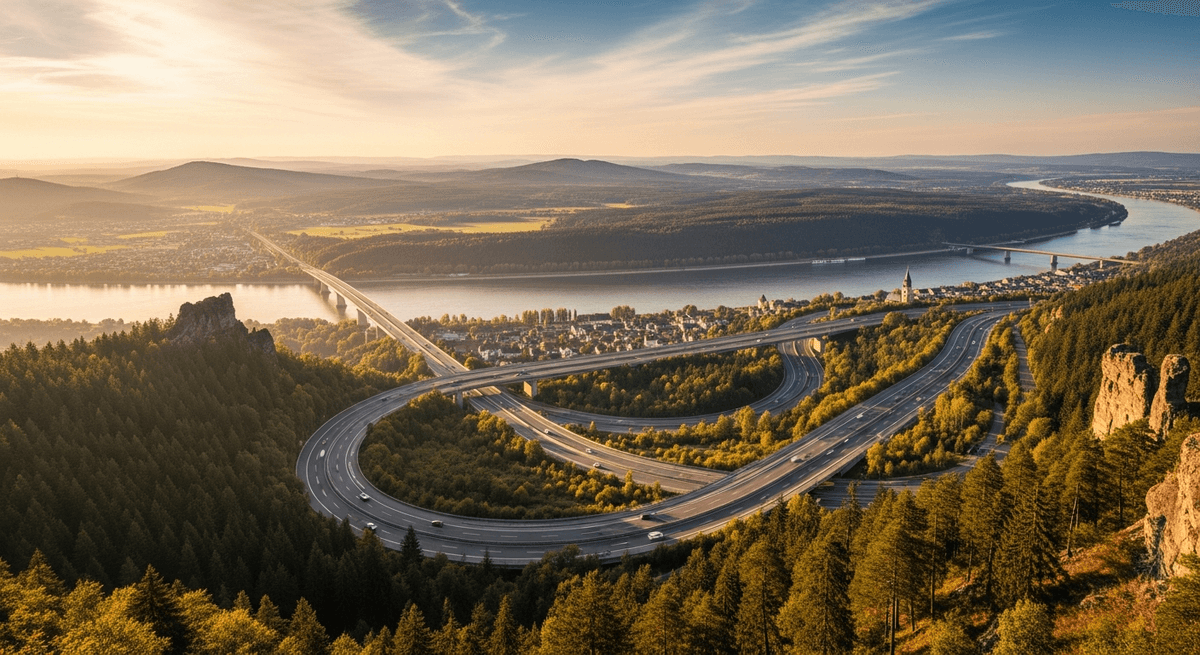

Germany possesses the finest road network in Europe, a system so methodically engineered that it makes the Roman road builders look like weekend hobbyists armed with string and good intentions. The Autobahn's celebrated speed limitless sections are merely the headline act, while the supporting cast of Bundesstrasse secondary roads winds through the Schwarzwald's valleys and Rhine terraces with the scenic reliability of a Swiss timepiece and considerably more character.
Consider the gentleman's grand tour from the Black Forest's thermal springs to Bavaria's Alpine peaks: 800 kilometres of perfectly maintained asphalt connecting seventeen distinct character zones, each as different from its neighbor as a Beethoven symphony from a Bavarian folk tune. This is a journey that transforms Germany from a collection of regional stereotypes into a coherent narrative of forests, rivers, castles, and mountains, all connected by roads that seem to have been designed by engineers with advanced degrees in both efficiency and scenic appreciation.
Route Overview: A Teutonic Triangle of Excellence
The classic Germany road trip forms a triangle of approximately 800 kilometres, beginning in Baden Baden's spa elegance, ascending through the Black Forest's ridge roads, descending to the Rhine Valley's castle parade, then striking south to Munich and the Bavarian Alps. The complete circuit requires five to seven days of proper exploration, though like a fine German beer, it rewards those who resist the urge to consume it hastily.
Distance: 800 kilometres total
Driving time: 14 to 16 hours (excluding stops, which would be criminal)
Best season: May through October, when the Rhine terraces are verdant and the Alpine roads are reliably snow free
Primary routes: B500 (Black Forest High Road), B9 (Rhine Valley), A8/A95 (Munich to Alps)
Baden Baden: Where Romans Invented the Spa Weekend
Baden Baden operates on the principle that relaxation is a serious business requiring professional supervision and elegant architecture. The Romans discovered the thermal springs here in 75 AD and immediately set about building baths of imperial proportions, establishing a tradition of therapeutic luxury that has continued uninterrupted for nearly two millennia, making it possibly the world's longest running hospitality business.
The Friedrichsbad, built in 1877, offers the full Roman Irish bath experience: seventeen stations of pools, saunas, and hot rooms that progress through temperatures like a carefully orchestrated symphony of perspiration. Mark Twain declared that after ten minutes at Friedrichsbad, you forget time, and after twenty minutes, you forget the world. This may explain why Dostoevsky lingered long enough to gamble away his book advance at the nearby casino and write "The Gambler" about the experience, creating literature from financial disaster with the efficiency that Germans admire.
The Kurhaus Casino, where Dostoevsky conducted his expensive research, maintains dress codes stricter than a Prussian military parade and gaming tables that have witnessed fortunes change hands with the regularity of seasons. The surrounding Lichtentaler Allee, a 2.3 kilometre boulevard lined with boutiques and cafes, provides the perfect venue for recovering one's composure after either thermal treatments or gaming adventures.
Dining recommendation: Restaurant Opus V in the Hotel Roomers serves modern German cuisine that treats regional ingredients like honored guests rather than mere components.
The Black Forest High Road: Nature's Scenic Highway
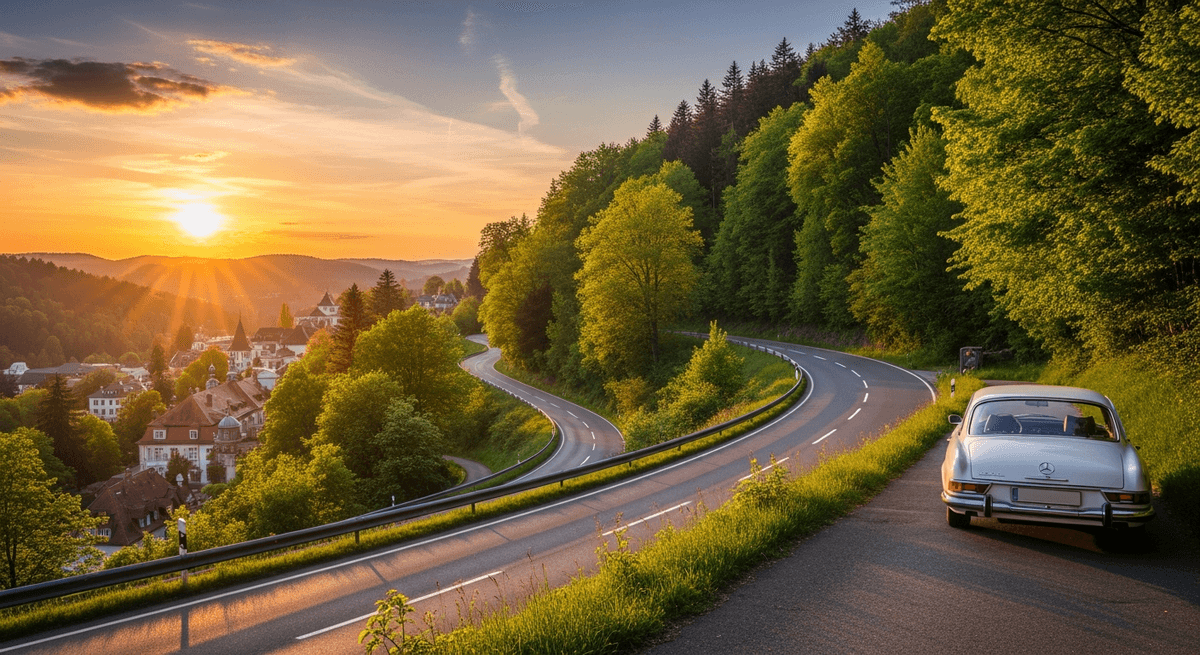
The Schwarzwald Hochstrasse (B500) stretches 60 kilometres between Baden Baden and Freudenstadt, maintaining elevations between 600 and 1,000 metres with the consistency of a German train schedule. This is the road that transforms the Black Forest from a collection of trees into a panoramic experience, offering views across the Rhine Valley to France's Vosges Mountains that make ordinary landscapes seem like rough drafts.
The Mummelsee, at 1,036 metres elevation, serves as the route's scenic climax: a glacial lake so perfectly positioned that it appears to have been placed by a landscape architect with access to divine engineering resources. Local legend claims the lake is bottomless and inhabited by water spirits, though the German Geological Survey has measured its depth at 17 metres, proving once again that German precision tends to deflate romantic mythology.
Triberg, a 20 kilometre detour east from Freudenstadt, houses both Germany's highest waterfall (163 metres of cascading efficiency) and the world's cuckoo clock industry. The House of 1000 Clocks displays timepieces ranging from genuine handcrafted masterpieces to enthusiastically commercial productions, the distinction being immediately apparent to anyone who examines the clockwork with appropriate attention. The town's bakeries produce Black Forest cake with the solemnity of religious ritual, using recipes that treat cherries and cream as sacred ingredients.
Local tip: The Ruhestein Nature Center offers hiking trails and panoramic platforms that provide Instagram opportunities worthy of German engineering precision.
The Rhine Valley: Medieval Fortification Theater
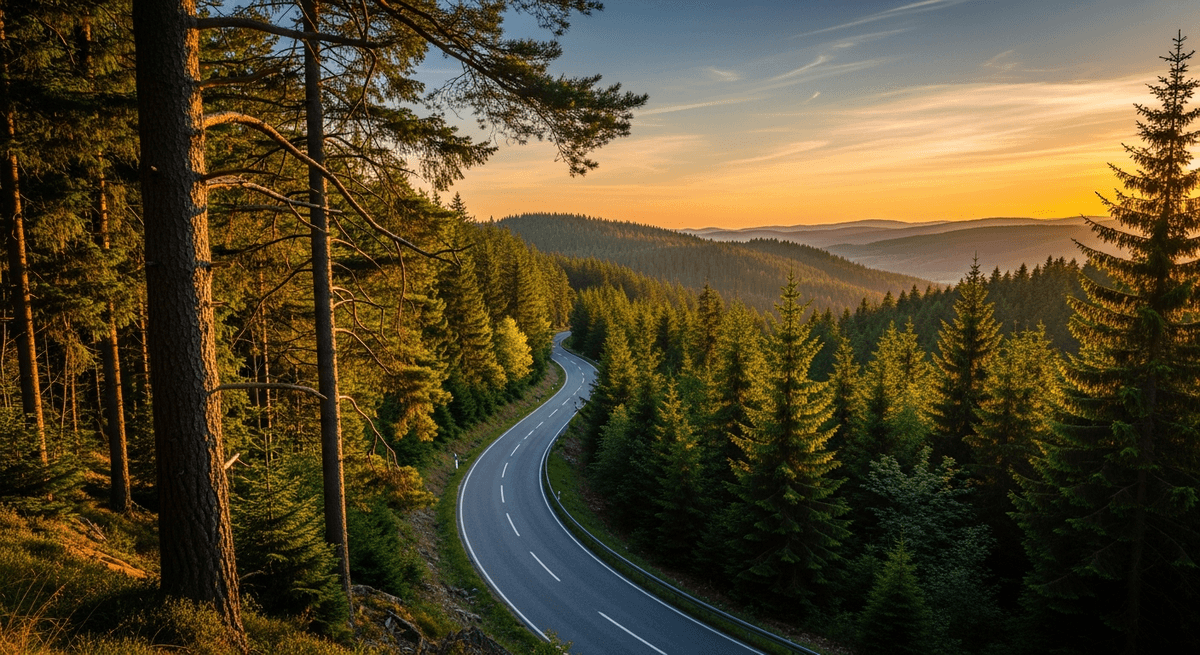
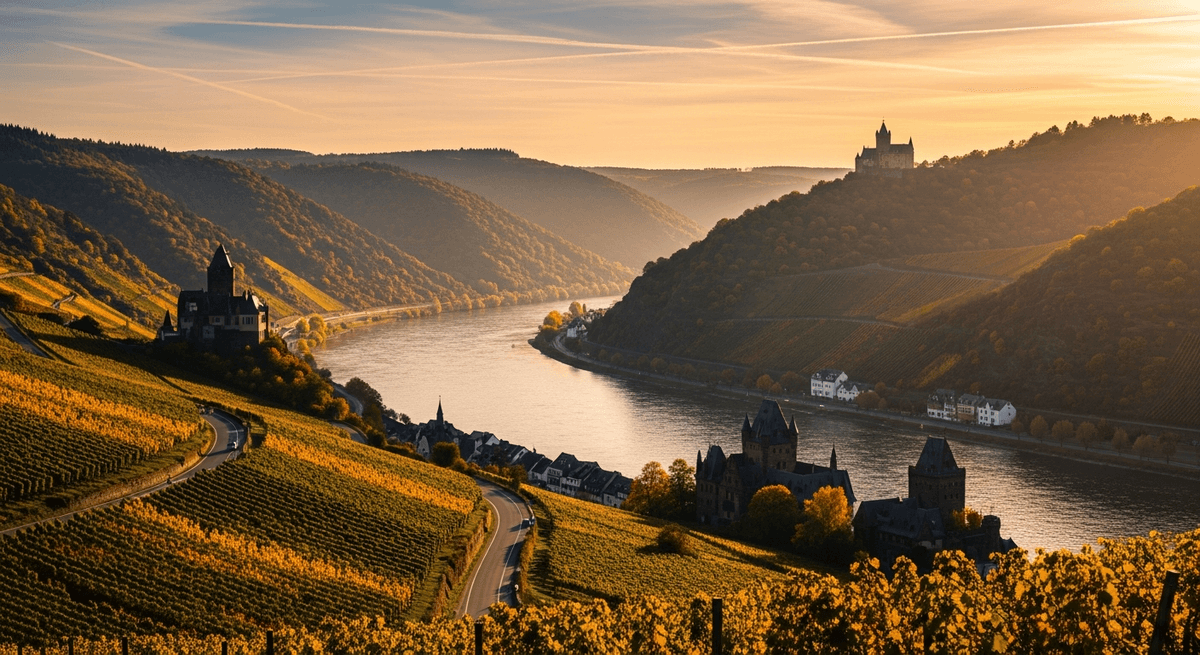
The Middle Rhine Valley between Bingen and Koblenz presents 65 kilometres of UNESCO World Heritage scenery with approximately 40 castles perched on hillsides like stone sentinels who took their positions seriously and refuse to retire. This concentration of medieval fortification reflects an era when every Rhine lord operated a toll station and possessed the military architecture to enforce payment, creating a landscape that resembles a fairy tale illustrated by someone with extensive knowledge of defensive engineering.
The Loreley rock, rising 132 metres above the Rhine's narrowest bend, has accumulated mythology like a magnet attracts iron filings. Heinrich Heine's poem about the beautiful maiden who sang sailors onto the rocks has made this modest slate formation one of Germany's most famous landmarks, proving that good marketing can transform geological features into tourist destinations. The view from the Loreley plateau across the Rhine's tightest curve justifies the reputation independent of any singing sirens.
Bacharach, nestled between river and vineyard terraces like a medieval jewel in a green setting, offers half timbered houses that lean toward each other across narrow streets with the intimacy of old friends sharing secrets. The town's Posthof restaurant serves Rhineland cuisine in a 16th-century coaching inn that has been feeding travelers longer than most countries have existed as political entities.
The B9 road along the Rhine's western bank provides the scenic route, while the eastern autobahn offers practical efficiency. In sunshine, choosing the western bank becomes obvious; in fog, the distinction matters less. Both sides feature castle ruins that can be explored by the energetic or admired from comfortable automotive positions by the sensible.
Plan this route with GPSSquad
AI powered itineraries, expense splitting, and group coordination in one app.
Start Planning FreeMunich: Bavarian Sophistication in Lederhosen
Munich operates as Bavaria's sophisticated capital while maintaining the ability to throw the world's largest beer party annually, a combination that requires considerable cultural dexterity. The city applies serious resources to quality of life projects, producing the English Garden (larger than Central Park) complete with a artificial river wave where urban surfers practice their craft in the geographic middle of Continental Europe, a sight that strikes visitors like a Magritte painting come to life.
The Viktualienmarkt, Munich's food market since 1807, occupies the city center with 140 stalls selling everything from Bavarian specialties to international delicacies, creating a culinary United Nations governed by strict German standards of quality and freshness. The market's beer garden serves Augustiner from wooden barrels while customers sit beneath chestnut trees, conducting the social business of Munich in the democratic atmosphere that beer gardens have provided since 1812.
The BMW Welt and Museum present automotive history with the thoroughness that Germans apply to all educational endeavors, displaying vehicles from the company's motorcycle origins through current electric innovations. The building's architecture resembles a chrome and glass sculpture that landed from a more technologically advanced planet, which seems appropriate for a company that treats engineering as applied art.
Augustiner Bräu's beer hall on Neuhauserstrasse serves traditional Bavarian cuisine in portions that suggest the kitchen staff expects customers to undertake alpine climbing after lunch. The sauerbraten arrives with red cabbage and dumplings in quantities that would satisfy a medieval hunting party.
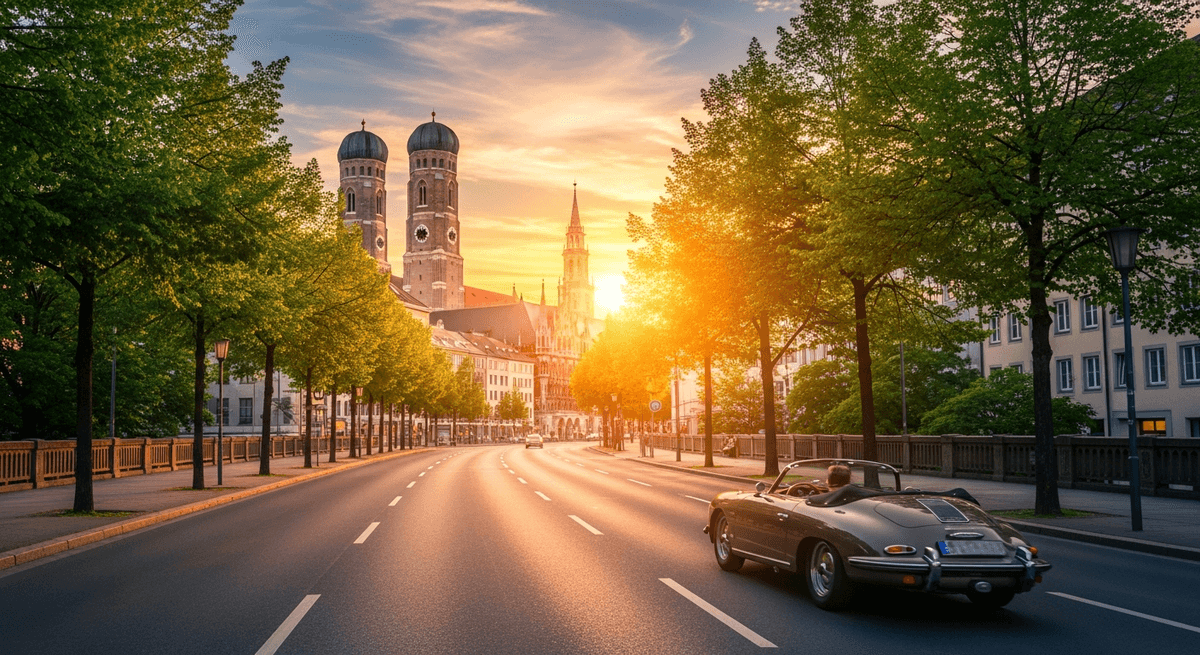
The Bavarian Alps: Nature's Grand Finale
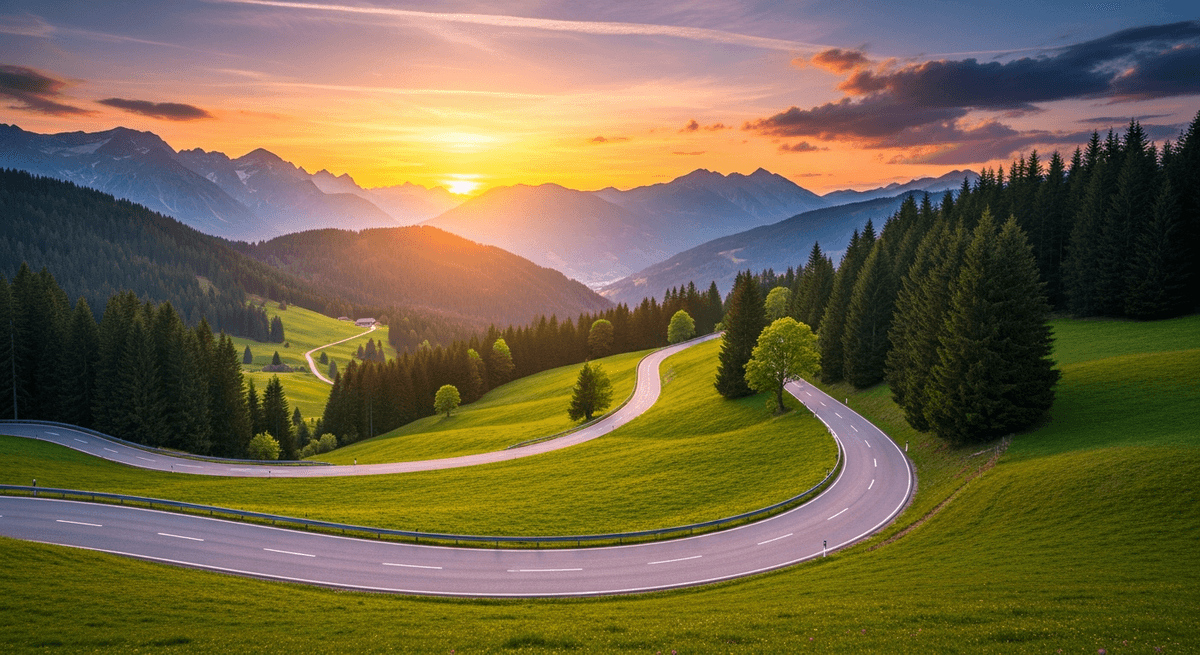
The drive south from Munich on the A95 toward the Austrian border delivers the Germany road trip's crescendo: the Bavarian Alps rising from green meadows like a geological symphony conducted by someone with unlimited resources and impeccable taste. Garmisch Partenkirchen, host of the 1936 Winter Olympics and gateway to the Zugspitze, maintains the Alpine character of a town that takes the business of being beautiful with professional seriousness.
The Zugspitze, Germany's highest peak at 2,962 metres, can be reached by cogwheel railway or cable car, both engineered with typical German precision to deliver visitors safely to elevations where the view encompasses four countries and several philosophical insights about human insignificance in the face of natural grandeur. The summit restaurant serves schnitzel at altitudes where most food tastes like cardboard, a culinary achievement that deserves recognition from international engineering societies.
Neuschwanstein Castle, 90 kilometres southwest via scenic secondary roads, represents King Ludwig II's architectural fantasy made manifest in stone and timber. The castle inspired Disney's Sleeping Beauty Castle while demonstrating that unlimited royal budgets combined with romantic imagination can produce buildings that seem to have been designed by fairy tale illustrators with engineering degrees. Advance booking is essential, as the castle receives more visitors annually than some countries.
The Königssee in Berchtesgaden National Park presents alpine lake perfection: waters so pristine that motorized boats have been banned since 1909, surrounded by peaks that reflect in the surface with the clarity of a mirror. Electric boat tours cross the lake while captains demonstrate the famous echo that bounces off surrounding cliffs, a natural acoustic phenomenon that proves even geography can be entertaining when properly presented.
Practical Planning: Engineering Your German Adventure
Timing your Germany road trip requires consideration of weather patterns, tourist seasons, and cultural events. May through October provides optimal conditions: the Rhine Valley vineyards are verdant, Alpine roads remain snow free, and beer gardens operate at full capacity. July and August bring peak tourist crowds but also the longest daylight hours and most reliable weather. September offers the harvest season's golden light and fewer tourists, while October provides autumn colors that transform the Black Forest into a photographer's dream.
Budget considerations reflect Germany's position as a developed European economy with efficient infrastructure and high service standards. Expect hotel costs of €80 to €150 per night for mid range accommodations, restaurant meals from €15 to €35 per person, and fuel prices approximately €1.50 per litre. Castle admissions range from €8 to €15, while spa treatments in Baden Baden can reach €50 for comprehensive thermal experiences.
Essential packing includes comfortable walking shoes for castle explorations, layers for variable mountain weather, formal attire for upscale spa treatments and casino visits, and a good camera for scenery that will make your friends question your photography skills. A detailed road atlas remains valuable despite GPS technology, as German secondary roads offer scenic detours that electronic navigation might miss.
Accommodation booking should occur well in advance, particularly for Black Forest spa hotels and Munich city center properties during Oktoberfest season. Many castles require timed entry reservations, while popular restaurants in tourist areas benefit from advance planning.
GPSSquad's Germany road trip planner coordinates the Black Forest High Road's optimal viewpoints, synchronizes Rhine cruise schedules with driving itineraries, and manages Neuschwanstein castle reservations within your travel timeline. Germany rewards careful planning with experiences that justify the preparation, and GPSSquad ensures your route captures the country's scenic and cultural highlights with typical German efficiency, much like planning the Europe road trip requires understanding continental driving regulations. For those inspired by Germany's medieval architecture and scenic routes, the Romantic Road Germany extends this journey through Bavaria's most charming towns. Plan this trip on GPSSquad.
