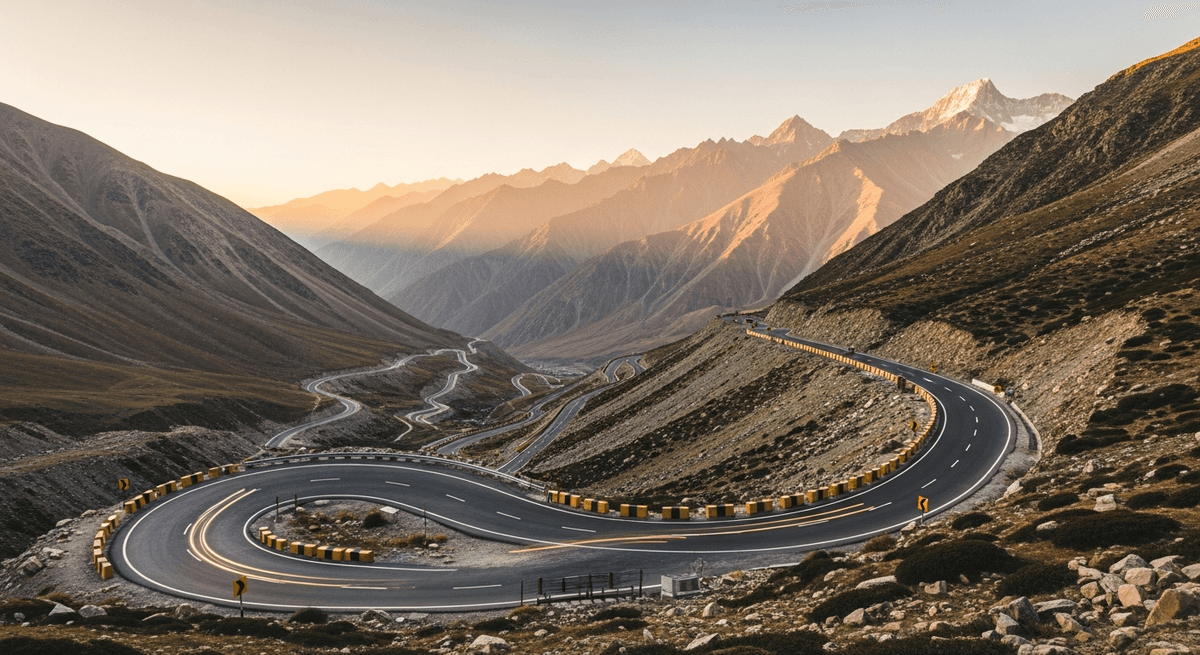

There exists a curious phenomenon in the art of travel planning, rather like discovering that one's morning tea has been improved immeasurably by the simple expedient of brewing it in a proper pot instead of a mug. One assumes the destination will deliver its promised charms, but occasionally finds oneself in possession of something considerably more satisfactory than anticipated. Kerala presents just such a delightful surprise, offering not merely a road trip but a journey through three entirely distinct worlds, each as charming as a well turned compliment and twice as memorable.
The Kerala road trip unfolds across God's Own Country with the precision of a well orchestrated symphony, beginning in the cosmopolitan embrace of Kochi's colonial quarters, meandering through the languid backwaters of Alleppey where time moves like honey in winter, and ascending to Munnar's misty tea estates where the air carries whispers of cardamom and adventure. This 800 kilometre odyssey through southwestern India transforms the humble automobile into a time machine, delivering travellers from medieval fishing techniques to modern houseboats to colonial hill stations with the efficiency of a particularly well trained valet.
The Route Overview
The complete Kerala circuit covers approximately 800 kilometres over seven to ten days, though like a particularly engrossing novel, one finds oneself reluctant to reach the final chapter. The journey traditionally begins in Kochi, ventures southeast to the backwater kingdom of Alleppey, climbs northeast to Munnar's tea country, and may include a wildlife safari detour to Thekkady before returning to civilization. October through March provides the most agreeable weather, when the monsoons have refreshed the landscape without rendering the roads impassable, and temperatures hover in that perfect range where neither fan nor jumper seems entirely necessary.
The driving time between major stops ranges from 90 minutes to four hours, though these estimates assume one possesses the superhuman ability to resist roadside spice shops, impromptu temple visits, and those irresistible photo opportunities that appear with the frequency of buses in a Wodehouse farce. Budget travelers can navigate this route comfortably for 3,000 to 5,000 rupees per day, while those preferring their comfort served with a side of luxury might invest 10,000 to 15,000 rupees daily in the sort of experiences that convert travel stories into dinner party legends.
Kochi: Where History Collects Like Rare Books
Fort Kochi presents itself like a particularly well curated museum that happens to be inhabited by people going about their perfectly ordinary lives. The Chinese fishing nets, those magnificent cantilever contraptions that have decorated the harbor since the 14th century, operate with the stately rhythm of a grandfather clock, requiring four operators to manage their counterweight system as the sun performs its daily disappearing act into the Arabian Sea. The sight possesses that rare quality of matching one's wildest expectations precisely, rather like discovering that the hotel's description of its "charming heritage property" actually understates the case.
The old quarter reveals its colonial pedigree in layers, from Portuguese churches to Dutch houses to British administrative buildings, all weathered into that particular shade of tropical dignity that only centuries of monsoons can achieve. The Mattancherry Synagogue, constructed in 1568, displays hand painted Chinese tiles and Belgian chandeliers with the casual confidence of a place that has survived various empires through the simple expedient of being too interesting to demolish. The spice markets nearby assault the senses in the most delightful way, offering cardamom, pepper, and cinnamon in quantities that suggest the entire neighborhood might burst into fragrance at any moment.
For sustenance, Kashi Art Café serves South Indian breakfasts that would convince even the most devoted bacon enthusiast to reconsider their position on coconut chutney, while the Grand Hotel's restaurant has been perfecting its fish curry since 1865 with the dedication of a craftsman perfecting his masterpiece. The evening promenade along the harbor front, watching the fishing nets perform their ancient dance against the sunset, provides the sort of memory that improves with age like a fine wine.
Alleppey: Where Time Flows Backward
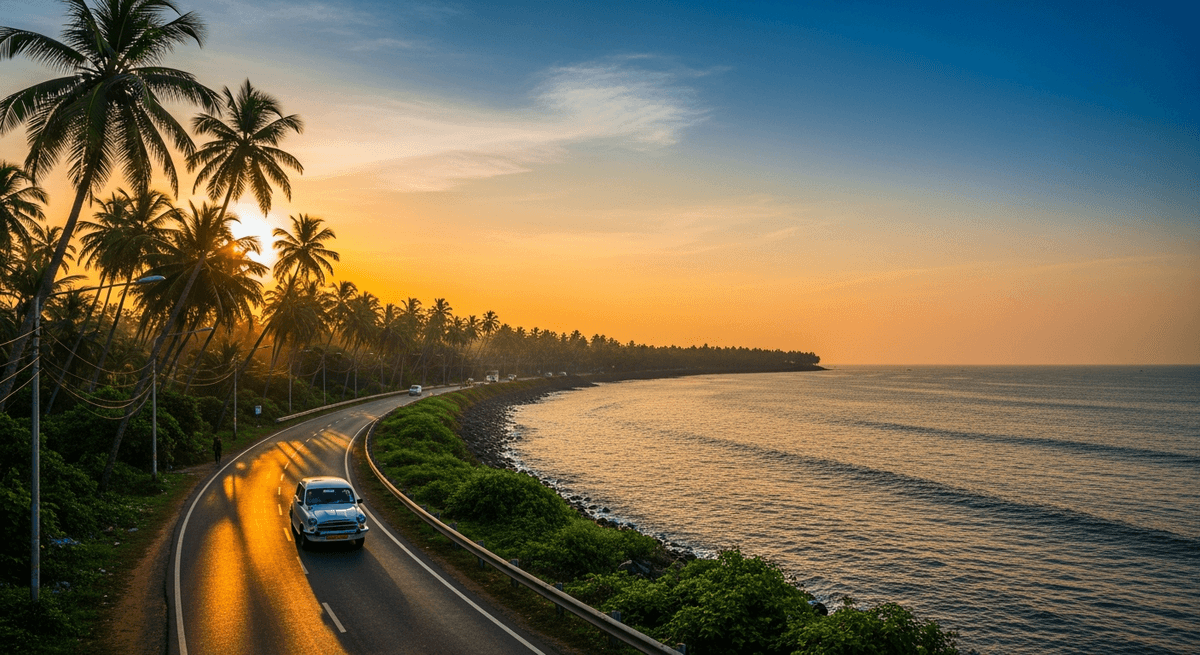
The 55 kilometer drive from Kochi to Alleppey requires approximately 90 minutes, though this calculation assumes one resists the temptation to investigate every roadside temple and spice garden that presents itself with the insistence of a particularly enthusiastic tour guide. Alleppey, or Alappuzha to those who prefer linguistic precision, serves as the gateway to Kerala's backwater kingdom, where the concept of a road trip transforms into something more closely resembling a floating meditation retreat.
The houseboat experience aboard a kettuvallam unfolds with the gentle inevitability of a well written story, as these converted rice barges navigate canals that thread between villages where water serves as the primary thoroughfare. Life along these waterways continues with the unhurried pace of a Sunday afternoon, where morning baths, laundry, and fishing occur at the canal's edge with the comfortable routine of activities that have been perfected over generations. The larger houseboats access Vembanad Lake, India's longest lake, while smaller vessels explore narrower channels where the vegetation forms a green tunnel overhead and kingfishers flash past like blue jewels.
The Kuttanad region presents one of geography's more amusing jokes: rice fields that lie below sea level, protected by an ancient system of bunds and canals that would impress Dutch engineers. The paddy fields stretch toward distant hills like green carpets unrolled by particularly ambitious interior decorators, interrupted occasionally by coconut groves and the sort of rural churches that appear to have been constructed by optimistic missionaries with excellent taste in architecture.
Booking a houseboat requires the sort of advance planning typically reserved for securing tickets to particularly popular theatrical productions. Alleppey hosts approximately 1,500 houseboats, ranging from basic floating accommodation to luxury vessels equipped with air conditioning, modern bathrooms, and chefs who prepare traditional Kerala cuisine with the skill of artists working in curry and coconut oil. The better houseboats disappear from availability like tickets to a sold out performance, making 48 hour advance booking advisable rather than optional.
Plan this route with GPSSquad
AI powered itineraries, expense splitting, and group coordination in one app.
Start Planning FreeMunnar: Tea Country's Crown Jewel
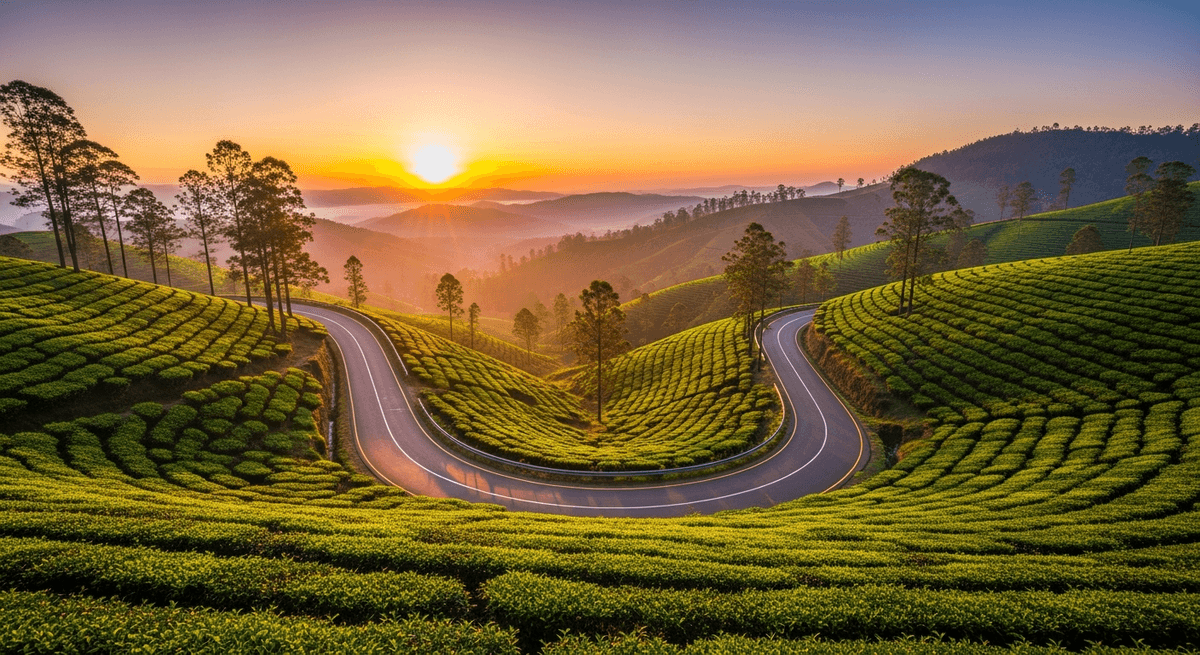
The 145 kilometer ascent from Alleppey to Munnar transforms the landscape with the drama of a theatrical scene change, climbing through the Cardamom Hills to reach Munnar's tea estate plateau at 1,600 meters above sea level. This four hour drive navigates hairpin turns that would challenge a mountain goat's sense of balance, while revealing panoramic views that justify every white knuckle moment. The route passes through climate zones like chapters in a geography textbook, ascending from coastal humidity to hill station coolness with the precision of a well calibrated thermometer.
Munnar itself sits cradled in a valley surrounded by 30,000 hectares of tea estates, primarily operated by the Tata Group with the efficiency of a Swiss timepiece and the productivity that transformed colonial infrastructure into modern commercial success. The tea gardens roll across hillsides like green velvet draped over furniture by a decorator with impeccable taste and unlimited fabric. The estate bungalows, remnants of British colonial administration, punctuate the landscape with their red tile roofs and wide verandahs, weathered into that particular patina of tropical dignity that only decades of monsoons can achieve.
The Kolukkumalai tea estate, perched at 2,100 meters as the world's highest tea plantation, offers factory tours that transform one's relationship with the morning cup permanently. The tea picked at dawn receives processing by machinery that has been maintained with the devotion typically reserved for family heirlooms, while tastings reveal flavor profiles that make supermarket tea seem like a distant, less fortunate relative. The estate's sunrise views encompass the Western Ghats in their full majesty, stretching toward Tamil Nadu with the grandeur of landscape that inspired colonial administrators to write home about "God's Own Country."
The town's colonial architecture includes the Christ Church, constructed in 1910 with stained glass windows that filter tropical sunlight into rainbow patterns across wooden pews, and the Munnar Tea Museum, which chronicles the beverage's journey from Chinese import to regional cornerstone. Local restaurants serve traditional Kerala cuisine alongside British influenced dishes that reflect the hill station's mixed heritage, while the cooler climate makes Munnar one of the few places in Kerala where a light jacket feels appropriate rather than masochistic.
Thekkady: Wildlife and Spice Gardens
The 80 kilometer drive from Munnar to Thekkady descends through spice gardens that perfume the air with cardamom, pepper, and cinnamon, creating an aromatic journey that would make a perfumer weep with professional envy. Thekkady serves as the gateway to Periyar National Park, where the Periyar Tiger Reserve has protected 925 square kilometers of Western Ghats wilderness since 1934 with the dedication of a particularly vigilant gamekeeper.
The boat safari across Periyar Lake unfolds at dawn with the quiet drama of a nature documentary, as elephants, bison, and spotted deer congregate along the shoreline to drink from waters that reflect the surrounding hills like a mirror polished by particularly meticulous servants. The 5:30 AM departure time, while requiring the sort of early rising that challenges even the most disciplined traveler, coincides with peak wildlife activity when animals venture to the water's edge before the day's heat encourages retreat to shadier quarters.
The nearby spice plantations offer guided tours that reveal the cultivation secrets of cardamom, vanilla, and black pepper, while cooking demonstrations transform these aromatic treasures into traditional Kerala dishes that assault the taste buds in the most delightful manner. The Periyar Tiger Reserve, despite its name, offers better odds of spotting elephants than tigers, though the occasional leopard appearance provides the sort of wildlife encounter that converts casual travelers into passionate conservationists.
Accommodation ranges from eco lodges that blend into the forest canopy to luxury resorts that provide wildlife viewing from air conditioned comfort, catering to travelers whose enthusiasm for nature varies in direct proportion to their tolerance for mosquitoes and basic plumbing. The Spice Village resort offers tree house accommodation that satisfies childhood fantasies while providing modern amenities, creating the perfect compromise between adventure and comfort.
Practical Planning: The Art of Kerala Navigation
Planning a Kerala road trip requires the sort of attention to detail typically reserved for orchestrating family reunions or international diplomatic summits. The October through March period provides optimal weather conditions, when post monsoon landscapes display their full verdant glory without subjecting travelers to the sort of humidity that transforms simple walks into endurance tests. The monsoon season from June to September creates spectacularly green scenery while rendering many attractions temporarily inaccessible, rather like beautiful but temperamental guests who require careful scheduling.
Budget considerations vary dramatically based on one's tolerance for basic accommodation versus luxury indulgence. Conservative travelers can navigate Kerala comfortably on 3,000 to 5,000 rupees daily, staying in clean guesthouses, eating at local restaurants, and using public transportation for shorter distances. Those preferring their travel served with generous helpings of comfort might invest 10,000 to 15,000 rupees daily in luxury houseboats, heritage hotels, and private transportation that eliminates the adventure of navigating local bus schedules.
Packing for Kerala requires strategic thinking about climate diversity and cultural sensitivity. Lightweight, breathable fabrics prove essential for coastal humidity, while Munnar's elevation demands light jackets for evening comfort. Modest clothing covering shoulders and knees shows respect for local customs and temple visit requirements. Comfortable walking shoes with good grip navigate everything from fishing net viewing areas to tea estate trails, while a light rain jacket provides monsoon protection without occupying excessive luggage space.
Transportation options include renting a car with driver, which eliminates navigation stress while providing local insights, or self driving for those comfortable with Indian traffic patterns that follow their own unique logic. The driver option typically costs 2,000 to 3,500 rupees daily including fuel, while providing the invaluable service of someone familiar with local roads, customs, and the location of clean restrooms. Self driving requires an international driving permit and the sort of patience typically developed through years of meditation practice.
Advance booking proves essential for popular attractions and accommodation, particularly during peak season when houseboat availability disappears faster than free samples at a food festival. Periyar boat safari tickets, Munnar tea estate tours, and better category houseboats require reservation 48 to 72 hours ahead, while luxury accommodation may demand even longer planning horizons.
Kerala's road trip rewards careful orchestration of its three distinct landscapes with experiences that improve in memory like fine wine in a properly maintained cellar. The journey from Kochi's colonial charm through Alleppey's liquid highways to Munnar's tea scented heights provides the sort of travel story that transforms casual acquaintances into captive audiences at dinner parties. For those seeking to explore other spectacular drives across India, consider the challenging Manali to Leh route through the Himalayas, or the desert palaces of Rajasthan. If monsoon drives along the western coast appeal, the Mumbai to Goa route offers its own coastal charms. Plan this trip on GPSSquad, where our AI handles the complex logistics while you focus on the considerably more pleasant task of anticipating Kerala's delights.