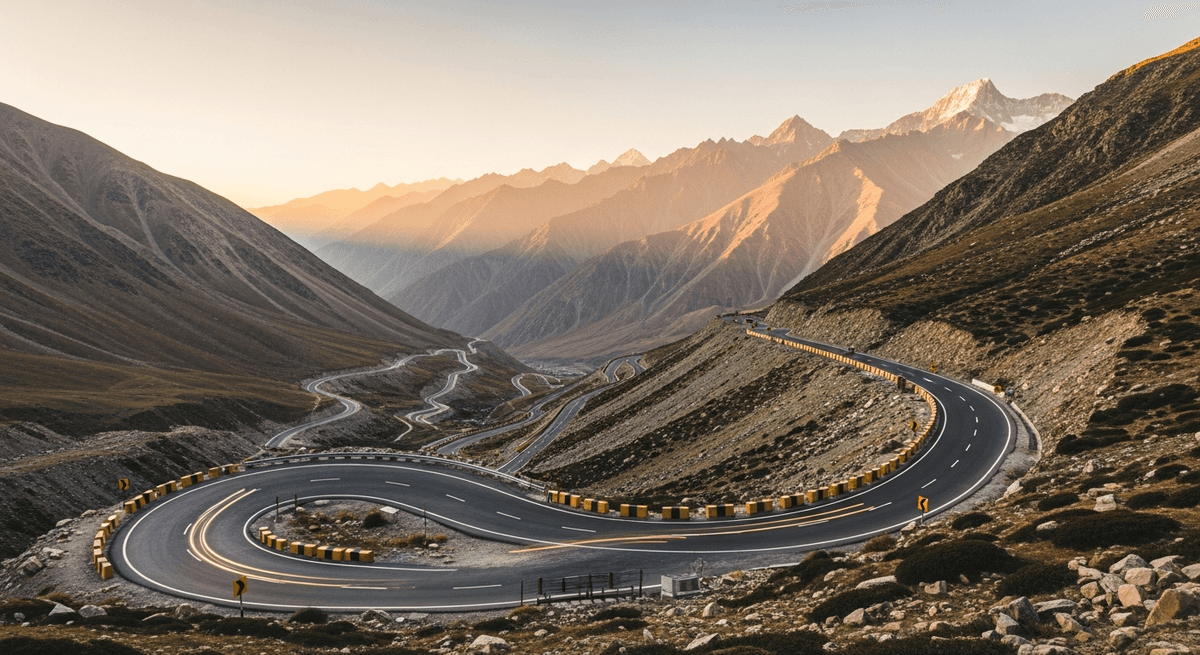

There exists, in the cartography of transformative journeys, a road trip that occupies the same relationship to ordinary travel as a polar expedition does to a weekend camping trip. The Spiti Valley road trip, threading through the Himalayas at altitudes that make breathing an active verb rather than a passive function, delivers the sort of experience that leaves one's passport stamped but one's worldview fundamentally recalibrated. Like Bertie Wooster attempting to navigate Aunt Agatha's disapproval without Jeeves, this journey strips away the comfortable certainties of lower altitude existence and reveals what remains when convenience falls away.
This cold desert perched at 3,800 to 4,500 metres in Himachal Pradesh, a mere 90 kilometres from the Tibetan border, remains accessible by motorised transport for roughly five months annually and by nothing more reliable than prayer and yak for the remaining seven. The road trip through Spiti Valley represents the Himalayas at their most uncompromising: a landscape that tolerates visitors but makes no concessions to their comfort, where the nearest fuel station might be 200 kilometres away and the nearest hospital considerably farther than that. It is, one might say, rather like attempting to navigate high society without proper breeding: possible with sufficient preparation, but likely to expose one's weaknesses with uncomfortable clarity.
The Route: Two Paths Through the Roof of the World
Spiti Valley graciously offers travellers two approaches, both requiring the sort of commitment typically reserved for marriage proposals or challenging one's club's wine steward. The Manali route via Rohtang Pass and the mighty Kunzum La stretches approximately 200 kilometres but climbs to 4,590 metres, spending considerable time at altitudes where oxygen becomes a premium commodity. The alternative Shimla approach through Kinnaur Valley covers 460 kilometres at more civilised elevations, following the Sutlej River through landscapes of apple orchards and river gorges before ascending to Spiti's rarified realm.
Most sensible travellers enter from Manali and exit via Shimla, a routing that provides gentler altitude acclimatisation on the return journey. The drive time varies from six to ten hours depending on road conditions, which can range from merely challenging to genuinely character building. The best season runs from June through October, though September offers the clearest skies and the sort of post monsoon clarity that makes photographers weep with joy.
Kaza: The Administrative Heart of Remoteness
Kaza, serving as Spiti Valley's headquarters at 3,800 metres, functions as the region's closest approximation to metropolitan convenience, which is rather like describing a country estate's butler as cosmopolitan simply because he has travelled to London twice. The town provides essential services including the valley's sole fuel station, basic medical facilities, and accommodation ranging from government guesthouses to homestays run by families who have been hosting travellers since the valley grudgingly acknowledged tourism as a viable economic activity.
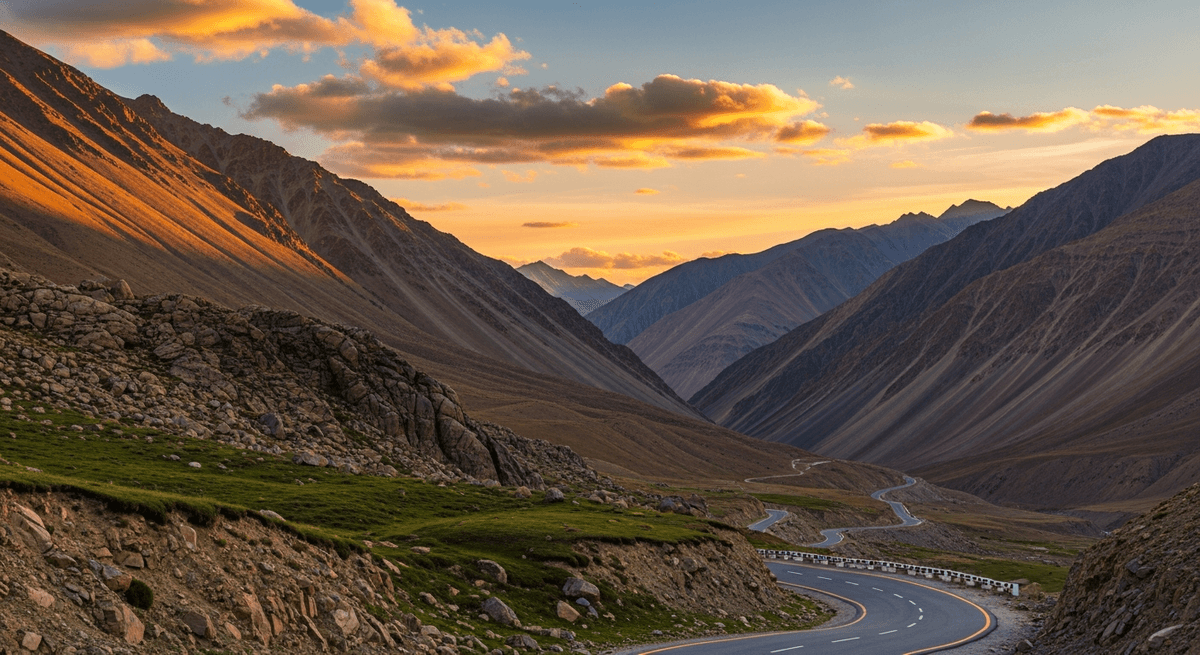
The drive into Kaza reveals Spiti's geological drama: layers of sedimentary rock folded and twisted into formations that suggest the Himalayas assembled themselves with considerable enthusiasm but limited concern for architectural symmetry. Local restaurants serve Tibetan influenced cuisine, with momos and thukpa providing the sort of warming sustenance that high altitude metabolism demands. The market area, bustling by Spiti standards, offers last chances to acquire supplies before venturing into the valley's more remote reaches. Banking facilities exist but function with the reliability of British summer weather, making cash preparation essential.
Key Monastery: A Thousand Years Above the Clouds
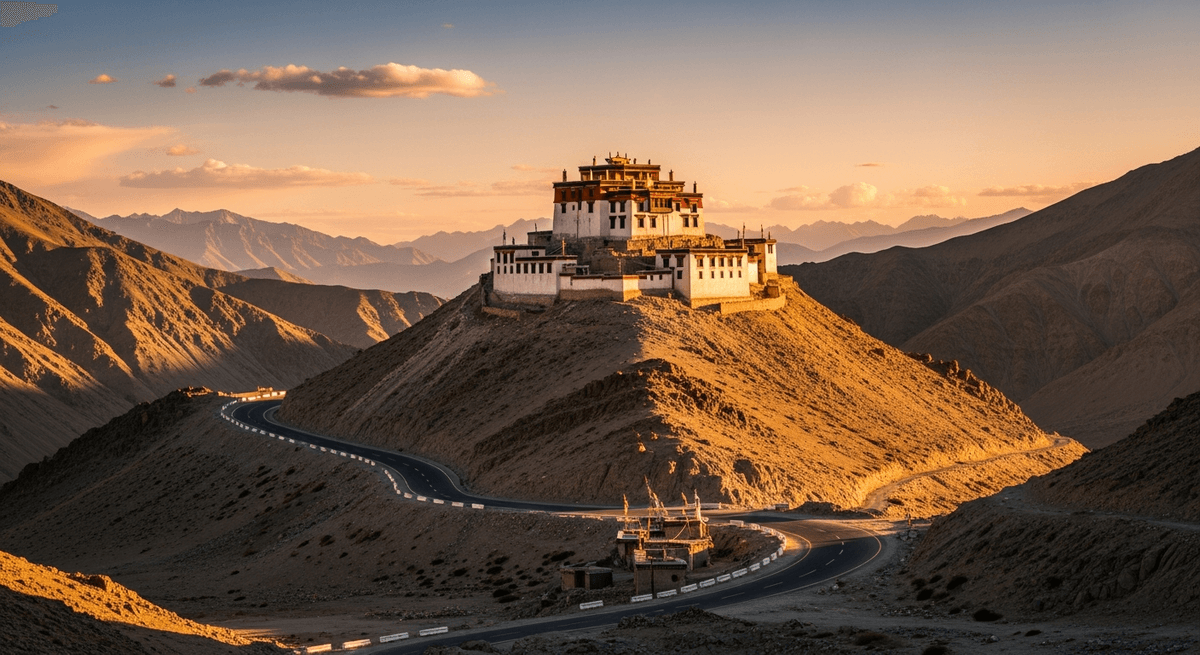
Key Monastery, perched at 4,166 metres on a hilltop above the Spiti River, represents Buddhist continuity with the sort of persistence that makes Methuselah appear briefly employed. This thousand year old gompa has survived Mughal raids, Dogra invasions, multiple earthquakes, and the general inconveniences of existing at an altitude where most sensible vegetation gives up entirely. Currently housing approximately 300 monks who maintain practices with the dedication of a gentleman's gentleman maintaining a morning routine, Key Monastery offers visitors the rare experience of witnessing faith operating at its most elemental level.
The approach road to Key Monastery switchbacks up the hillside with the directness of a debt collector, showing little regard for gradient or the comfort of passengers whose stomachs might prefer a more diplomatic approach to altitude changes. The monastery itself, white washed against the impossibly blue high altitude sky, provides the defining photograph of any Spiti Valley road trip. Inside, ancient murals and Buddhist artifacts create an atmosphere of contemplative serenity that contrasts remarkably with the dramatic effort required to reach them. The monks, accustomed to visitors gasping for breath, offer butter tea with the sort of kindness typically reserved for relatives recovering from unfortunate financial decisions.
Kibber: The World's Highest Boasting Rights
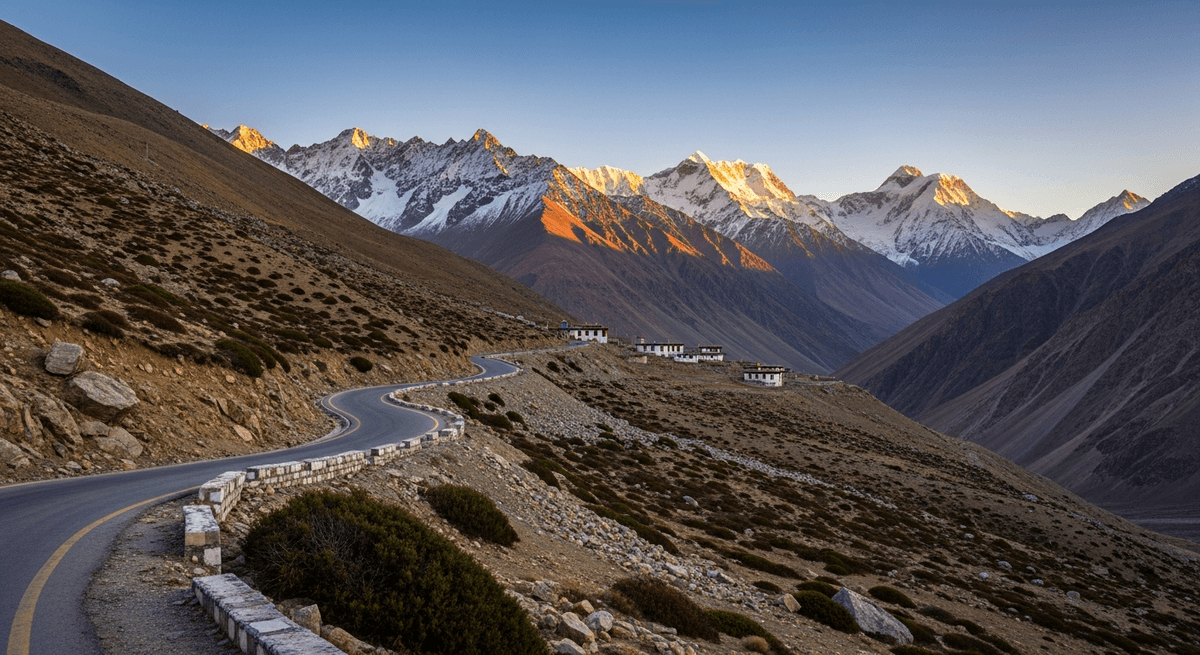
Kibber village, positioned at 4,205 metres, claims the distinction of being the world's highest permanently inhabited settlement connected by motorable road, a title contested with the sort of passionate intensity normally reserved for cricket matches between neighbouring counties. The village itself, with its whitewashed houses decorated with prayer flags that flutter like excited handkerchiefs in the thin air, preserves authentic high Himalayan culture through the natural conservation method of being genuinely inconvenient to reach.
The residents of Kibber practice high altitude agriculture with techniques developed over centuries of convincing barley and peas to grow where most plants would consider the conditions suitable only for philosophical contemplation. Homestays operated by local families provide accommodation that combines traditional architecture with modern necessities like solar powered electricity and composting toilets that function at temperatures that would defeat conventional plumbing. The village serves as an excellent base for wildlife spotting, including the elusive snow leopard, which maintains privacy standards that would impress the most exclusive London club.
Plan this route with GPSSquad
AI powered itineraries, expense splitting, and group coordination in one app.
Start Planning FreeLangza and Hikkim: Fossils and Postal Services at Altitude
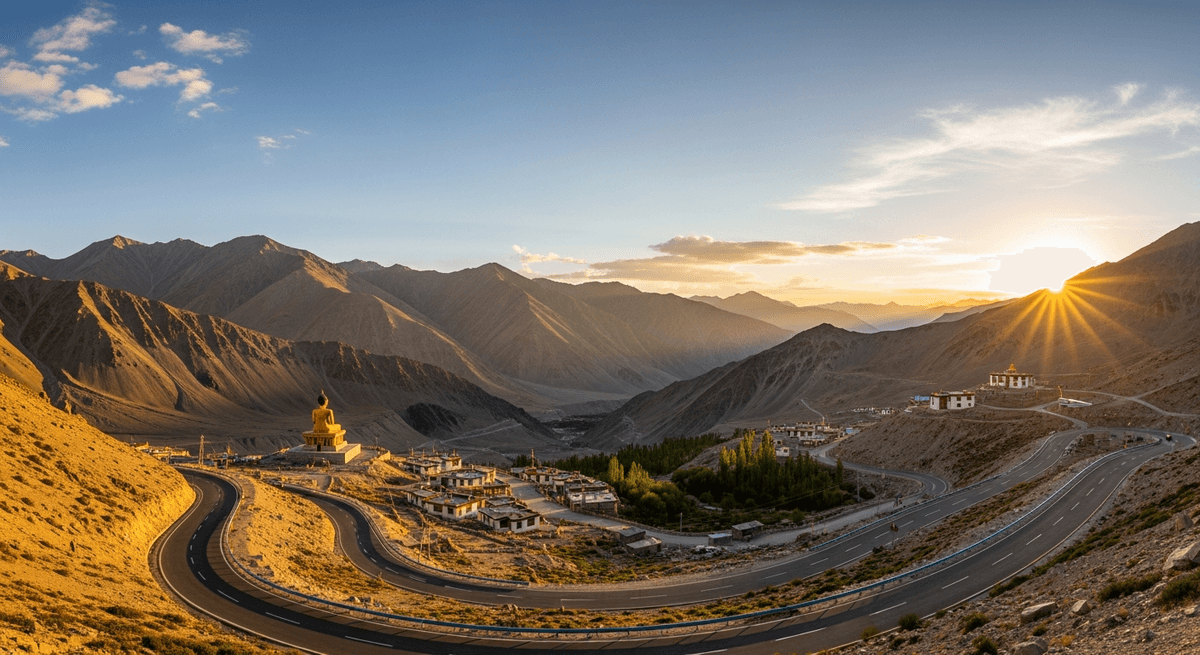
Langza village, at 4,400 metres, offers fossil hunting opportunities with the enthusiasm of a Victorian naturalist discovering new species. The surrounding hills contain marine fossils from when this region rested beneath the Tethys Sea, providing tangible evidence that these mountains have experienced more dramatic career changes than a politician during election season. The village Buddha statue, positioned to oversee the valley with the benevolent authority of a well placed butler, creates one of Spiti's most photographed scenes against the backdrop of Chau Chau Kang Nilda peak.
Hikkim, also at 4,400 metres, operates the world's highest post office, staffed by postal workers who demonstrate the sort of dedication to service that makes one proud of human achievement. Travellers invariably post cards from this establishment, partly for the novelty but mostly to provide concrete evidence that they successfully reached a place that requires considerable effort to access. The village also offers some of Spiti's finest homestay accommodation, run by families who have perfected the art of hospitality at altitudes where breathing requires conscious effort and every comfort becomes a small miracle of human ingenuity.
Dark Skies and Astronomical Revelations
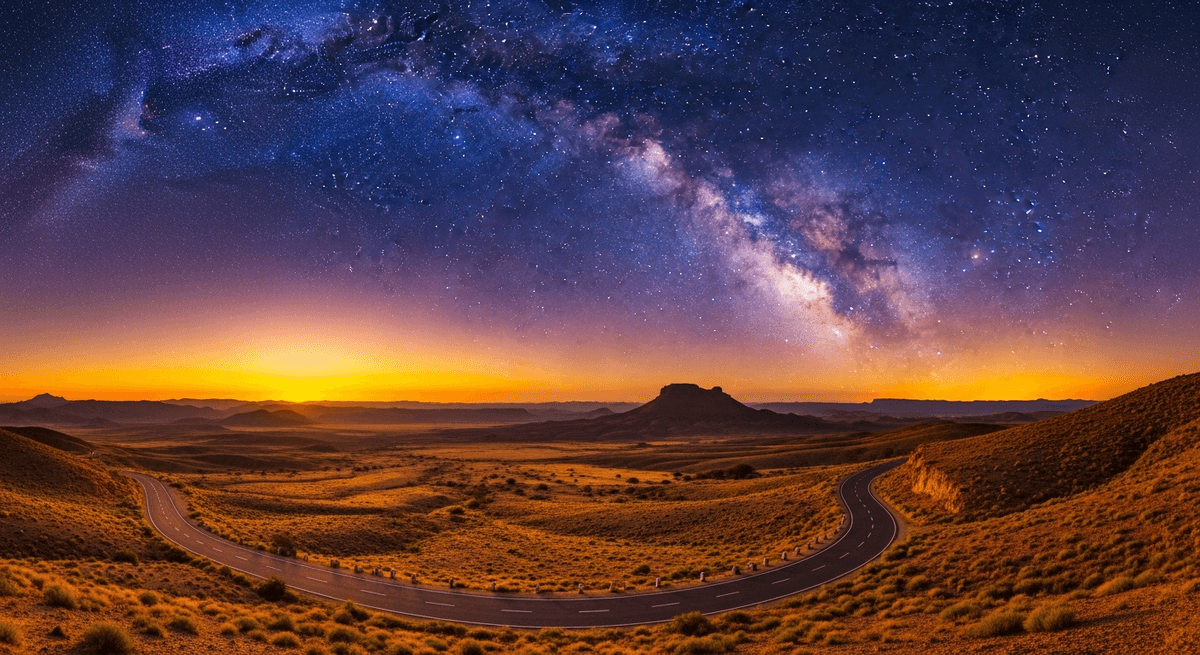
Spiti Valley provides some of Asia's finest dark sky conditions, combining no significant light pollution within 200 kilometres, altitude above atmospheric haze, and the exceptional clarity of high Himalayan desert air. The Milky Way, observed from Langza or Hikkim on a moonless night, appears as a distinct celestial highway with the sort of clarity that requires no optical enhancement and leaves no ambiguity about why ancient civilizations developed astronomy as a serious pursuit.
Local families operating homestays have recognised the astronomical appeal and provide roof access with the sort of timing precision that would impress Greenwich Observatory. The experience of witnessing the universe's full glory while wrapped in yak wool blankets at 4,400 metres creates memories with the persistence of well aged wine and considerably more impact on one's philosophical outlook. Photographers arrive with equipment that costs more than small automobiles, but the views reward even simple cameras operated by travellers whose technical expertise extends primarily to pointing and hoping.
Planning Your High Altitude Adventure
Successful Spiti Valley road trips require planning with the thoroughness typically reserved for polar expeditions or presenting oneself at court. The best visiting period runs from July through September, when road conditions achieve their annual peak of merely challenging rather than genuinely hazardous. Vehicle selection proves crucial: high ground clearance functions as a basic requirement, four wheel drive as strong recommendation, and a reliable SUV as the sensible choice for navigating the Kunzum La pass.
Altitude preparation deserves serious attention, as Spiti's elevations can produce symptoms ranging from mild headaches to more serious concerns that require immediate descent. Gradual acclimatisation, proper hydration, and recognition of warning signs prevent minor inconveniences from becoming major medical situations. Cash preparation proves essential, as banking facilities operate with limited hours and unreliable connectivity. Fuel planning requires carrying reserve supplies, as Kaza's single fuel station represents the valley's only reliable refuelling opportunity.
Accommodation booking during peak season prevents the sort of disappointment that accompanies discovering that every decent room has been claimed by travellers who planned with greater foresight. Packing should emphasise warm clothing for dramatic temperature variations, sun protection for intense high altitude exposure, and basic medications for common altitude related discomforts. The journey rewards preparation with experiences that justify the considerable effort required to access them, much like those who venture through Rajasthan discover their own desert wonders or travellers exploring Kerala find tropical paradise in India's south.
The Spiti Valley road trip transforms travellers with the same thoroughness that altitude transforms breathing patterns: gradually, inevitably, and with lasting effect. This journey through India's cold desert highlands provides the sort of adventure that justifies every challenge encountered along the way. Plan this trip on GPSSquad.