
Ontario is a province of such geographical ambition that attempting to see it all in one road trip is rather like trying to read War and Peace during a tea break: technically possible if one skims enthusiastically, but missing rather the point. The sensible Ontario road trip, therefore, is a strategic circuit from Toronto that swings south to Niagara Falls, north through the legendary Muskoka cottage country, east along the Canadian Shield, and back again, a loop of roughly 1,200 kilometres that manages to contain thundering waterfalls, mirror smooth lakes, granite wilderness, and at least three moments when you'll consider abandoning your current life to become a full time cottager.
This particular route unfolds like a well planned dinner party: each destination building upon the last, the contrasts carefully orchestrated, the timing calibrated to avoid the tourist hordes and catch the light at its most flattering angles. One begins with Toronto's urban sophistication, descends to Niagara's raw natural drama, ascends to Muskoka's cottage country bliss, and completes the circle through the Shield's ancient granite storytelling, arriving back at the starting point with the satisfied air of one who has seen something properly magnificent and plans to return with more time and better shoes.
The Route: A Strategic Loop Through Ontario's Greatest Hits
The complete circuit covers approximately 1,200 kilometres and requires a minimum of five days to execute with any dignity, though a week allows for the sort of unhurried exploration that transforms a road trip from mere transportation into something approaching enlightenment. The best season runs from late May through early October, when the lakes are warm enough for swimming and the autumn colours provide a backdrop so spectacular it seems almost immodestly showy.
Beginning in Toronto, the route follows the Queen Elizabeth Way southwest to Niagara Falls (130 kilometres, 90 minutes), then returns north through Hamilton and up Highway 400 to Muskoka (320 kilometres from Niagara, 3.5 hours). From Muskoka, Highway 11 carries you east to the Kawartha Lakes and the Canadian Shield country around Peterborough (180 kilometres, 2 hours), before Highway 7 completes the circuit back to Toronto via Kingston and the Thousand Islands region (450 kilometres, 4.5 hours of driving time, though this stretch demands frequent stops for gawking).
Toronto: The Civilized Starting Point
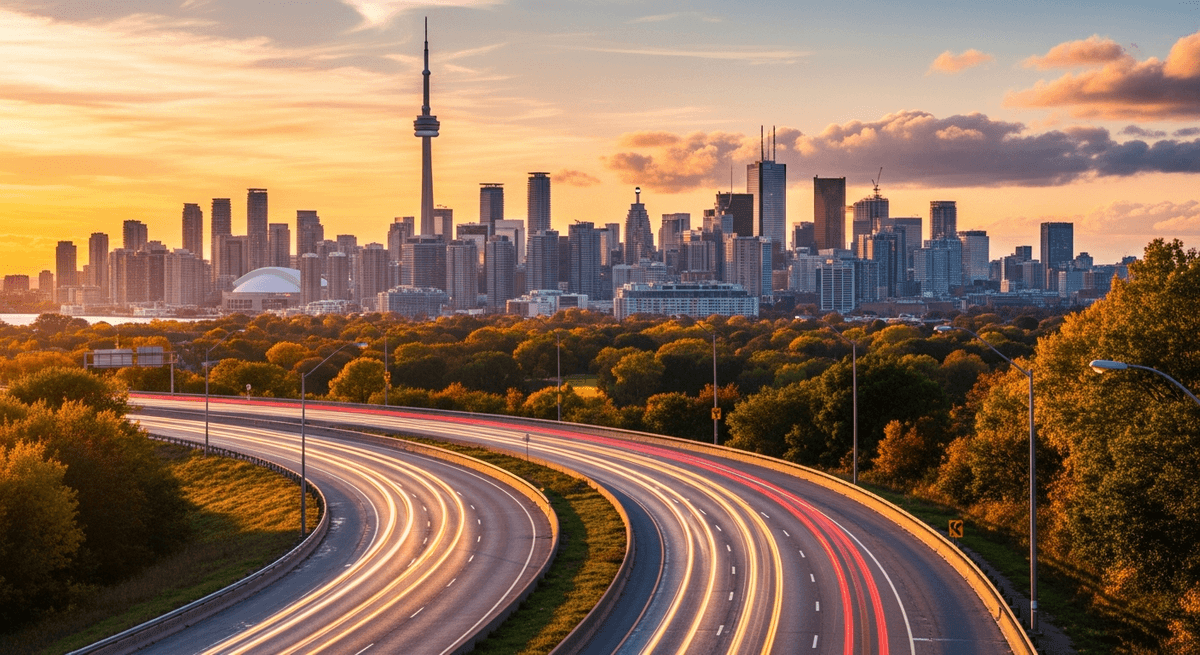
Toronto begins this ontario road trip with the particular confidence of a city that has resolved to be genuinely enjoyable rather than merely important. The CN Tower, which held the title of world's tallest freestanding structure for thirty four years and maintains a dignified pride about this achievement, provides both literal and metaphorical elevation. From the observation deck, Ontario spreads out like a vast green promise, Lake Ontario stretching to the horizon with the satisfied shimmer of water that knows it's being admired.
The St. Lawrence Market operates with the cheerful efficiency of an institution that has been perfecting its craft since 1803. The peameal bacon sandwich served here has achieved legendary status among those who take their cured pork seriously, and rightly so. It arrives on a fresh bun like a small, smoky miracle, the kind of sandwich that makes you understand why people write love letters to cities. The Distillery District provides the perfect walking off-lunch venue, its cobblestone streets and Victorian architecture creating an atmosphere as carefully preserved as a favourite recipe.
For dinner before departure, consider Canoe Restaurant on the 54th floor of the TD Dominion Centre, where the Canadian cuisine is as elevated as the location, and the view across the city at sunset provides the sort of dramatic backdrop that makes one feel temporarily sophisticated. The drive to Niagara begins with Toronto's lights receding in the rearview mirror like scattered diamonds, Highway 401 and then the QEW carrying you southwest through darkness toward the distant roar of falling water.
Niagara Falls: Where Geology Shows Off
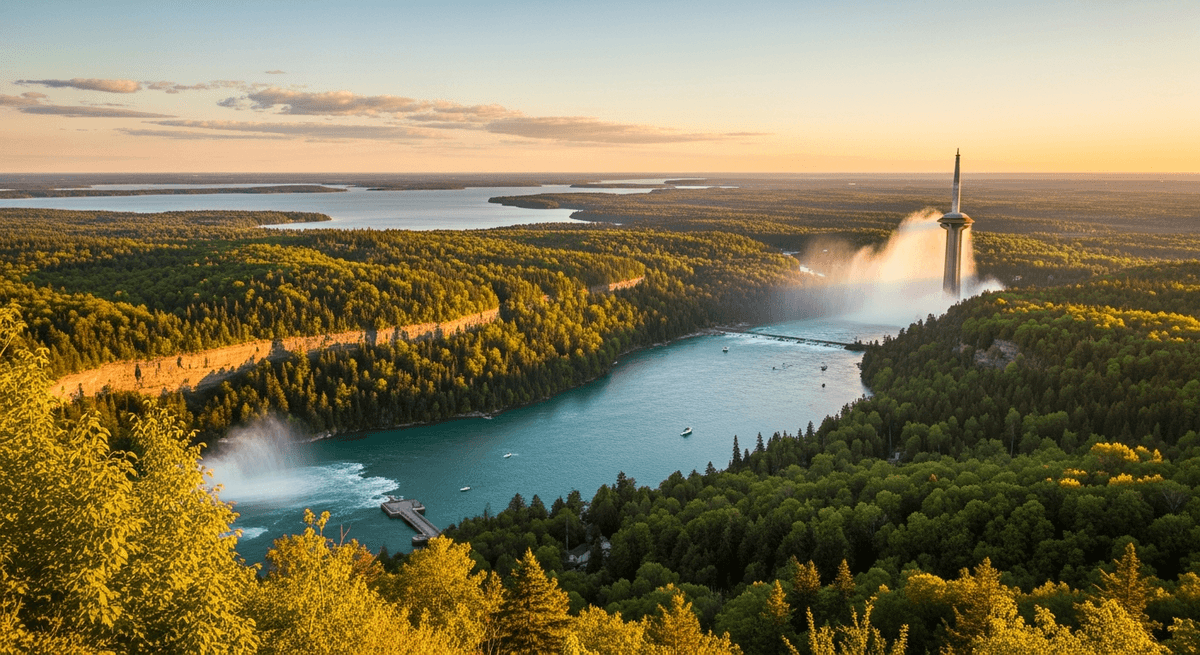
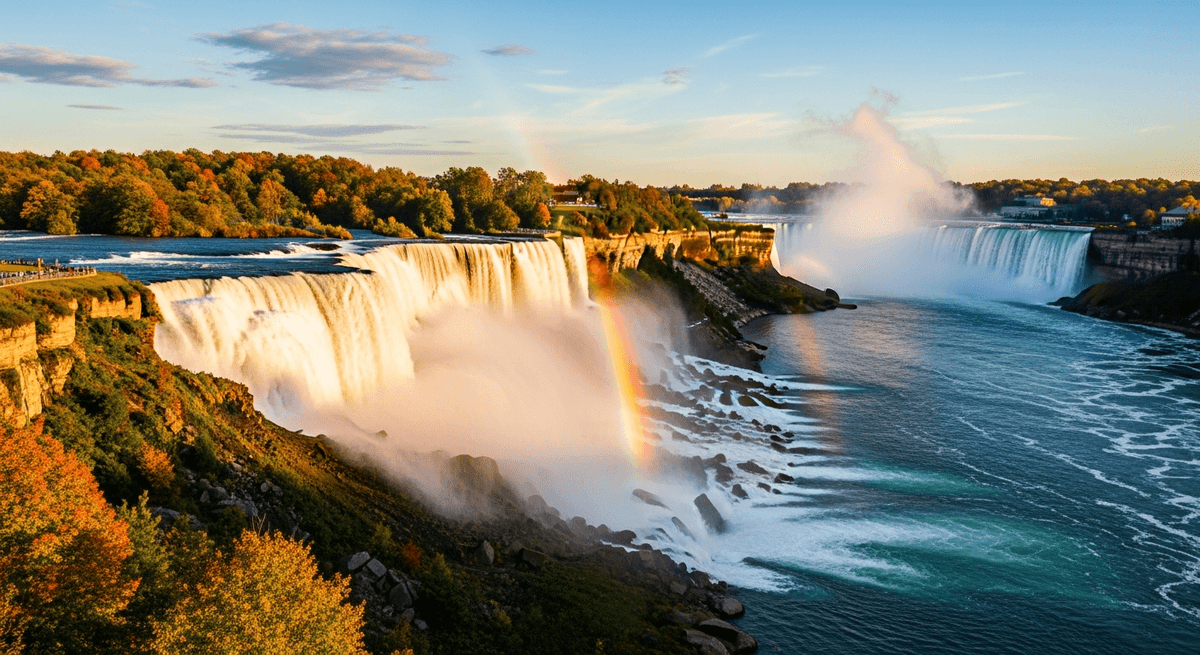
Niagara Falls manages the considerable feat of exceeding expectations that have been inflated by decades of postcards, Hollywood films, and barrel related publicity stunts. The phenomenon announces itself long before it becomes visible: first the mist rising like steam from the earth, then the roar that grows from a whisper to a conversation to a symphony of falling water that drowns out thought itself. When the falls finally appear, they do so with the casual magnificence of a natural wonder that has been perfecting its performance for approximately 12,000 years and sees no need for modesty.
The volume of water plunging over the Horseshoe Falls alone, roughly 2,800 cubic metres per second, creates a spectacle that photographs simply cannot capture. The mist rises nearly 200 metres into the air, catching sunlight and creating rainbows with the reliability of a natural light show that never sells out. The Maid of the Mist boat tour, operating since 1846, carries visitors to the base of the falls with the democratic enthusiasm of an attraction that understands its material is genuinely inexhaustible.
For the optimal Niagara experience, arrive early morning when the tourist infrastructure has not yet fully activated. The falls at dawn possess a solitude that transforms them from attraction to meditation. Journey Behind the Falls provides the theatrical experience of standing directly behind the cascade, where the water thunders past like liquid thunder and the world reduces to elemental basics: water, rock, mist, and the humbling realization of one's place in the cosmic scheme.
Lunch at the Rainbow Room Restaurant offers fine dining with a view that requires no embellishment. The wine list features local Niagara region selections that pair excellently with the knowledge that you're drinking Ontario wine while Ontario's most famous natural wonder provides the entertainment. The town itself, with its abundance of themed attractions and miniature golf installations, represents tourist enthusiasm frozen in approximately 1975, but the falls themselves transcend any supporting infrastructure with the serene confidence of geological perfection.
Muskoka: The Heart of Cottage Country Dreams
The drive north from Niagara to Muskoka follows a route that transforms gradually from urban to pastoral to something approaching the mythical. Highway 400 north from Toronto carries you through landscape that shifts like chapters in a beloved novel: first the suburbs thinning to farmland, then the farmland giving way to forest, and finally the forest opening to reveal lakes that shimmer between granite outcrops like scattered mirrors reflecting heaven.
Muskoka contains over 1,600 lakes scattered across the Canadian Shield like a deity's jewelry box accidentally overturned, each one reflecting pine trees and granite cliffs with the sort of natural perfection that causes grown adults to speak in hushed tones about "life priorities" and "what really matters." The region has been Ontario's playground since the Victorian era, when wealthy families discovered that nothing quite compares to dawn mist rising from still water and the sound of loons calling across distances that make city noise seem like a half remembered dream.
Gravenhurst, the self proclaimed "Gateway to Muskoka," welcomes visitors with the cheerful efficiency of a town that understands its role in the cottage country ecosystem. The RMS Segwun, North America's oldest operating steamship, offers lake cruises that reveal why the Muskoka Lakes became legendary among those who could afford to build summer palaces along their shores. The town's main street provides essential supplies and the sort of ice cream that tastes better when consumed while wearing slightly damp swimwear and boat shoes.
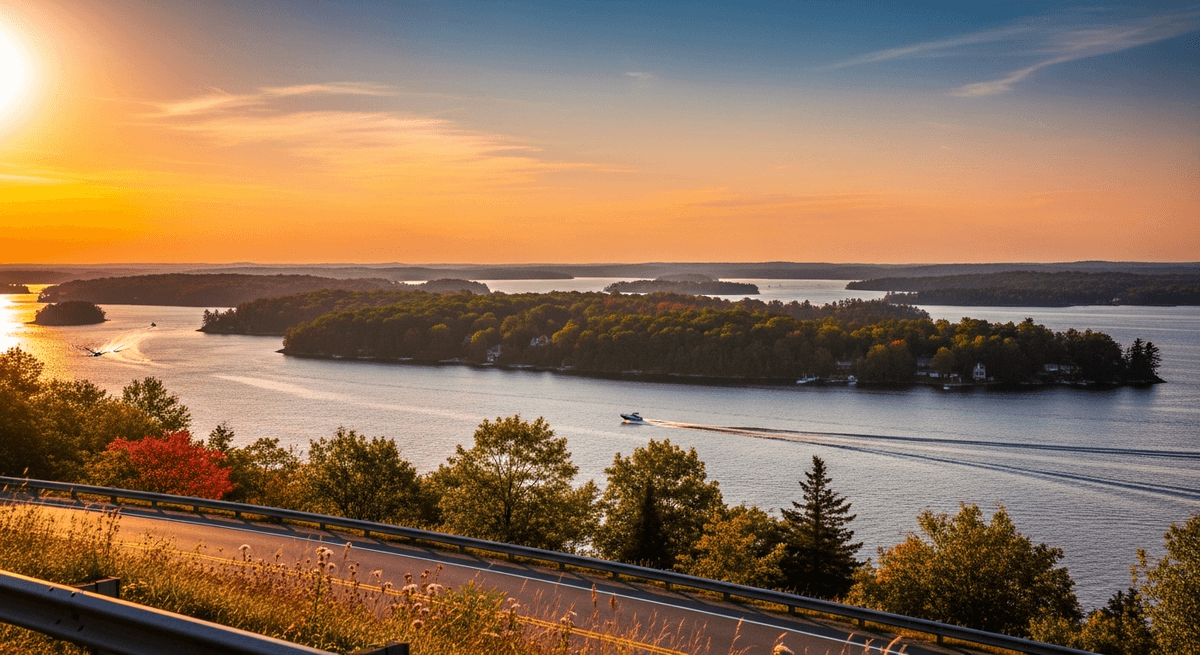
Lake Muskoka itself stretches across 120 square kilometres of water so clear you can count rocks twenty feet below the surface. The lake's irregular coastline creates countless secluded bays and inlets, each one seemingly designed for canoe exploration or the sort of philosophical dock sitting that leads to important life decisions. Rent a canoe from Muskoka Canoe Company and paddle the shoreline at golden hour, when the water turns to liquid gold and the loon calls echo across distances that seem to contain all of Canada's vastness in a single perfect moment.
Plan this route with GPSSquad
AI powered itineraries, expense splitting, and group coordination in one app.
Start Planning FreeThe Canadian Shield: Ancient Stories in Pink Granite
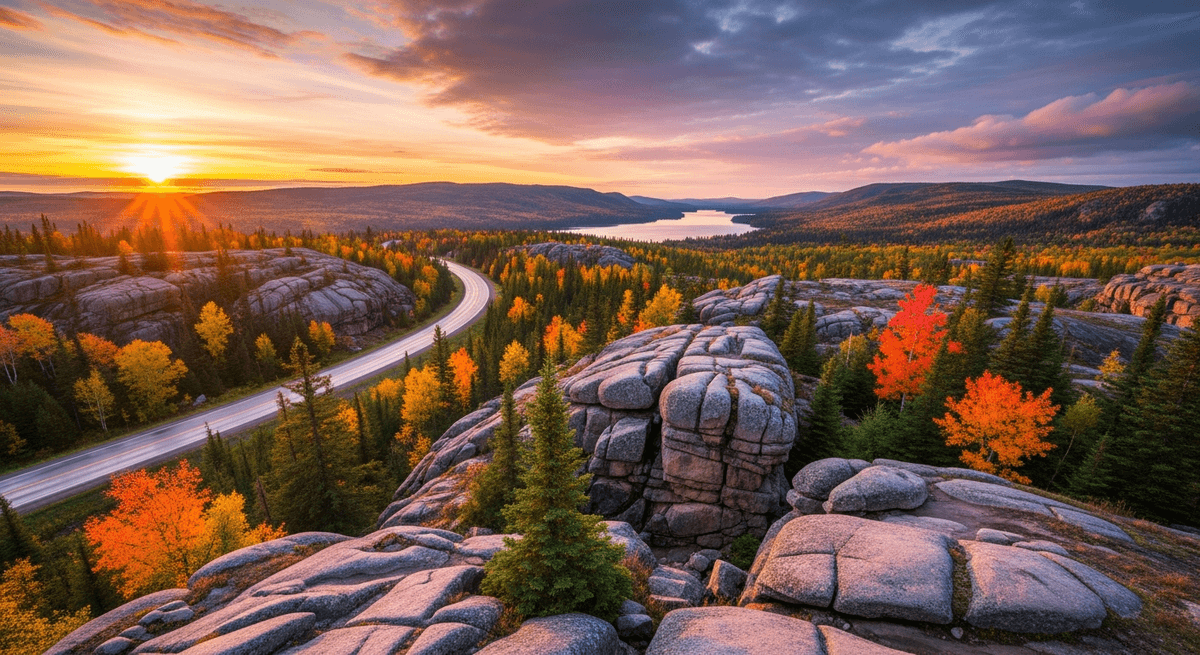
The eastern portion of this ontario road trip follows the Canadian Shield through landscape that tells stories in billion year-old granite, pink rock formations that rise from the earth like sleeping giants dreaming of ice ages. This is the Ontario that Group of Seven painters immortalized: windswept pines clinging to rocky outcrops, lakes that mirror endless sky, and horizons that stretch toward some promised land just beyond the next curve in the highway.
The Kawartha Lakes region, accessible via Highway 35 north from Peterborough, contains thirty six interconnected lakes that form part of the Trent Severn Waterway, a 386 kilometre water highway that boats have been navigating since 1833. The route passes through cottage country that operates at a gentler pace than Muskoka, where fishing takes precedence over water skiing and evening campfires burn with the quiet satisfaction of families who have been returning to the same cottage for generations.
Peterborough itself deserves a full afternoon, particularly for the world's highest hydraulic lift lock, where boats are raised and lowered in chambers that operate with the precision of Swiss clockwork and the drama of Victorian engineering ambition. The lock raises vessels 19.8 metres in a process that seems to defy several laws of physics and draws crowds who gather to witness what amounts to boats performing levitation with the assistance of water and gravity.
The Canadian Canoe Museum houses the world's largest collection of canoes and kayaks, over 600 watercraft that tell the story of transportation across a country where water highways preceded roads by several centuries. The museum's centerpiece, a birchbark canoe built by the Algonquin people, represents craftsmanship so elegant it makes modern boat building seem crude by comparison. Plan at least two hours here; the stories these vessels tell span thousands of years and dozens of cultures, each one adapted perfectly to its particular waters and purposes.
Kingston and the Thousand Islands: The Grand Finale
Kingston appears at the eastern end of Lake Ontario like the final chapter of a particularly satisfying novel, its limestone architecture and waterfront position creating the sort of picturesque conclusion that travel writers dream of stumbling upon. Fort Henry, perched on a promontory above the St. Lawrence River, was built in 1832 to defend against American invasion and now defends against nothing more threatening than tour groups, though its sunset fort ceremonies continue to fire cannons with the ceremonial enthusiasm of soldiers who take their historical reenactment seriously.
The Thousand Islands region stretches across the St. Lawrence like nature's final flourish before the river surrenders to the Atlantic. The official count stands at 1,864 islands, each one meeting the charmingly specific definition of possessing at least one tree and maintaining one square foot of land above water level at all times. Some islands support entire estates; others accommodate nothing more ambitious than a single pine tree and a cormorant who seems pleased with the arrangement.
A boat tour from Kingston reveals islands that range from the grandiose (Boldt Castle on Heart Island, built by hotel magnate George Boldt for his wife but never completed after her death, standing now as a romantic ruin that would make Gothic novelists weep with envy) to the charmingly minimal (unnamed rocky outcrops where families have built cottages that seem to grow directly from the granite like architectural wildflowers). The water here shifts from grey to green to blue depending on depth, weather, and the observer's state of mind, creating a constantly changing canvas that has inspired artists and cottage buyers in equal measure.
The return drive to Toronto follows Highway 401 through landscape that gradually transitions from ancient granite and endless water back to the organized efficiency of Southern Ontario's agricultural heartland. The distance covers 260 kilometres in approximately three hours, but the psychological journey spans geological epochs and the sort of natural grandeur that makes city traffic seem like a temporary inconvenience rather than a permanent condition.
Planning Your Ontario Road Trip: Practical Wisdom
The optimal timing for this ontario road trip extends from late May through early October, when the lakes achieve swimmable temperatures and the weather cooperates with outdoor dining and sunset photography. July and August bring peak cottage season crowds but also the warmest water and longest daylight hours. September offers the advantage of autumn colours that transform the Shield country into a landscape so spectacular it seems almost ostentatiously beautiful, while May and early June provide wildflower displays and the sort of fresh green that makes everything look newly created.
Budget considerations vary dramatically depending on accommodation choices and dining ambitions. Muskoka resort rates can approach mortgage payment levels during peak season, but cottage rentals shared among friends create more reasonable mathematics. Provincial park campgrounds offer the economy option and often provide the best lake access, though booking well in advance becomes essential. Toronto and Kingston offer the full range from hostels to five star luxury, while smaller towns provide charming bed and-breakfast options that often include breakfast conversations with locals who possess decades of insider knowledge about the best swimming spots and hiking trails.
Packing for Ontario's variable climate requires the diplomatic skills of someone preparing for both summer vacation and potential weather emergencies. Layers prove essential: temperatures can swing twenty degrees between morning mist and afternoon sunshine, while evening campfires demand sweaters that seemed absurdly warm at noon. Rain gear earns its space in the luggage; Ontario weather possesses a sense of drama that includes sudden thunderstorms that transform calm lakes into temporary seas. Swimming gear, hiking boots, and comfortable driving shoes all prove their worth, as does a good camera and extra memory cards for the inevitable photography frenzy that strikes when granite cliffs meet mirror calm water under perfect Canadian light.
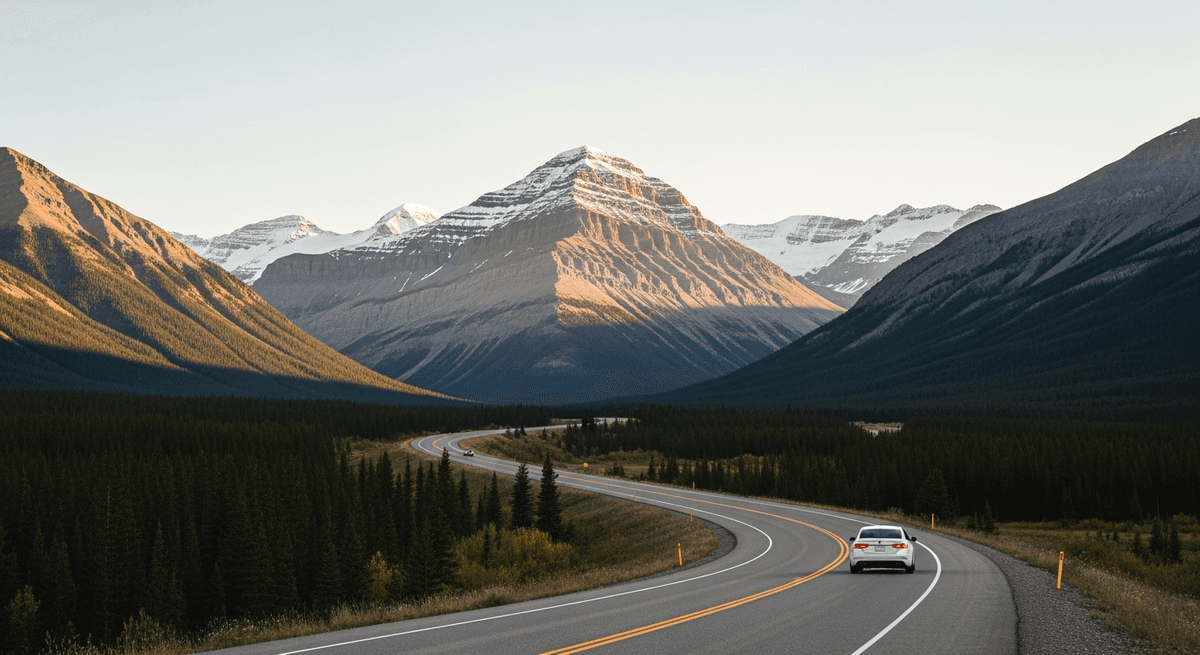
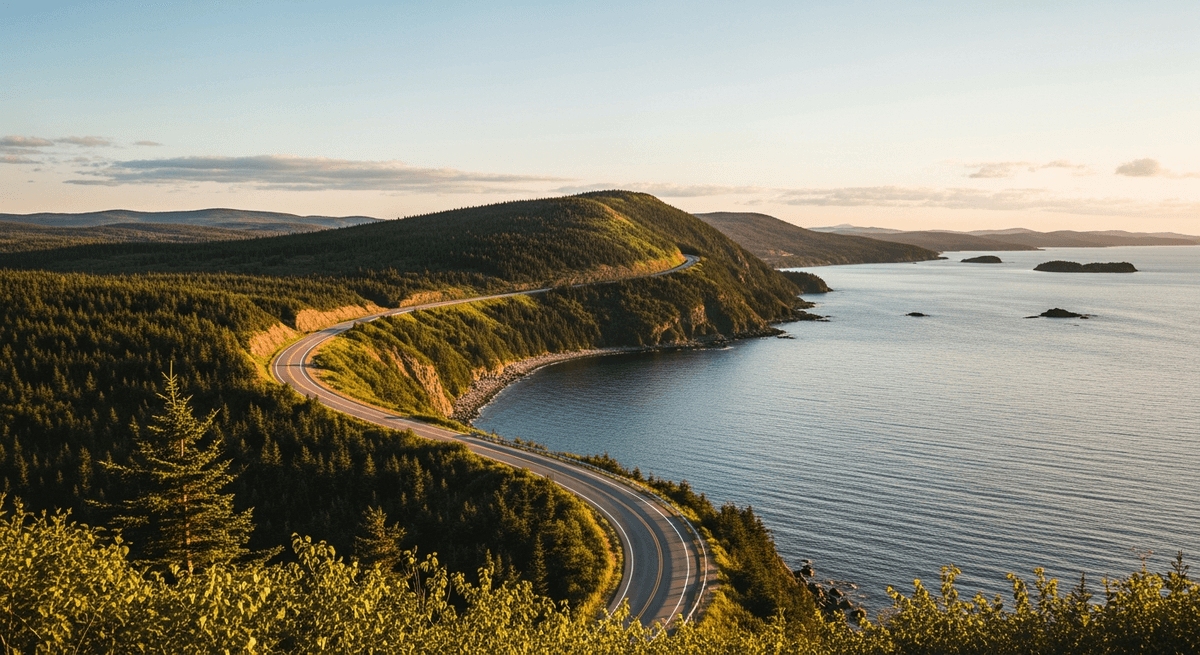
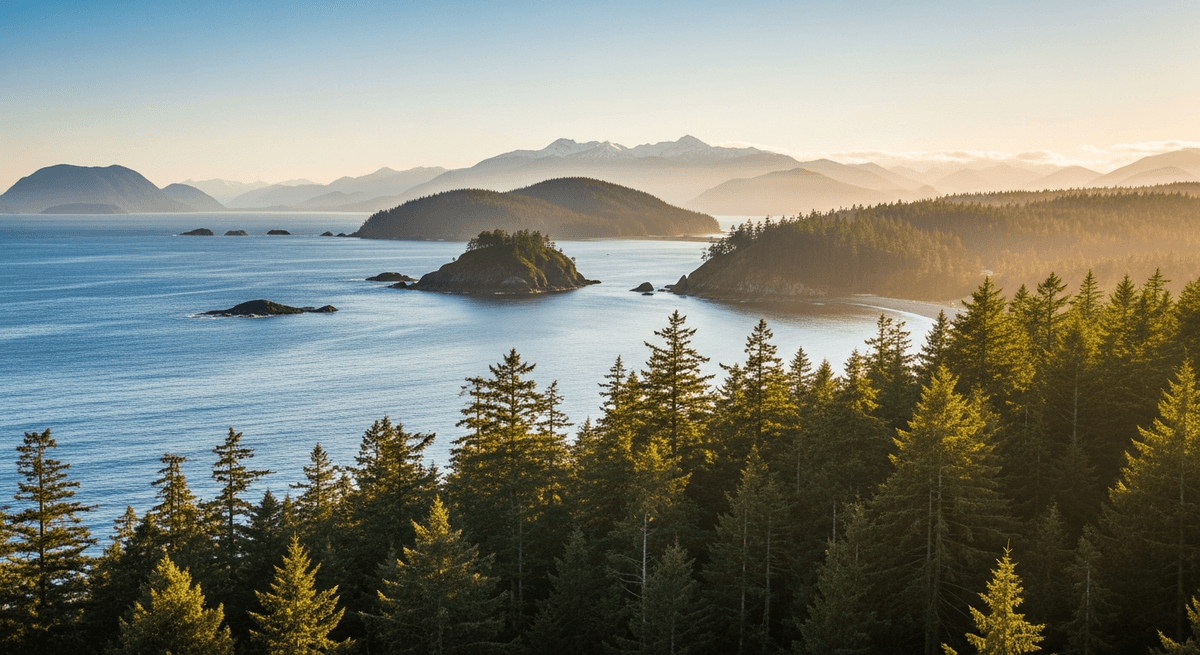
GPSSquad's ontario road trip planner coordinates this entire circuit with the precision timing that transforms good intentions into actual experiences. The platform handles the logistics while you focus on the important business of selecting which lakeside patio deserves your sunset cocktail attention and whether that loon call really does sound like wilderness laughing at civilization's pretensions. For those inspired to explore more of Canada's legendary drives, the Icefields Parkway offers a western counterpart through the Canadian Rockies, while Quebec's Old World charm awaits just across the provincial border. The maritime provinces beckoning with the Cabot Trail, and Vancouver Island's wild coast completes Canada's spectacular road trip quartet. Plan this trip on GPSSquad.