
Queensland is the state that Australia arranged for people who find the temperate south insufficiently dramatic, like a theatrical producer who decided that Sydney's harbour views and Melbourne's cultural pretensions simply weren't putting enough strain on the superlative supply. The climate ranges from subtropical to properly tropical, the coral reef stretches 2,300 kilometres along the coast like nature's own red carpet, and the rainforest in the far north has been operating continuously for 135 million years, which makes it older than the Amazon and considerably more experienced at the business of being magnificent.
The Brisbane to Cape Tribulation road trip covers approximately 1,700 kilometres of this theatrical excess, threading through the Gold Coast's unabashed resort strip, the hinterland's emerald mountains, the Whitsunday gateway at Airlie Beach, and Cairns before pushing north into the Daintree, where the oldest rainforest on Earth meets the Great Barrier Reef in what can only be described as nature showing off. Each section operates at a different altitude of ambition and delivers on it with the reliability of a Swiss timepiece, if Swiss timepieces were made of coral, crocodiles, and coastline that makes one question why anyone lives anywhere else.
Route Overview
This Queensland coastal odyssey spans 1,700 kilometres over 10 to 14 days, though one could easily stretch it to a month if properly motivated by the reef diving opportunities and the general difficulty of leaving places where the morning light falls through rainforest canopy onto beaches that look like someone's overly optimistic screensaver. The route follows the Pacific Highway north through Brisbane, the Gold Coast, and Sunshine Coast, then transitions to the Bruce Highway for the long haul through Rockhampton, Mackay, Airlie Beach, and Townsville before reaching Cairns. From there, the Captain Cook Highway leads north to Port Douglas and the Daintree River crossing.
The best season runs from May through September, when the weather operates in that sweet spot between tropical warmth and tropical intensity, and the jellyfish that make northern Queensland swimming inadvisable have departed for their annual sabbatical elsewhere. Budget wise, allow $150 to $200 per day for two people including accommodation, meals, and the various reef tours and national park fees that Queensland collects with the cheerful efficiency of a state that knows it's worth it.
Brisbane: The Surprisingly Sophisticated Start
Brisbane has spent the better part of two decades being systematically underestimated by the other Australian capitals, which watched it develop into something genuinely worth visiting with the careful attention of institutions that have badly misjudged a situation. South Bank Parklands stretches along the river like a 17 hectare confession that a city can indeed be both functional and beautiful, while the Gallery of Modern Art houses collections that Sydney regards with the sort of envious respect usually reserved for younger siblings who turn out unexpectedly well.
The Brisbane River actually gets used rather than merely flowing past like scenery, with CityCats ferrying passengers between suburbs that have developed distinct personalities without losing their connection to the whole. For breakfast, Lefty's Old Time Music Hall in Carindale serves portions that could fuel a small road trip by themselves, while the West End markets on Saturday morning offer the sort of local produce that makes one question why anyone eats vegetables that have traveled more than 50 kilometres to reach the plate. The Story Bridge climb provides views across the city and out toward Moreton Bay, where the road trip's coastal theme announces itself with the subtle authority of an ocean that knows it's about to become rather important to the proceedings.
Gold Coast: The Honest Resort
The Gold Coast, 75 kilometres south of Brisbane, makes no apology for its commercial purpose and pursues it with the conviction of a resort that has discovered the secret to keeping 70 kilometres of surf beach consistently entertaining. Surfers Paradise rises from the sand in towers that catch the morning light like a collection of architectural exclamation marks, while the surf breaks from Coolangatta to The Spit deliver waves that range from beginner friendly to genuinely challenging with the democratic generosity of an ocean that takes all comers.
The SkyPoint observation deck atop the Q1 building provides views that stretch from Byron Bay to Brisbane on clear days, though the more pressing entertainment involves watching the endless parade of surfers, swimmers, and sun seekers who treat the beach like a 70 kilometre living room. For dinner, Rick Shores in Burleigh Heads serves seafood with views of the break where Mick Fanning learned to surf, while Elk Espresso does breakfast with the sort of precision that makes 6 AM beach walks seem entirely reasonable. The Currumbin Wildlife Sanctuary offers encounters with koalas and kangaroos that manage to be both touristy and genuinely moving, which is rather the Gold Coast's specialty: delivering exactly what was promised while somehow exceeding expectations.
Noosa Heads: The Boutique Interlude
Noosa operates as the Sunshine Coast's answer to the question of what happens when a beach town develops excellent taste and the budget to pursue it, like a small coastal settlement that went to finishing school and came back with very particular opinions about architecture and coffee. Hastings Street runs parallel to Main Beach with the sort of restrained elegance that suggests money without shouting about it, while Noosa National Park wraps around the headland like nature's own private garden, complete with walking tracks that offer glimpses of dolphins, turtles, and the occasional whale during migration season.
The coastal walk from Laguna Lookout to Hell's Gates provides the sort of scenery that makes one understand why people move to Queensland and never quite manage to leave, while the Tea Tree Bay and Granite Bay sections offer swimming in waters that are both beautiful and, refreshingly for Queensland, unlikely to contain anything with more teeth than a fish should reasonably require. Berardo's serves Italian food with views across the Noosa River, and the Sunday farmers market at the Lions Park showcases local produce with the pride of a region that takes its mangoes, macadamias, and organic greens rather seriously. The drive north from Noosa begins Queensland's transition from sophisticated coastal to genuinely tropical, with sugar cane fields and palm trees announcing that the road trip has officially entered different latitudes.
Airlie Beach: Gateway to the Whitsundays
Plan this route with GPSSquad
AI powered itineraries, expense splitting, and group coordination in one app.
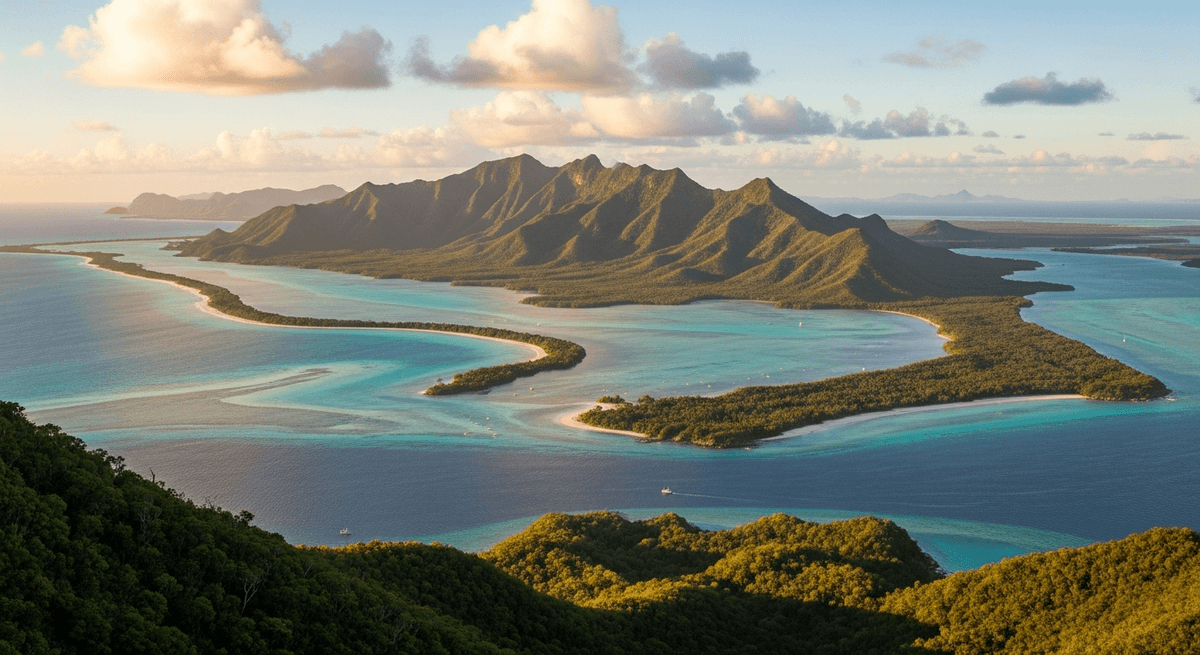
Start Planning FreeAirlie Beach exists primarily to serve as the departure point for Whitsunday Islands adventures, and it performs this function with the cheerful efficiency of a town that has found its purpose and embraced it completely. The marina fills each morning with catamarans, sailing boats, and tour vessels preparing for day trips to Whitehaven Beach, Hamilton Island, and the various reef systems that make the Whitsundays a destination worth planning entire holidays around.
Whitehaven Beach, accessible only by boat or seaplane, stretches for seven kilometres of silica sand so pure it squeaks underfoot and so white it requires sunglasses even on overcast days. The Hill Inlet lookout provides views across the beach and the swirling patterns where tides move sand and water into designs that change with each visit, like nature operating its own art installation. Back in Airlie Beach, Tides Restaurant serves seafood caught that morning with views across the marina, while the Airlie Beach Markets on Saturday morning offer tropical fruit, local honey, and handmade crafts with the relaxed abundance of a region where the weather makes outdoor markets possible year round. The drive north from Airlie Beach enters the true tropics, with humidity that wraps around you like a warm blanket and roadside fruit stands selling mangoes, lychees, and other tropical luxuries at prices that make southern city dwellers question their life choices.
Townsville and Magnetic Island: The Unexpected Gem
Townsville serves as North Queensland's unofficial capital and performs the role with a confidence that comes from being genuinely useful rather than merely decorative, like a regional center that has discovered the secret to being both practical and pleasant. Castle Hill rises 286 metres directly from the city center, providing views across Cleveland Bay to Magnetic Island and serving as a morning walk that locals treat with the casual reverence reserved for natural features that make daily life measurably better.
Magnetic Island, 20 minutes offshore by ferry, operates as Townsville's tropical playground with 23 beaches, abundant wildlife including wild koalas, and accommodation that ranges from backpacker hostels to resort luxury. The Forts Walk provides historical insights into World War II coastal defenses while delivering views across the Coral Sea that make the 90 minute return journey seem entirely reasonable as a morning constitutional. Back in Townsville, A Touch of Salt serves modern Australian cuisine with local seafood and tropical ingredients, while the Strand provides 2.2 kilometres of beach, pools, and parkland that transform what could have been just another regional city into somewhere people actively choose to live rather than merely tolerate for work. The drive north from Townsville enters the final approach to Cairns, with sugar cane fields giving way to rainforest and the humidity increasing to levels that suggest the tropics are no longer approaching but have definitively arrived.
Cairns: Reef Capital and Tropical Hub
Cairns operates as the undisputed headquarters for Great Barrier Reef operations, dispatching dive boats, snorkel tours, and liveaboard vessels to the Outer Reef with the precision of a military operation dedicated to showing people the most beautiful underwater scenery on Earth. The reef itself, 45 minutes offshore by fast catamaran, delivers everything the superlatives promise and carries the additional weight of being something one should see without delay, given the documented effects of warming ocean temperatures on coral systems worldwide.
The Cairns Esplanade has undergone transformation from muddy tidal flat to saltwater swimming lagoon and parkland, creating a waterfront that allows the city to face the sea with confidence rather than turning inland in embarrassment. The Night Markets offer tropical fruit, local crafts, and the sort of casual dining that makes eating outdoors in 30 degree temperatures seem entirely reasonable. For reef access, Pro Dive Cairns and Sunlover Cruises provide day trips to the Outer Reef with snorkeling and diving options for all experience levels, while Cairns Dive Centre offers PADI courses for those who want to explore the reef with the thoroughness that proper diving allows. The Kuranda Scenic Railway winds through rainforest to the mountain village of Kuranda, providing rainforest canopy views and access to markets, wildlife parks, and the sort of tropical mountain scenery that makes the humidity seem like a small price for living in paradise.
The Daintree: Where Road Trips Become Pilgrimage
The Daintree River crossing happens via cable ferry, a modest operation that transports four cars at a time across 200 metres of river where saltwater crocodiles patrol with the unhurried competence of apex predators that have held this territory for 100 million years and see no reason to update their methods. The crossing deposits visitors on the northern bank in the oldest continuously surviving rainforest on Earth, where plants that outlasted the dinosaurs continue their business with the sort of patient authority that makes human timescales seem rather quaint.
Cape Tribulation, 30 kilometres beyond the ferry, marks the only place on Earth where two UNESCO World Heritage areas meet, as the Daintree Rainforest encounters the Great Barrier Reef in a collision of ecological significance that makes the 90 minute drive from Cairns seem like approaching something genuinely sacred. The beach at Cape Trib offers stunning views and inadvisable swimming due to box jellyfish, crocodiles, and the other considerations that make northern Queensland waters beautiful to look at and perilous to enter without proper local knowledge. The Dubuji Boardwalk provides elevated access through rainforest canopy where cassowaries occasionally appear like feathered dinosaurs who have adapted to sharing their territory with tourists, and the Cape Tribulation Beach walk offers sand, sea, and rainforest in combination that exists nowhere else on the planet.
Planning Your Queensland Road Trip
The optimal Queensland road trip timing runs from May through September, when temperatures hover in the comfortable range between tropical warmth and tropical intensity, and the stinger season that makes northern beaches inadvisable has departed for annual migrations elsewhere. Accommodation should be booked well in advance during peak season, particularly in Cairns, Airlie Beach, and anywhere with reef access, as Queensland's reputation has spread to the point where spontaneous travel requires considerable luck or flexible standards.
Budget planning should account for $200 to $250 per day for two people including mid range accommodation, meals at decent restaurants, and the various reef tours, national park entry fees, and ferry crossings that Queensland charges with the confidence of a destination that knows it's worth every dollar. Packing should emphasize sun protection, reef safe sunscreen, light cotton clothing, and rain gear for the tropical downpours that arrive with theatrical suddenness and depart with equal drama. A good camera with underwater capability becomes essential for reef encounters, though the memories tend to lodge so firmly in consciousness that photographic evidence serves mainly to convince others that such places actually exist.
Car rental from Brisbane allows the freedom to stop at roadside fruit stands, detour to local beaches, and adjust timing based on weather and interest rather than tour schedules. The Pacific and Bruce Highways are well maintained and clearly marked, though the distances between fuel stops north of Townsville require attention to range and planning. Travel insurance should include coverage for reef activities, tropical weather delays, and the possibility that Queensland's combination of natural beauty, perfect weather, and relaxed lifestyle might make returning to normal life more difficult than anticipated.
Ready to trade your daily routine for 1,700 kilometres of Australia's most spectacular coastline, where ancient rainforests meet the Great Barrier Reef and every sunrise over the Coral Sea suggests that paradise might not be such an abstract concept after all? Australia offers several world class coastal drives, including the Great Ocean Road in Victoria and Western Australia's coral coast route from Perth to Exmouth. For those drawn to the wild heart of the continent, the Outback crossing provides a completely different perspective on Australian landscapes, while Tasmania offers an island wilderness experience unlike anywhere else on Earth. Plan this trip on GPSSquad.